


Tom’s Last Adventure is a challenging side-scrolling platformer that offers an interesting mix of mechanics wrapped in a charming artistic style. While there are certainly things to appreciate here, I found myself becoming more frustrated than entertained as I continued playing.
Pretty Presentation, Barebones Options
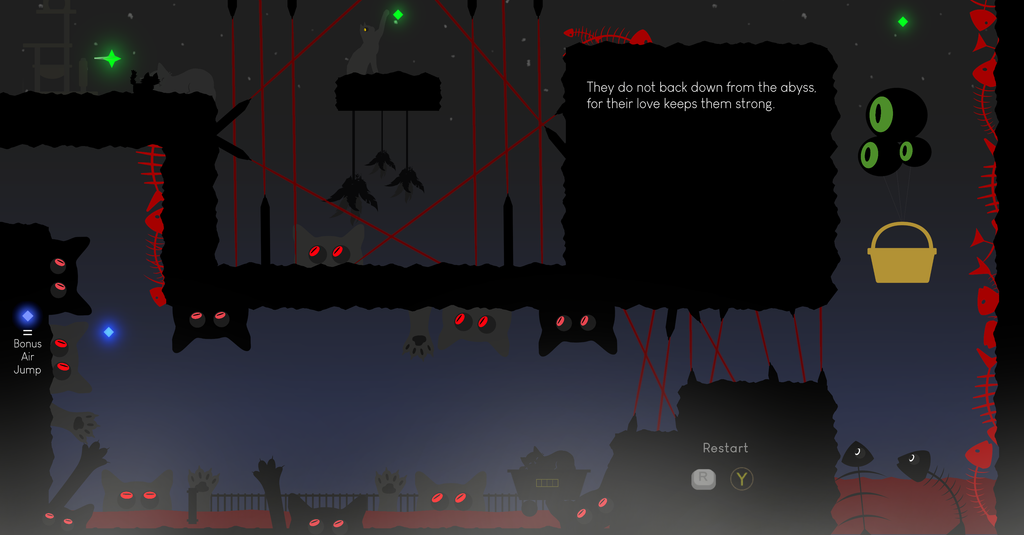
Visually, the game is quite nice. The artistic direction feels appropriate for the themes being explored, and the levels fit naturally within the world the developers have created. Nothing feels particularly out of place, and the music complements the overall atmosphere well. It’s a simple presentation, but one that works for the type of game Tom’s Last Adventure is trying to be.
One thing that immediately stood out to me, however, was the lack of settings. And when I say there’s a lack of settings, I mean there’s practically nothing there. Outside of adjusting the music volume, you don’t have any options to customize your experience. There’s no button remapping, no control adjustments, nothing. You’re expected to play the game exactly as it comes, which is a strange choice for something that relies so heavily on timing and precision.
Colorful Stars, Short Fuses
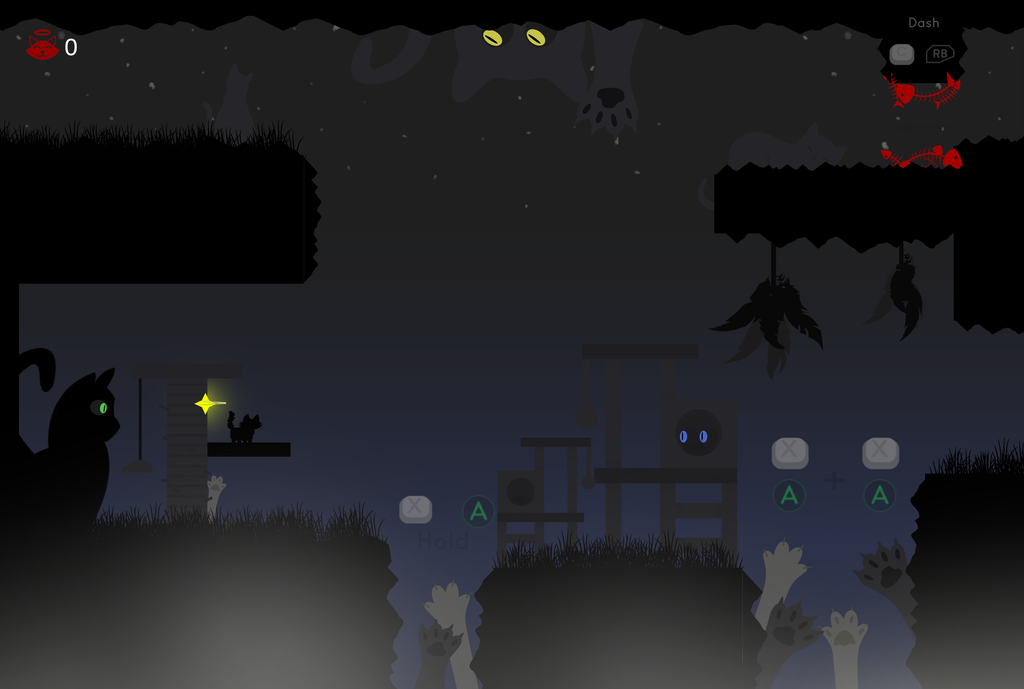
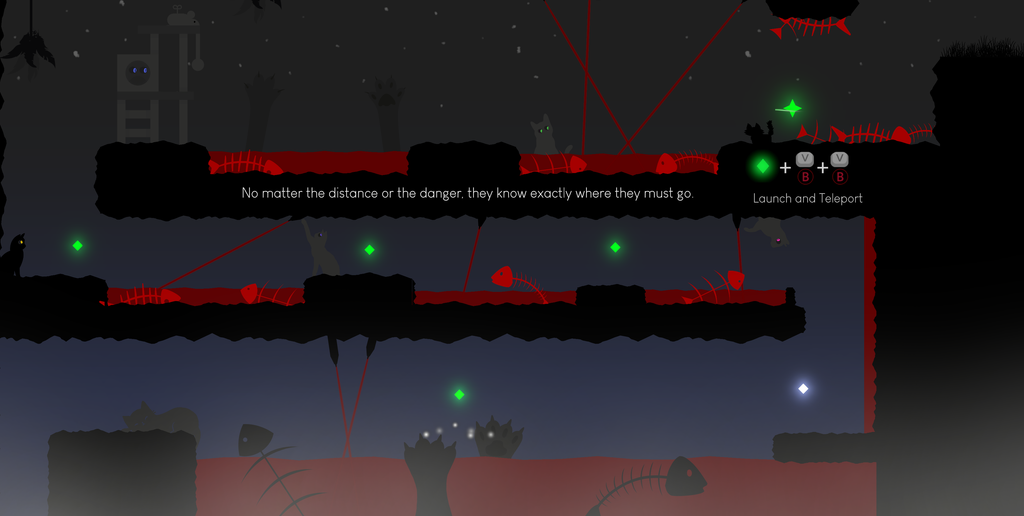
As you make your way through the stages, you’re introduced to different colored stars that offer abilities to help you navigate the obstacles ahead. For example, the green star allows you to teleport, while the white star reveals hidden passageways. I actually like the idea behind these mechanics, and figuring out how to use them can be interesting at first. However, there are only a handful of stars, and that initial excitement begins to wear off pretty quickly.
You also have to be incredibly mindful of when and how you use these abilities. The white star, in particular, became a source of frustration for me. It reveals hidden passageways, but only for a very brief period. Once that light fades, the passageway disappears, and if you happen to still be inside it, you’re dead. I understand that this is part of the challenge, but when you’re already trying to navigate difficult jumps and obstacles, having such a small window to work with can become exhausting.
Difficulty Without the Reward
And that’s where my biggest issue with Tom’s Last Adventure comes in. The game is difficult, but I never felt like that difficulty was particularly rewarding.
Don’t get me wrong, there were moments when I felt genuinely excited about overcoming an obstacle. The first time I finally made it across a difficult jump after failing repeatedly, I was thrilled. There’s something satisfying about finally getting something right after struggling with it for so long. Unfortunately, that feeling doesn’t stick around.
While you do gain access to new stars and stages as you progress, there isn’t much that makes pushing through the frustration feel worthwhile. Eventually, I stopped feeling accomplished when finishing a stage and started feeling relieved that it was finally over. Instead of wondering what exciting challenge was waiting for me next, I was just hoping I’d never have to see the previous one again.
I don’t mind a game being difficult. I understand that some games are designed to test your patience, timing, and ability to learn from your mistakes. However, I also think there needs to be something that encourages you to keep going. Whether that’s the satisfaction of mastering a mechanic, meaningful progression, or simply having fun with the challenge itself, there has to be a reason to want to try again.
Unfortunately, I struggled to find that reason here.
Rage-Quitting on Purpose
I ultimately stopped playing Tom’s Last Adventure before reaching the end because I simply wasn’t enjoying myself anymore. That’s not to say there isn’t an audience for this kind of experience. Players who love particularly punishing platformers may appreciate what the developers are trying to accomplish. For me, though, the frustration actually was so much that I started dying on purpose, in what I would consider a valid crashout.
Tom’s Last Adventure has a charming presentation and some interesting mechanics, but those positives weren’t enough to keep me invested. They weren’t even enough to keep me from being annoyed. There’s satisfaction in overcoming a challenge, but when the best part of finishing a level is knowing you never have to play it again, something gets lost along the way.
Stone Does not recommend it
- 3 hours in
- PC
- Life is a Game Magazine was provided a review copy for the purpose of this review
Leave a Reply