
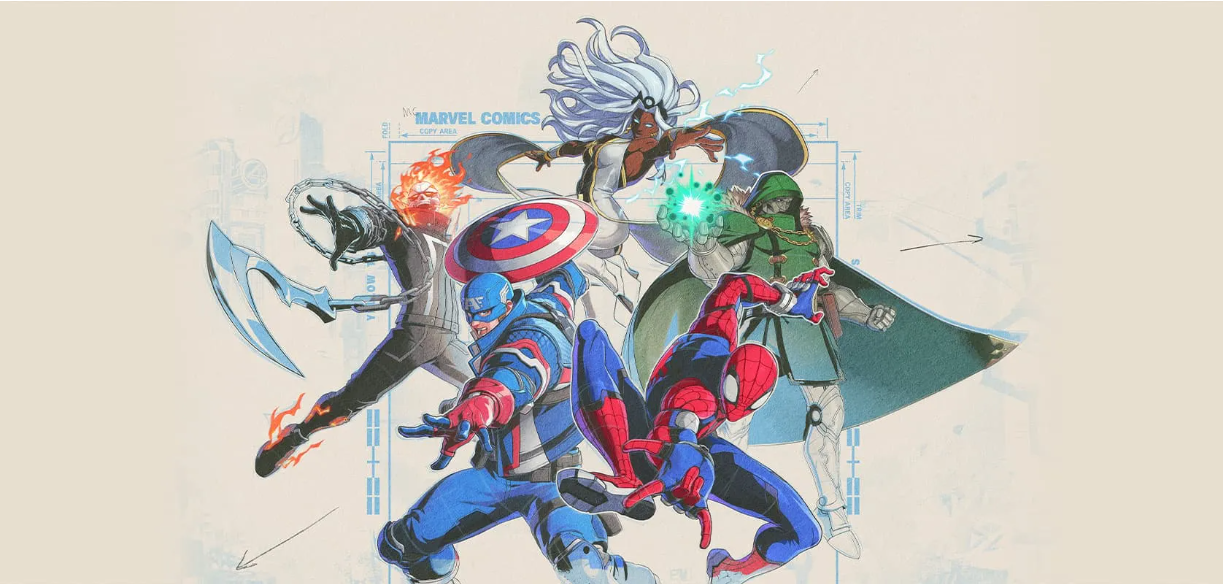

I don’t want to brag, but I used to dominate at X-Men vs. Street Fighter at my local arcade when it first came out. Watching the two most influential licenses in my life collide was basically a dream come true, and I spent countless hours mastering combos and timings for pretty well the entire roster.
Fighting games are purely competitive by nature, and there are levels of elitism that are only attainable by putting in enough sweat and tears. That’s why I couldn’t sensibly play any fighting games against my little sister growing up without it turning into a 60 to nil debacle. Her random flailing was no match for my carefully orchestrated onslaught of fireballs and dragon uppercuts.
Well, Tōkon feels like it was designed with her in mind. It’s still a great fighting game with obvious traces of Marvel Vs. DNA, but some design choices clearly narrow the skill gap enough to make a difference.
True to the Marvel Vs. Spirit
Before I start crashing out on my old man issues with modern fighting games, I want to make it clear that Tōkon is a well-constructed fighting game.
First off, it looks amazing. I love the design of all the character models, and the fighting animations are incredibly fluid. Special abilities are flashy and stay true to the source material, while super moves are more cinematic than any previous Marvel title.
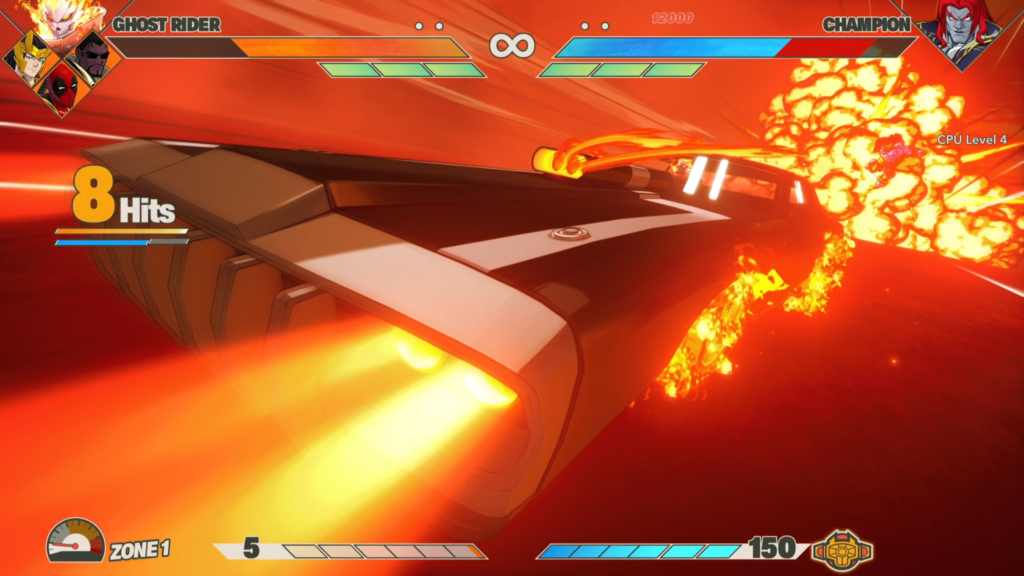
More importantly, Tōkon feels a lot like the Marvel vs. games I remember. The action is fast. You can launch opponents and follow them up to dish out more punishment. Each character has two super moves that consume energy when used. Tagging isn’t new to Marvel Vs. games, and the feature in Tōkon expands on that by letting players chain assists together.
If you ask me, combos are what made Marvel vs. titles stand out. It was always easy to chain attacks and moves together, and although some combinations were more specific than others, dishing out 5- to 8-hit assaults was a regular occurrence. Tōkon leans into that to great effect by making it really easy to turn a successful hit into a hard-hitting combo.
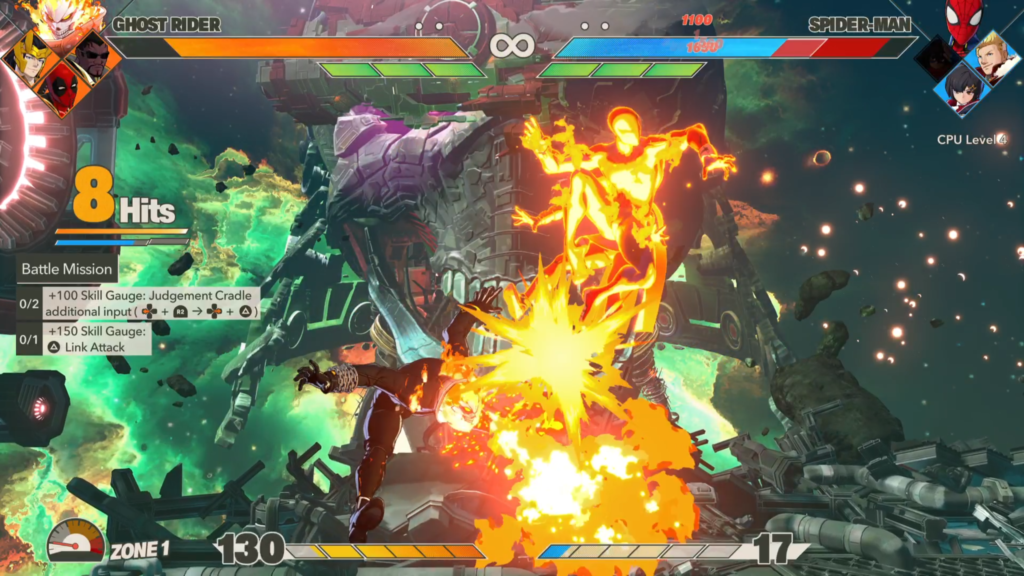
I also enjoyed Arc System Work’s choices of super heroes and villains. The roster is tiny compared to later Marvel fighting games, but it does well at balancing between series veterans like Iron Man, Wolverine, and Hulk with some more obscure picks like, Green Goblin, Magik, and Star Lord. Some, like Carnage and Ms. Marvel, have distinct playstyles. The addition of a unique ability button was also a good move to differentiate each fighter.
So, if Tōkon lives up to its pedigree and is fun to play, then what’s my problem?
Well…
Tōkon Makes Skill Optional
My favorite Street Fighter character was always Zangief. He wasn’t an easy character to master because his signature spinning pile driver required a full circle motion to execute.
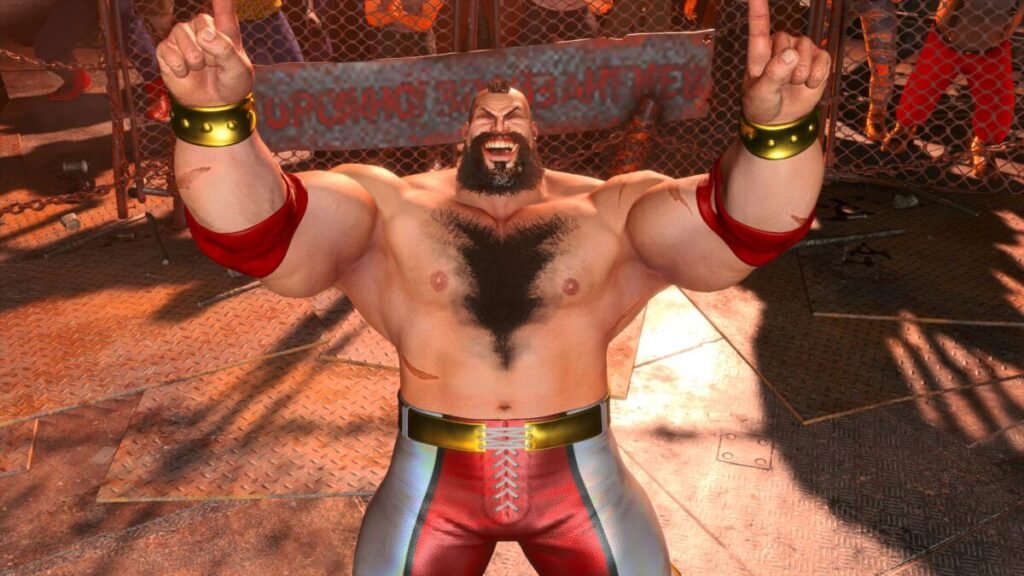
But if Zangief were a Tōkon character, you could pull off this terrifying move by pressing the right trigger. Would more people play him if that were the case? Yes! Would it make mastering Zangief less special? Also yes!
Tōkon lowers the skill barrier significantly by using controls similar to Super Smash Bros. Characters have an ability button, and activating a special move is as simple as pressing it while holding a direction. Super moves aren’t much harder. You activate them by pressing the right button and trigger at the same time.
To make things worse, input patterns are the same for every character. So, pressing forward + the right trigger always does an anti-air move or a grab. Pressing the right trigger with no direction usually fires a projectile attack, and pressing it while holding back does some kind of charge.
Every character also shares the same launch combo of crouching medium + standing strong + crouching strong attacks. Catching an opponent with that opening sequence lines them up for an easy 3- to 5-hit aerial follow-up.
On top of that, mashing the medium or strong attack buttons automatically chains together a 4-hit combo that ends with an unblockable super move. You can absolutely learn much more elaborate 15- to 20-hit combos that require long button sequences and precise timing, but why bother when you can slap the same button for nearly as much damage?
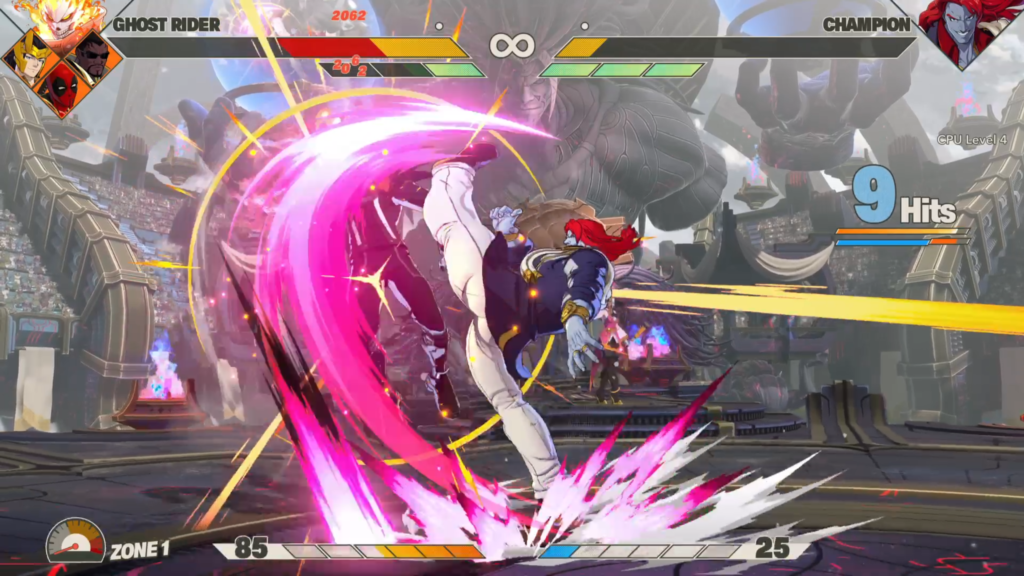
Arc System probably made these choices to reduce the learning curve. Becoming familiar with four different characters is indeed a big ask for a new or casual player. Unfortunately, it also has the side effect making mastery optional.
Four’s a Crowd
That simplified approach carries over to Tōkon’s biggest selling point — the four-character tag system.
You can call one of your three other team members into battle with a single button press. Adding a directional input changes what kind of action they perform. It’s a cool evolution that makes assists situational and lets you weave them into combos.
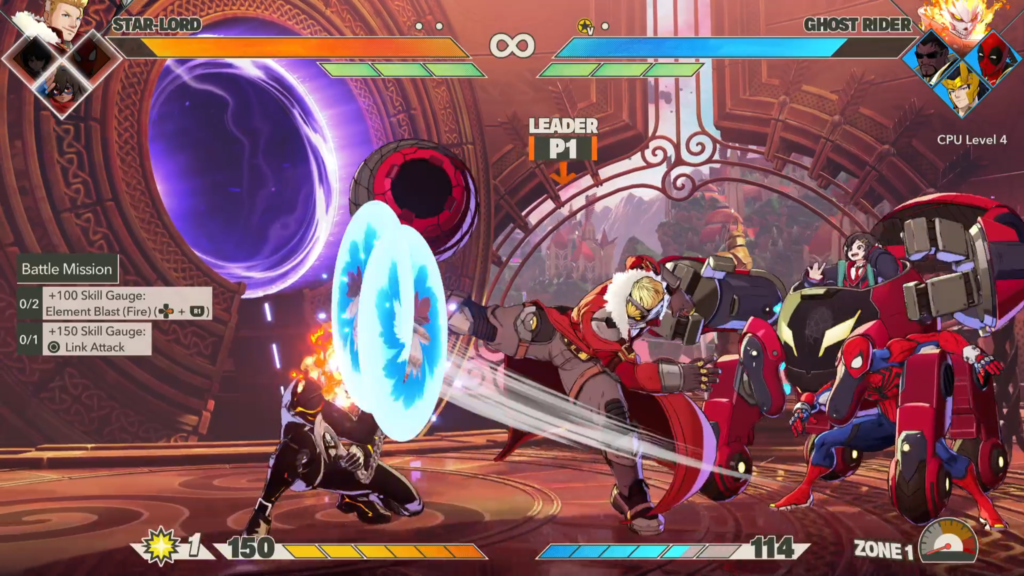
Turns out, you can also mash the hell out of the assist button.
I learned that firsthand while playing against my button-mashing ten-year-old daughter. She figured out pretty quickly that repeatedly summoning her teammates was a surprisingly effective strategy because of the chaos it creates on the screen. And if she happened to catch me on the first hit, slamming that assist button set off a hard-hitting multi-hit combo.
Well done, kiddo.
Otherwise, you would think that switching characters would be the highlight of a four-person tag game, but you’d be wrong.
The big problem is that your entire team shares one health bar! What’s the point of switching if you can’t rest your injured fighters? You might say to give your opponent a different look. Okay, by will that really faze an experienced player?
The simplified controls don’t help this either. You don’t really need to switch characters to repeatedly hammer the medium attack button, nail a basic launch combo, or spam assists.
It’s an obvious attempt by Arc System Works to make its tag feature worth using while at the same time making things easier for players.
Accessibility Is Tōkon’s Biggest Strength and Weakness
I realize most people probably won’t care about any of this. In fact, you could argue that Tōkon levels the playing field, and I don’t have much to say in response. Someone can indeed pick up a controller, choose any four characters, and possibly take one without spending days memorizing move lists.
My daughter proved that.
I don’t mean to say that skill doesn’t matter, either. There’s still plenty of room for elite players to separate themselves. Things like timing, positioning, counters, and launches are still important. Someone who knows what they’re doing is still going to wipe the floor with a noob.
The difference is that a beginner at Tōkon won’t stay a beginner for long. Whether that’s a positive depends entirely on your expectations. That’s something to decide before you buy Tōkon, especially considering how expensive it can get.
$50 USD for the base game may not seem that bad considering the hundreds of hours of gameplay good fighting games can deliver. However, you’ll have to spend $35 on the first pass to grow the roster beyond the 20 original characters. That’s more expensive than Street Fighter 6’s $30 pass just to reach 24 fighters — less than half the heroes that shipped with Marvel Vs. Capcom 2.
Verdict
This one’s tough. In reality, I’m probably stuck somewhere between recommending Tōkon and suggesting you wait for a sale.
I won’t deny it has a lot going for it. The visuals are great, it uses the license effectively, and the gameplay is satisfying.
If you don’t really care about perfecting combo streaks, you’re a big Marvel fan, and you just want something that anyone can pick up and play no matter their skill level, then Tōkon can be a great choice.
If you’re coming from a more demanding fighting game, on the other hand, then some skepticism is warranted. Speaking as someone who’s played a lot of fighting game franchises like Darkstalkers, Soulcaliber, Virtua Fighter, Tekken, Samurai Shodown, Mortal Kombat, and so on, I expect fighters to have unique controls and a steeper learning curve. Tōkon doesn’t quite deliver the experience I’m looking for on either front.
Woody recommends it
- 24 hours in
- PS5
- Bought it
Leave a Reply