

When I first saw the trailer for Stupid Never Dies during the 2025 Game Awards, I was immediately taken in by its blend of punk rock and monster culture. I promised myself to make room for it in my gaming schedule no matter what.
Well, November signaled it was finally time to explore this promising zombie love story, and I have to say, my first 10 hours with the game were mostly positive.
Davy the Zombie’s infatuation with an anonymous girl he finds dead in a freezer is a crazy premise for a video game. Seeing him chase his nigh impossible dream of reviving her made him endearing somehow.
Otherwise, the combat was fairly good, the usual roguelike features were cleverly adapted, and the cast of supporting characters was interesting. So far, it was living up to the hype.
But only five hours later, I hit a wall that exposed a fatal flaw that all roguelikes potentially share— mindless repetition.
It Was Great Until I Got Stuck
It wouldn’t be totally correct to blame it on a lack of variety, exactly.
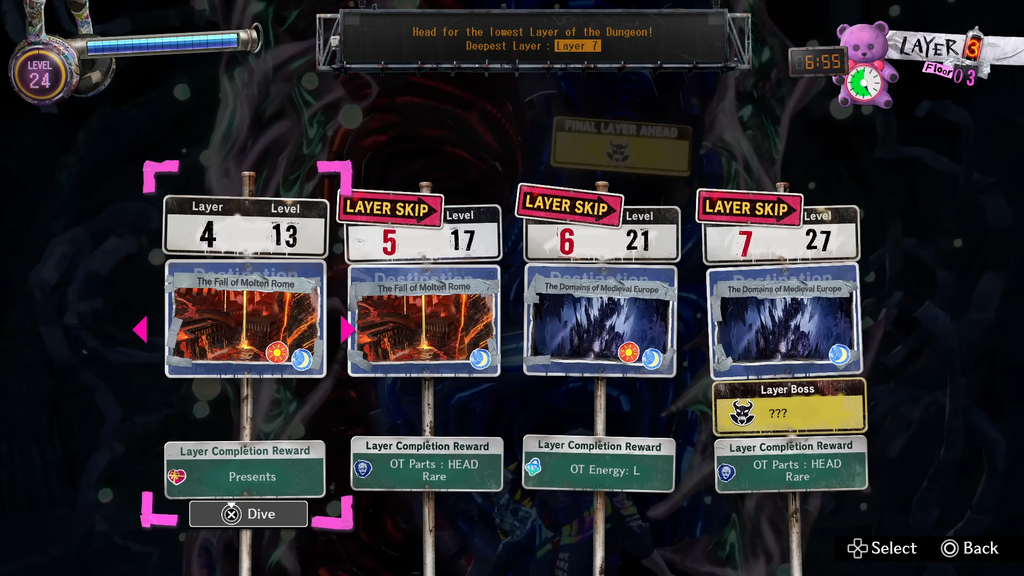
The layers of the dungeons I explored with Davy technically came in different biomes and layouts. Some included a few traps and hidden treasures. Each one opened the way to a selection of five deeper layers— each with their own rewards.
It was fine in those early hours because I was getting distracted by new enemies, bosses and upgrades. The runs were relatively short, so I didn’t mind restarting all the time after clearing a boss or dying.
That changed when it was time to fight Dragul, one of the game’s half-way bosses.

I’m not sure if GPTrack50 meant him as a skill check, but he stopped me dead in my tracks. No matter what I did, I couldn’t reach him with enough time left on the 15-minute run timer or deal enough damage to beat him.
None of the various rewards and upgrades were helping, so my only choice was to farm dungeon runs to steadily increase my XP multiplier and eventually overpower him.
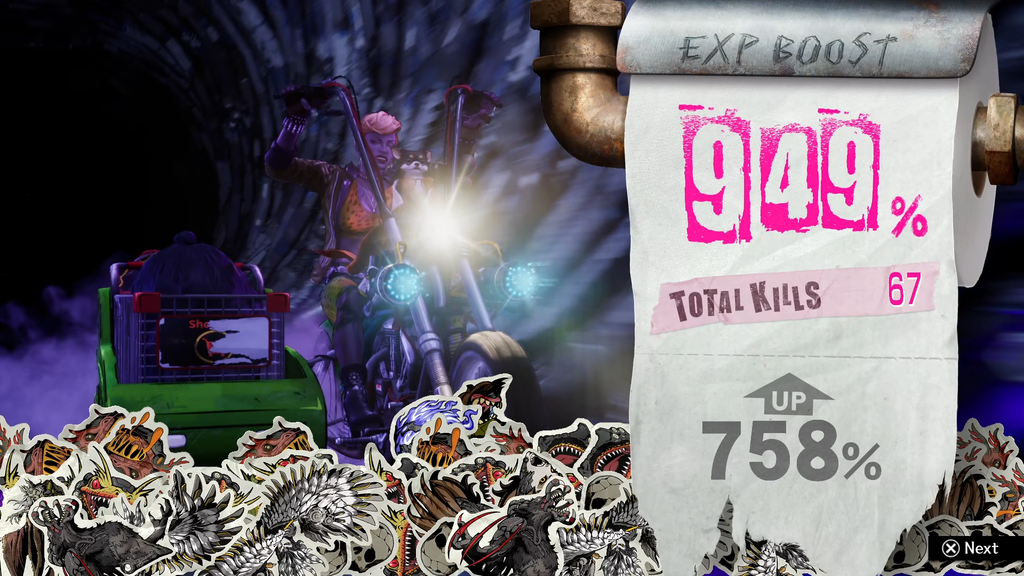
Cramming that many runs together without any progress broke the illusion. The different layer designs didn’t play differently enough to mask that I was just fighting the same 10 or so enemies on repeat.
After about 7 or 8 tries, I finally beat Dragul, only to find out I had to grind again to clear the next boss, and the one after that, and so on. I’m not sure if it was done to stretch out my playtime, but the constant restarts became a real pain as the number of layers per run increased above 20, and climbed as high as 39.
Frankly, I probably would’ve walked away from the game if I didn’t have this article planned. The toughest moment came when it revealed that I had to beat five previously cleared bosses all over again just to get to the final fight. That meant another five 33-layer runs in a row, which sucked any joy left from playing the game.
Too Much RNG
The gauntlet of retries I experienced also brought to light just how much my success hinged on luck.
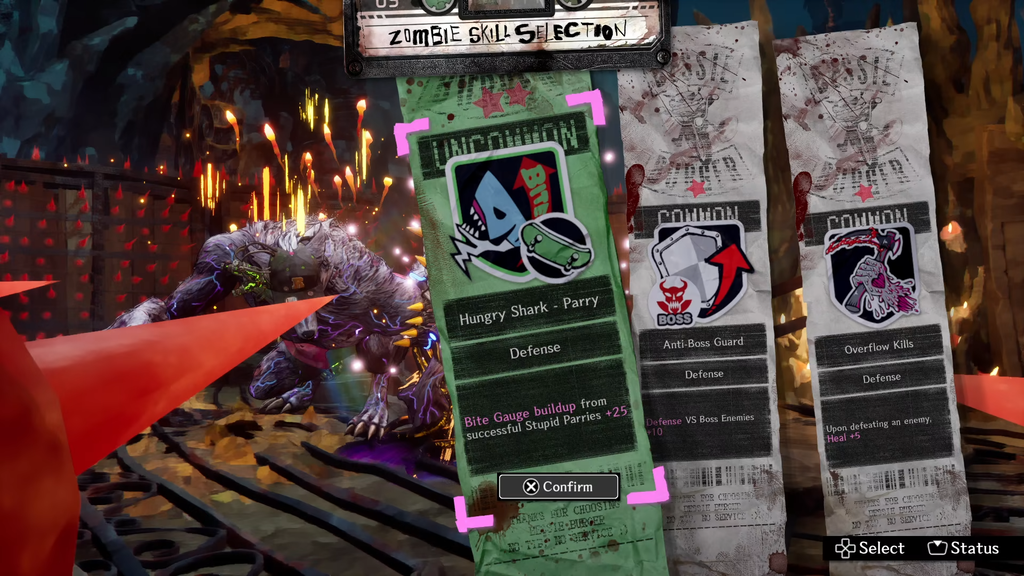
Zombie tickets are Stupid Never Dies’ twist on roguelike bonuses that only last for the run. I was picking these up pretty liberally from chests, leveling up, defeating enemies, and clearing levels. That’s great in theory, except that only a handful of the 300 different tickets were universally useful.
Runs where I drew legendary rarity tickets with attack and crit bonuses usually went a lot better than those where I collected mostly common and uncommon support ones.
I thought the feature that let Davy absorb elite enemy fighting styles was really great — until I realized it was even worse for RNG than the tickets.
Biting the core of a legendary elite obviously made things significantly easier than a common one. How effective that core was also depended heavily on which of the five Style Skills it came with. Elite enemies were peppered in at random, so I could sometimes head into boss fights with completely mismatched or underpowered styles.
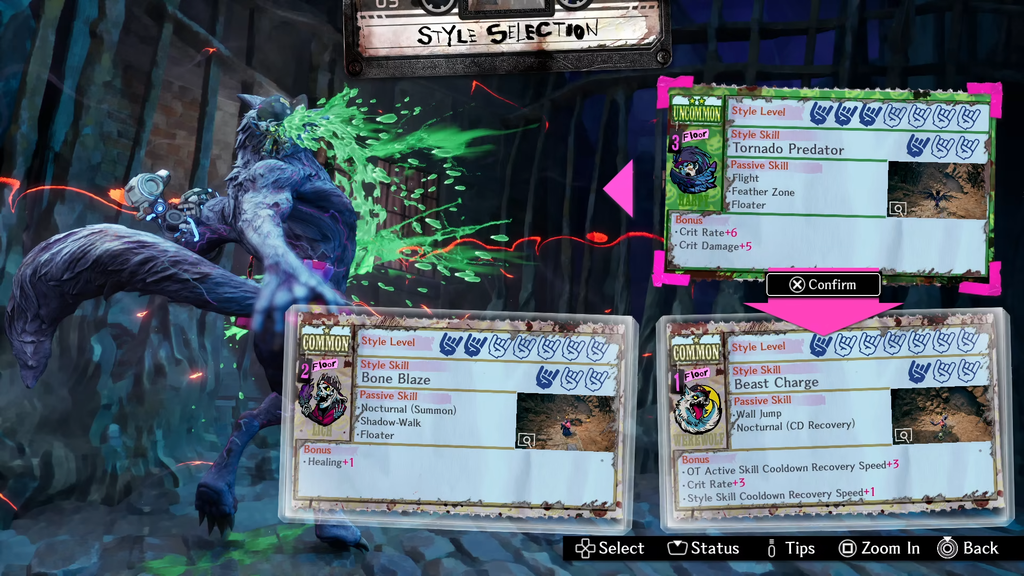
The point is that my 7 or 8 tries to beat Dragul could’ve easily been 4 or 5 if the tickets had cooperated, and maybe even less if I had picked up high rarity styles beforehand.
Poor Camera Work Was the Nail in the Coffin
It’s unfortunate too, because combat in Stupid Never Dies is decent for the most part.
The styles were all extremely different from one another, making each one valuable in certain situations. Some, like the vampire and the grim reaper, had really unorthodox moves that took experimentation to figure out. RNG aside, I really enjoyed discovering how to use them effectively in battle.
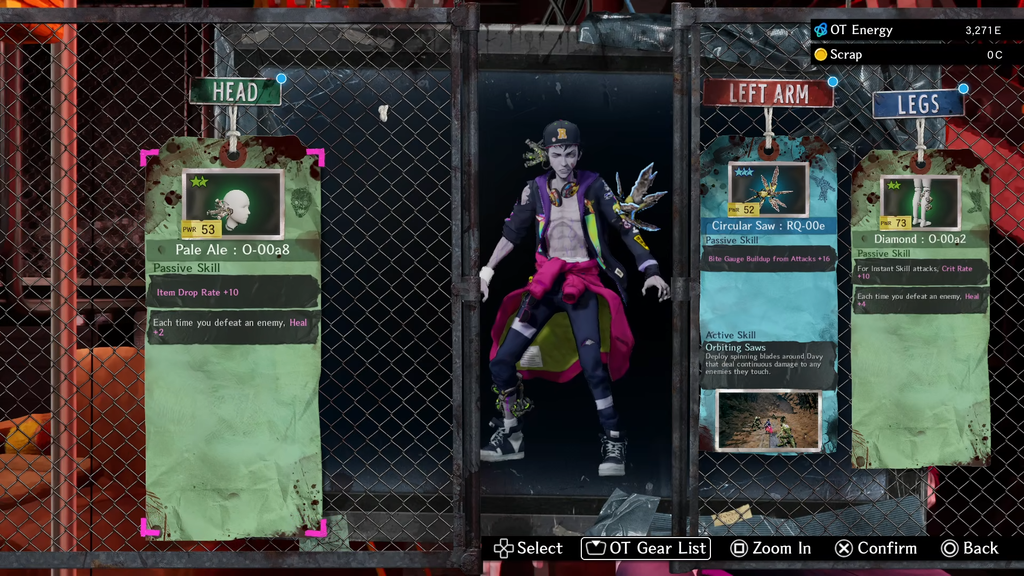
One of the NPCs, Acelino, could bolt “Overtech” to Davy’s body to give him all sorts of auto and active skills, like the ability to summon a spinning blade around him or send out a shockwave when afflicted with a status effect. Those were all fun to test out in battle, too.
With 10 styles, 300 tickets, and tons of parts to equip, my Davy builds could evolve in a lot of different directions. They weren’t always productive or helpful ones, but the intense customization did help take my mind off the grind a little.
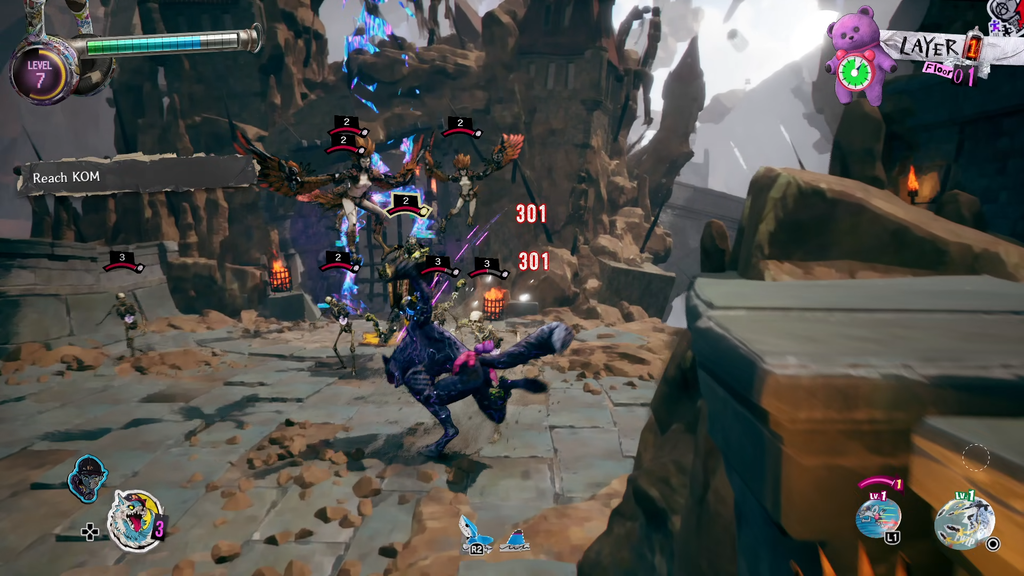
In fact, I could’ve forgetten about it entirely if I hadn’t struggled with camera the whole time!
For some reason, GPTrack50 decided its game didn’t need a lock-on feature. That design choice left me entirely in control of aiming a camera that only moved in a horizontal arc around Davy and freaked out whenever it encountered a wall. Constantly having to readjust it every time I rushed past an enemy was really annoying, and it often led to me getting picked off by attacks I couldn’t see coming.
Since I couldn’t select a target, I had to rely on an auto-aim feature that was clearly designed by someone who’s never played an action game in their life.
Davy would often switch targets mid-combo or awkwardly throw punches in the opposite direction for no apparent reason. Aiming at targets above or below Davy was a sketchy proposition that only worked half the time. The most annoying thing, however, was that the auto-aim didn’t pick up elite cores, so I would often miss them with Davy’s bite.
Combat could’ve been Stupid Never Dies’ saving grace. Unfortunately, fighting with the camera and target lock killed it for me instead.
Verdict
My problem with Stupid Never Dies is that significantly cheaper titles deliver much better roguelike experiences.
Games like Absolum, Cult of the Lamb, Cinderia, and Slay The Spire are simpler, but they mix in different elements that tone down the repetitiveness. Stupid Never Dies tried to do that with upgraded graphics, cool art work, and a whacky story, but it didn’t work for me.
The bottom line is that the game had me relentlessly fighting through the same enemy waves. Doing so felt fairly good when things lined up, but incredibly frustrating when they didn’t. I thought about quitting early several times during my playthrough, and my reward for persevering was the prospect of doing more of the same in a new end game dungeon.
As it stands, I would recommend avoiding Stupid Never Dies until GPTrack50 finds a way to offer a more streamlined late game experience.
Woody Says Wait for a patch
- 30 hours in
- PC
- Bought it
Leave a Reply