

Story & Pacing
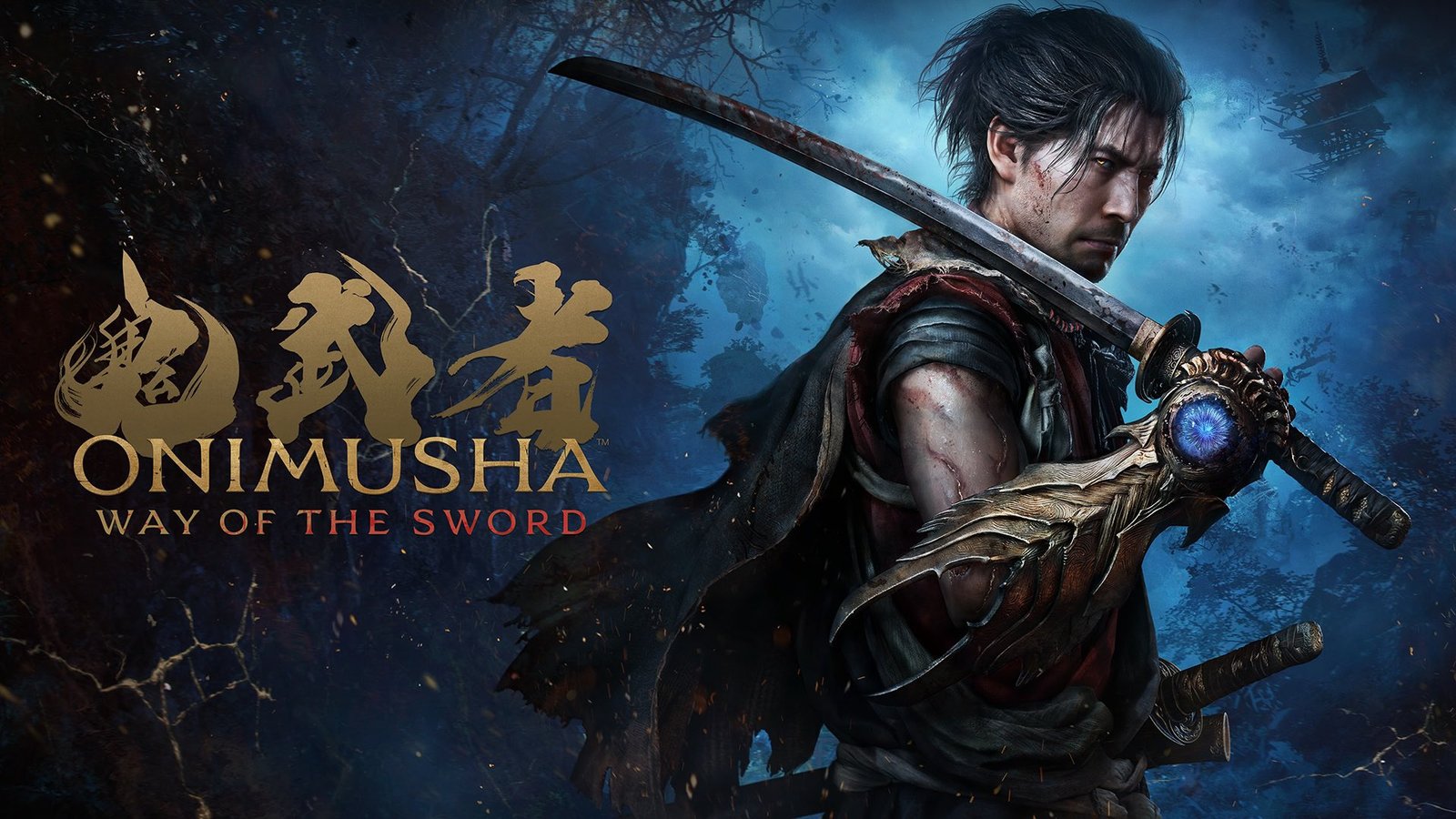
Onimusha: Way of the Sword centers on a young, overly confident Miyamoto Musashi in early Edo-period Kyoto as he strives to prove himself as the ultimate swordsman.
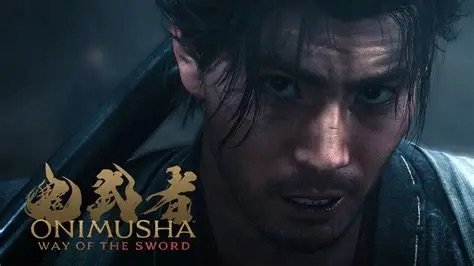
For those unfamiliar with the history, Miyamoto Musashi (1584–1645) was a legendary Japanese swordsman, strategist, and philosopher who developed the two-sword style Niten Ichi-ryū and authored The Book of Five Rings. Way of the Sword takes a heavily mythologized, fictionalized approach to his legacy, even modeling Musashi’s appearance after the iconic Toshiro Mifune.
Arriving in Kyoto, Musashi’s pursuit of martial perfection is cut short when he is ambushed and slain by the Genma—a demonic race invading the mortal realm. Trapped in the underworld, he is saved by a mysterious robed figure who fuses the Oni Gauntlet to his arm and resurrects him.
Musashi’s central conflict is both supernatural and deeply philosophical. He firmly believes the “way of the sword” must be walked through raw skill and personal discipline; to him, wielding demonic, soul-absorbing magic feels like a cheat. This drives his initial quest to rid himself of the gauntlet. Meanwhile, Kyoto is being consumed by “Malice”—a corrupting mist threatening to spread across Japan if the Genma aren’t stopped.
Pacing-wise, the narrative hooks you immediately at the start. It slumps a bit into a slower rhythm around the middle chapters, but the final act completely blows the doors off and finishes on a massive high note.
Combat
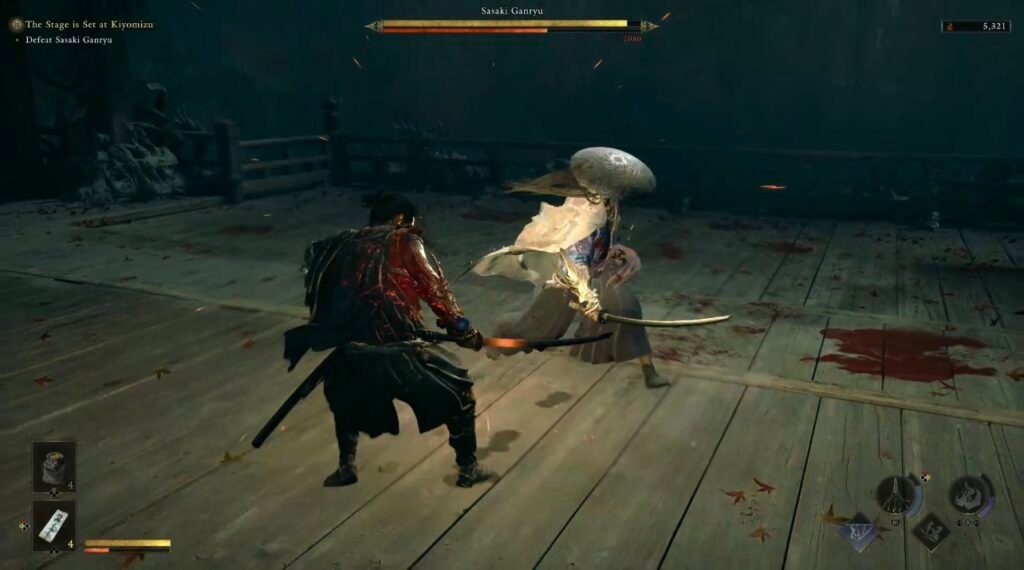
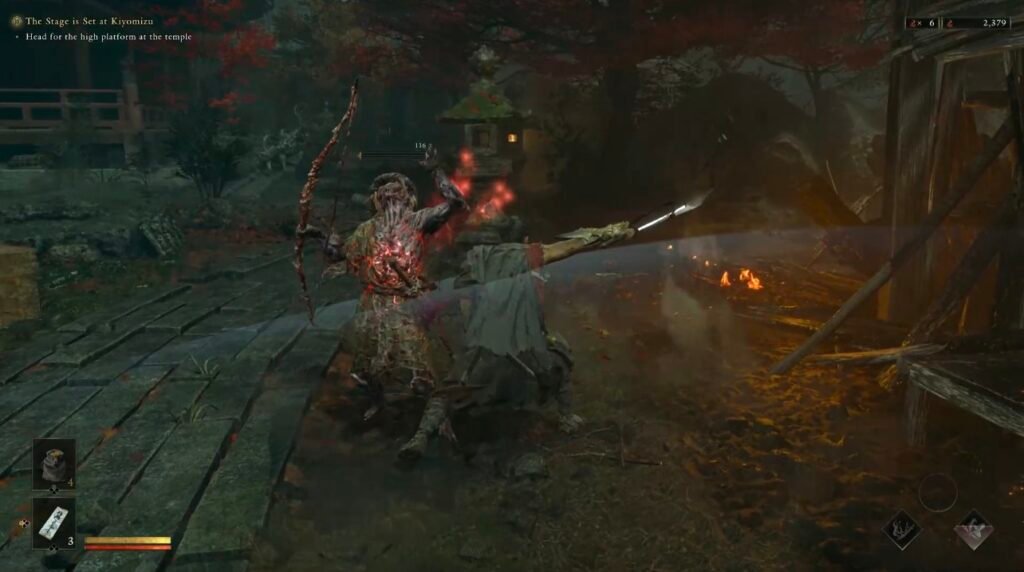
Combat is easily the strongest, most refined aspect of the entire package. Between crisp perfect dodges, weighted parries, and satisfying deflects, mastering the timing delivers that elusive feeling of pure, peak samurai combat.
Of course, it wouldn’t be Onimusha without the franchise’s signature counter-strike mechanics:
🔔 True Issen: Tapping attack at the split-second an enemy strikes for a massive counter.
🔔 Deflect Issen (Hajiki): Blocking at the exact moment of impact to throw enemies off-balance, instantly opening them up for a lethal follow-up.
🔔 Chain Issen (Ren): Precision-timing consecutive inputs after your first Issen to flash-dash through an entire mob of enemies.
When you chain these together, the combat loop feels incredible.
Exploration, Level Design & World
The game uses a small town in East Kyoto—choked by red corrupting mist—as its primary central hub. You have seven linear levels each level has its own unique design and look.
The standalone levels themselves are gorgeous, well-designed, and a treat to play through. In fact, they’re so good that it made me wish the developers had shrunken the Kyoto hub area to fit in two more of these handcrafted levels instead. The semi-open hub structure succumbs to typical modern AAA bloat; it drags after a while and feels like an unnecessary addition simply to check an open-world box.
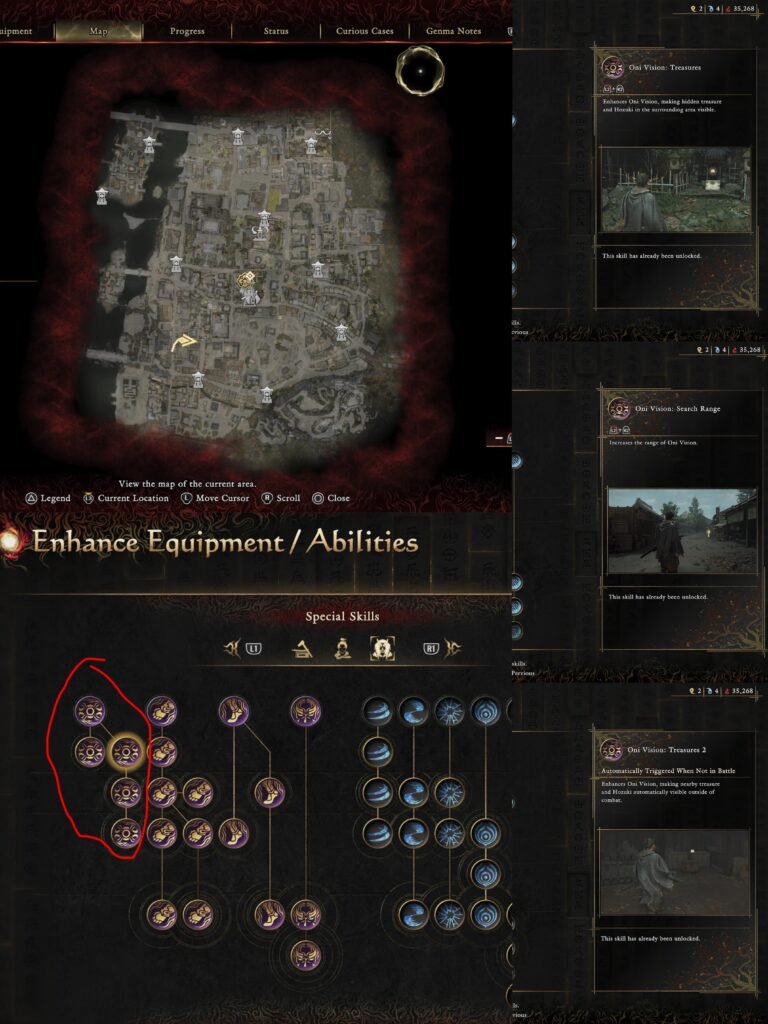
Exploration also suffers heavily due to over-handholding. Early on, you unlock a skill called Oni Vision, which instantly highlights all hidden items through walls. You don’t even have to enter a building to check for loot—the game just reveals everything as you walk by. It completely guts the joy of discovery and really should have been relegated to New Game Plus or hidden behind an optional accessibility toggle. Combine that with minimap pins that draw literal golden trails directly to chests, and the sense of organic exploration is largely gone.
The puzzle sections—such as the platforming and eye puzzles within the Oni Refuges—are overly simple and feel like superficial filler rather than meaningful gameplay breaks.
Questing & Side Content
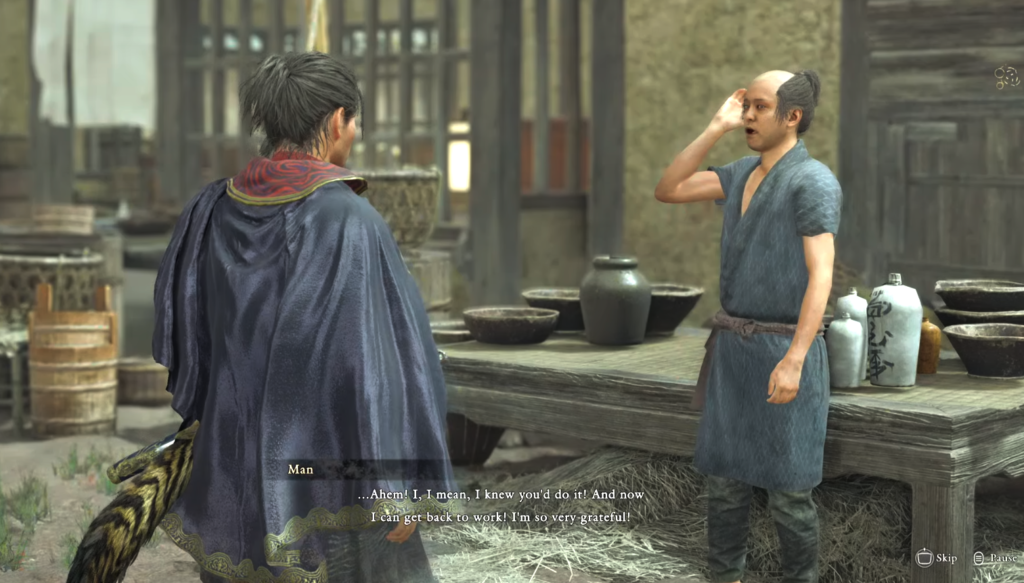
As you progress the main story, more of Kyoto opens up with side quests. The quality here is a real mixed bag. A few side missions feature full voice acting and unique narrative beats, but many others feel like low-effort, copy-pasted filler. Having to clear waves of enemies for upgrade materials through generic side chores made me wonder why those rewards weren’t just put into hidden world chests instead—finding hidden chests on your own was actually fun.
Additionally, the game relies far too heavily on repetitive dimensional rifts housing the same two recycled mini-bosses. While these fights are useful for upgrading your gauntlet, you can easily farm those same materials in the Boss Rematch mode. Clearing dozens of identical rifts gets exhausting, and for completionists who like to 100% a map, it actively kills any desire to jump back in for a second playthrough.

AAA Modern Tropes & Dialogue Fatigue
My biggest grievance with the design stems from the constant backseat gaming. You are accompanied by a talking gauntlet spirit named Shizuka who simply will not shut up.
She constantly dictates where to go and calls out basic combat beats: “Dodge!”, “Be careful, there’s an enemy behind you!”, or “Look over there!” when the objective is sitting directly in front of you. It treats the player like they can’t figure out basic mechanics or learn from a simple mistake. Worse still, even when choosing Action difficulty, the handholding from Shizuka, Oni Vision, and semi-open world design remains baked-in with no option in the settings to turn her combat chatter off.
Difficulty, Replayability & Performance
Audio & Voice Acting: Absolute perfection. Playing with the original Japanese voice track is a masterclass in voice performance (though the English dub left a bit to be desired).
Enemy AI & Difficulty: The game launches with Story and Action difficulties, but even Action feels overly forgiving. Enemies are passive early on and tend to take turns attacking you. While some might dislike this classic design, it didn’t bother me too much—it feels like an intentional, retro action-game choice or like an old school samurai movie when enemies circle around you and you wait for the right moment to strike.
Endgame & NG+: Defeating the game unlocks Carnage Difficulty for New Game Plus. While it doesn’t dramatically alter enemy aggression AI right out of the gate, enemy stats skyrocket to near one-hit kill levels. I played roughly 7 hours on Carnage, the difficulty ramps up significantly, offering a genuine challenge alongside the standalone Boss Rematch mode.
Verdict
Onimusha: Way of the Sword is a bittersweet mix of peak action design and frustrating modern AAA handholding. Its core combat is an absolute masterpiece—delivering some of the most satisfying samurai swordplay in recent memory—and its main story concludes with a fantastic, unforgettable finale. However, bloated hub mechanics, intrusive companion chatter, and trivialized exploration prevent it from reaching overall perfection.
If you can look past the handholding and generic side content, the swordplay alone makes it worth the journey.
GP SAYS MUST PLAY
- 36 hours in
- PS5
- Bought it
Good review
Looks like it suffers from the usual RPG side quest mechanics where in they just use genric storytelling and fetch quests to pad the gameplay and increase the play time
Except that everything looks especially the combat
The oni gauntlet wanted some identity i guess that’s why they used sizuka as a means
Overall looks like a solid game and capcom on a roll