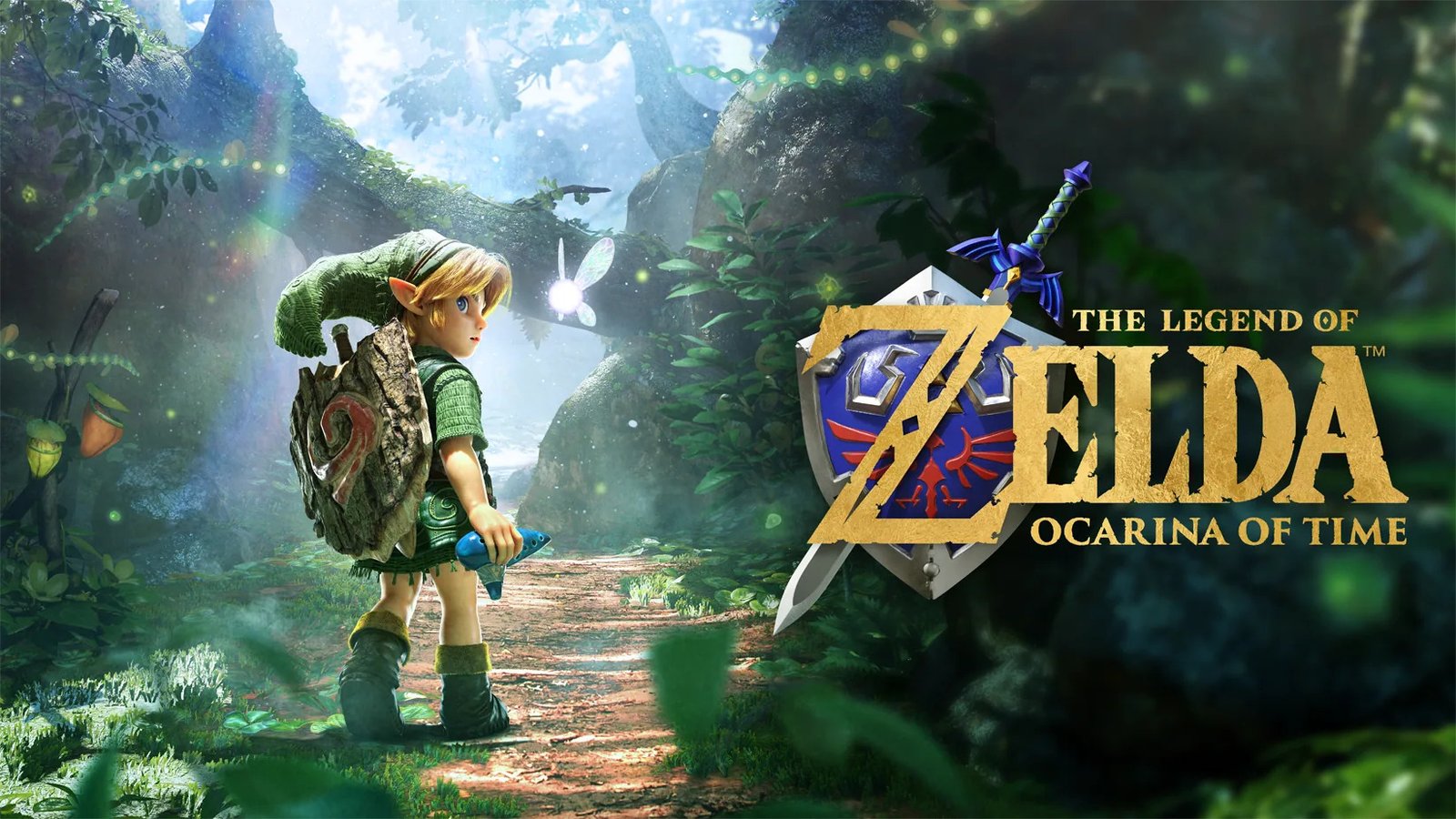

The Ocarina of Time remake is my first full foray into a traditional Zelda game, so this review comes from a new fan rather than a series veteran. My only other time in Hyrule was about half of Breath of the Wild on the original Switch. I completed two of the Divine Beasts, which makes up roughly half the game, and put in around 40 hours. Beyond that, I’m coming in fresh.
I’d heard a lot about this remake, not all positive, but plenty of people were excited, and for good reason. Ocarina of Time is credited by many as formative, both for the players who grew up with it and for the developers whose modern projects borrowed heavily from it. That context made me nervous because I didn’t know whether something created in the 90s would hold up on modern consoles, or whether a remake would be faithful enough to keep the things that made the original special in the first place.
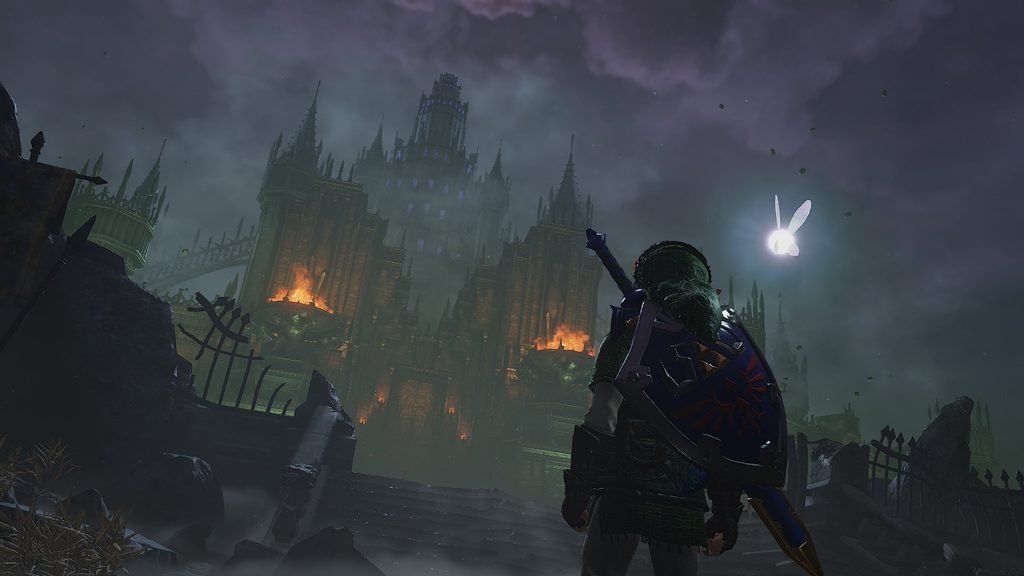
That Unreal Engine Look
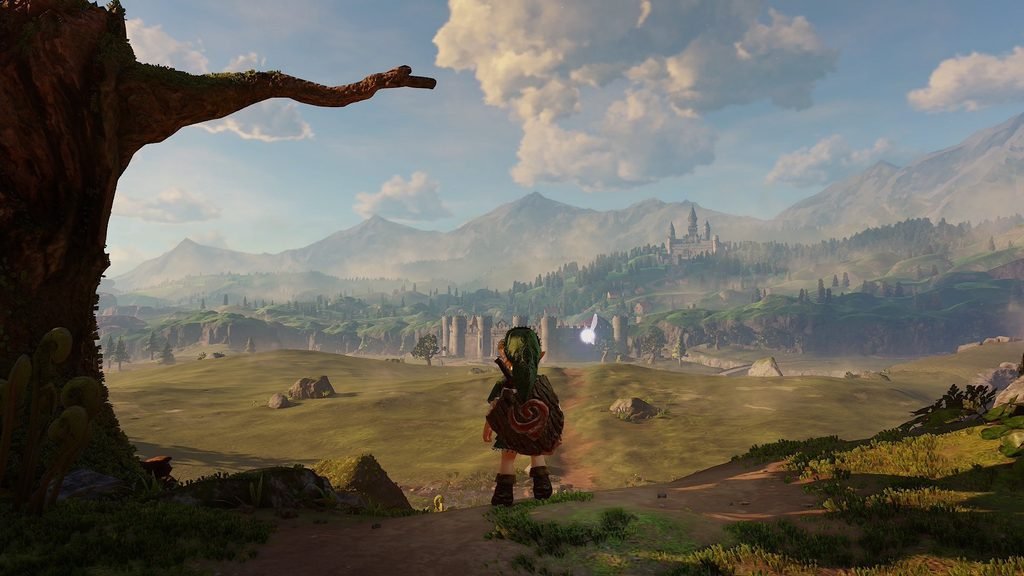
Full transparency, the pre-release footage didn’t calm those nerves. There were plenty of memes about the art style, with people saying it had an Unreal Engine look that was a little too realistic, maybe over-designed. One minute with the game was enough to assuage my fears about the design, along with all others. Put simply, the moment I started my adventure, I fell in love.
The Wonder of Child Link
I was first infatuated in the village, playing as young Link. Zelda was often pitched to me as a classic tale of a knight in shining armor saving the world and rescuing the princess, and the game delivers exactly that. The first 30% or so has you tackling Dodongo’s Cavern, helping the Zora, and exploring Hyrule through a childlike lens. Everybody is friendly because you’re small and cute, and the game keeps reminding you that the world is there to be explored, but it doesn’t quite let you see everything. It lets you reach nearly every corner of the map and signals that there’s more to see later, and the way quests are structured rewards curiosity, experimentation with new mechanics, and returning to old places with new tools.
A small example shows how well this works. Early on you’ll notice plenty of crumbly-looking rocks, and you get bombs not long after. Going back through those environments, as young Link and later as adult Link, and opening up areas you spotted five hours earlier is a real delight. Sometimes it’s a small reward. Sometimes it leads to something bigger, and sometimes it finally lets you complete a quest you’ve been puzzling over for ages.
That loop gives the game the sense of wonder you get reading The Lord of the Rings for the first time, the feeling of being dropped into a much larger world that you’re desperate to see more of. Yet it stays light and airy. It never becomes so serious that it turns into an “adult game,” rather it holds on to that childlike fantasy of completing a mighty quest to save the kingdom.
A Story With Urgency
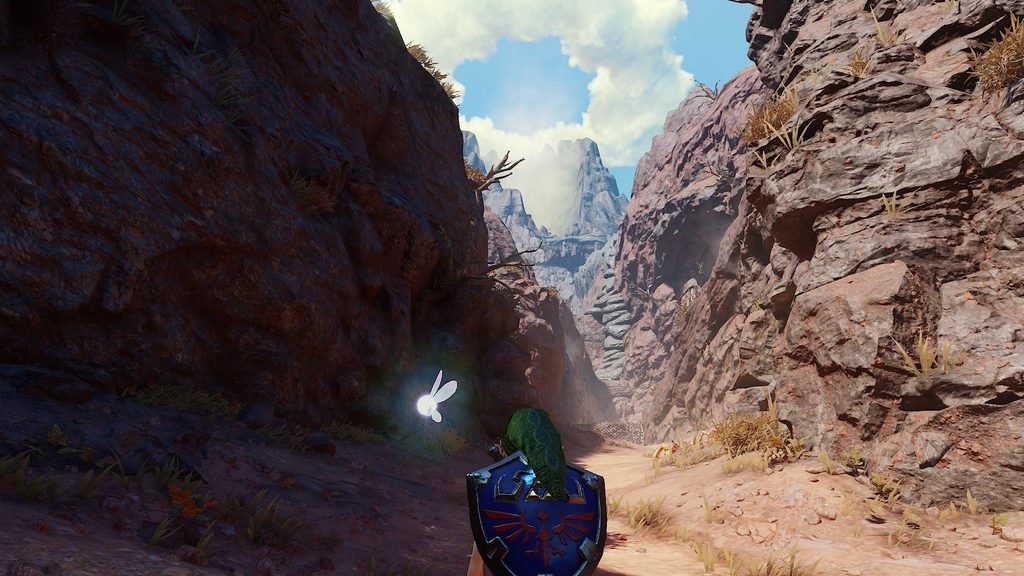
Underneath the charm there’s real urgency. You meet Zelda fairly early, and she tells Link she needs his help collecting three items that will let them protect the Triforce from Ganondorf. As you progress throughout the early section of the game you’ll see a lot of what Hyrule has to offer, making connections with the different people across the land. When you bring everything back to her, the story really kicks off.
I won’t spoil what happens, but you grow into adult Link and get to live out that knight-in-shining-armour fantasy in full. You traverse the expanse of the world and work through another six dungeons, each with significantly more complex mechanics than what came before. You also relive the memories you made as young Link, only now through a more mature and, I’d say, more desperate lens. Things have gone wrong, and it really is time to save the world.
Living With the Consequences
One of my favourite parts of playing as adult Link is seeing the consequences of your actions as a child. Characters in games sometimes feel static, frozen in place until you happen to walk past them again. The time skip changes that. It lets you see people you only met briefly grow and change, shaped by the passage of time, by what’s happened to the world, and by the effect Link had on them.
The small interactions land hardest, the Lon Lon Ranch quest more than others. They remember things from Link as a child, and how they treat him as an adult reflects both the past and the present. It’s a clever way to make a world feel lived in, and it ties neatly into the childlike-to-desperate shift that defines the game’s two halves.
Dungeon Design That Respects Your Curiosity
Dungeon design is a cornerstone of classic Zelda, so it deserves its own mention. The structure is familiar by now: you crawl through a dungeon built around a central mechanic, use it throughout to solve puzzles, defeat a boss at the end, and move on to the next one.
Ocarina of Time’s puzzles are exquisitely designed. They’re clever and intelligent, though not brutal brain teasers. A minute or two of pondering to track down the last couple of chests in a dungeon, or realizing you need to use a tool in a way you didn’t expect when you first picked it up. That small lightbulb moment feels great every time, and it’s a big part of why the dungeons never wear out their welcome. More than a couple times I used a tool in a way I never thought would work and it shockingly lead to solving a puzzle that had me looking like The Thinker.
A Gateway for Everyone
I suspect this game was developed through the lens of a very specific question: how do we bring childlike joy to adults while also giving children a gateway into 3D games? That’s where it shines brightest.
It’s a really strong game for adults, but it won’t be too difficult for kids. You get the epic storybook fantasy you want without being bogged down by complex action combat with high difficulty bosses. It will shine in a household with a kid who gets a shiny, new Nintendo Switch for Christmas or a lover of a fantasy setting trying to get into gaming. Adults will have a very strong tie to this game, still finding their favorite storybook intact, and your kids will find a wonderful world to sink their tiny teeth into. And it cannot be understated how impressive that is.
Two Things Holding It Back
As much as I loved the game, two issues kept nagging at me.
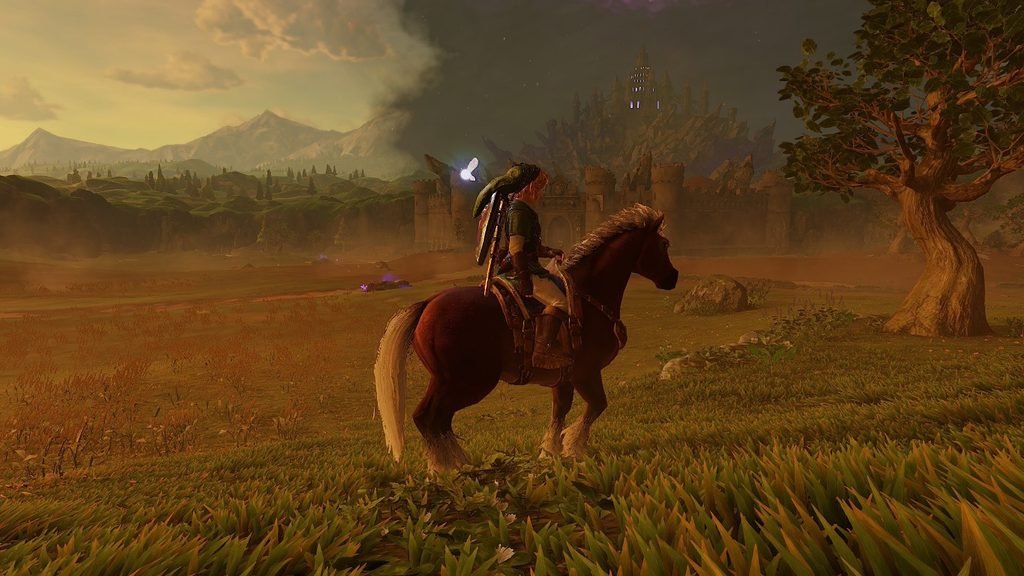
The first is the decision to use FSR1 as the upscaler. The art direction is lovely, some of the best I’ve ever seen, but FSR1’s inherent fuzziness knocks down the visual fidelity, and I think that’s a tragic choice for a game with this much artistic talent behind it. A newer upscaling model would have been extremely welcome, and it would have let the artwork look as crisp as it deserves to.
The second is the voice acting. Only the cutscenes are fully voiced, while the rest of the dialogue goes without. I wish every character with voice acting had all of their lines recorded, not just the cinematic moments. It would have made them feel far more lively and fully realized, and it would have brought the game that much closer to modern standards.
Neither problem breaks the experience, but both are the kind of thing that stands out precisely because everything around them is so well done.
The Verdict
The characters are captivating, the game looks gorgeous, and it runs phenomenally well. While there’s plenty to explore and discover, it isn’t too long, and neither the puzzles nor the combat are too hard. At its heart it’s medieval fantasy distilled into a lovely storybook painting, one I want to keep coming back to again and again It’s incredibly easy to recommend to anyone you want to introduce to gaming.
I had a smile on my face from beginning to end. I hope people who play this remake see why the game is so special, and how well it holds up all these years later. It’s the kind of game that will be perfect for generations to come, introducing newcomers to the idea of playing the games we now love, many of which were inspired by this one so long ago.
MattGhostie says must play
- 28 hours in
- Nintendo Switch 2
- Bought it
Leave a Reply