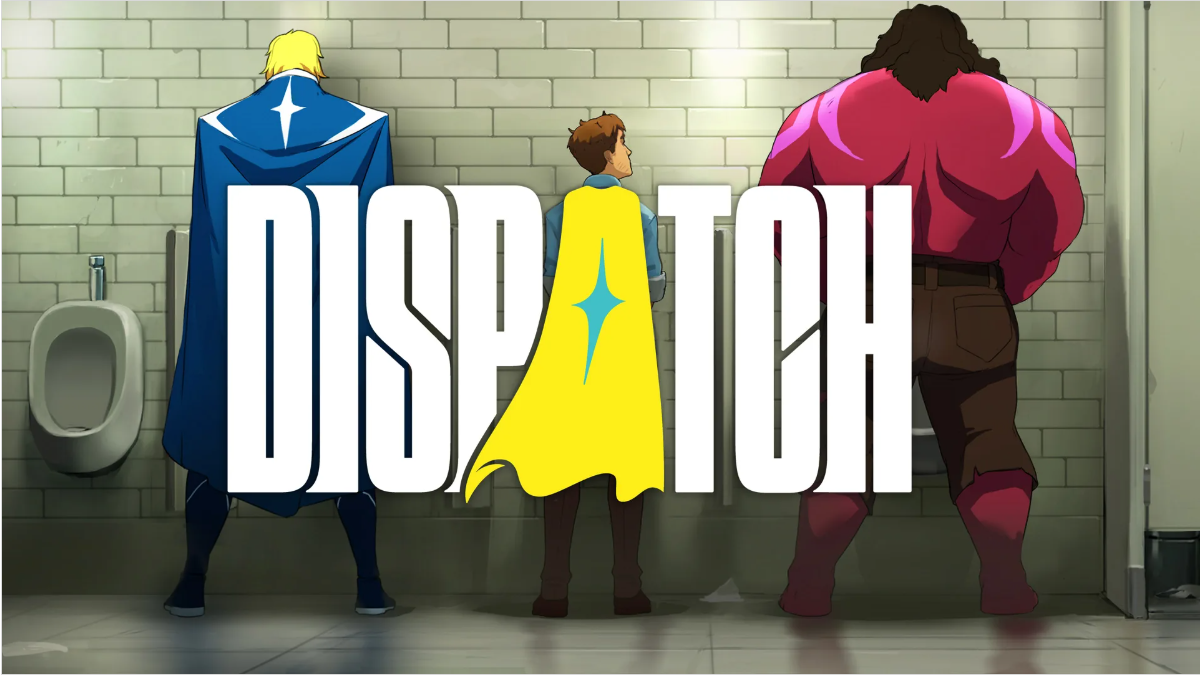

I’ve been holding off on Dispatch for a while now.
First off, it was never clear to me what I was getting into. Almost every clip I’ve ever seen about Dispatch features an animated cutscene. Sure, some of them were funny enough to make me curious about the game, but I have yet to see one with any gameplay whatsoever.
With only those clips and a description to go on, a management game for $40 USD hardly seemed worthwhile, so I moved on to other things.
Recently, however, my wife pointed out that our Prime membership included access to Amazon’s game streaming service, Luna. And wouldn’t you know it, Dispatch was available to me at no extra cost. There goes my only excuse not to try it.
Hindsight being 20/20, I shouldn’t have waited this long.
Objectively, I performed terribly during my first run through Dispatch, but I loved almost every minute of it. Managing a roster of heroes is just the tip of the iceberg, so to speak. The real appeal is making tough choices under pressure, and watching their consequences play out as an animated show.
The result is so good, I couldn’t help jumping right back in and trying it all over again.
It’s Basically The Office With Superheroes
Robert Robertson is just a regular guy who inherited a ridiculous mech suit from his father. He, in turn, received it from his pappy before him. As a third-generation Mecha Man, Robert is all-in on his family’s legacy. Unfortunately for him, it all comes crashing down when his suit gets destroyed while hunting his dad’s killer — the cold and calculating Shroud.
That’s when Blonde Blazer, one of the city’s premier superheroes, offers him a deal. In exchange for working a desk job as a dispatcher for the Superhero Dispatch Network (SDN), the company will rebuild the Mecha Man suit.

Of course, Blonde Blazer doesn’t mention that the team he’ll be handling is made up of recently reformed supervillains getting a second chance through the company’s Phoenix Program.
What follows is an awesome version of The Office with superheroes.
Obviously, I’m not the first to make that comparison, but I don’t think there’s another way to put it. Dispatch is structured like a TV series that unfolds over several episodes. Each one has its own mini-story arc, just like a sitcom, while still building towards a series-ending conclusion. But most of all, Dispatch puts relationships and personalities in the spotlight — just like the The Office does.
The production for this “show” is amazing. The animation work is great. The writing is exactly right for a superhero comedy, with a perfect blend of cheesiness, humor, and emotionality. The story is packed with everyday office scenarios, like closed-door meetings and water cooler conversations in the kitchenette, only with people in full superhero get-ups and frequent HR violations.
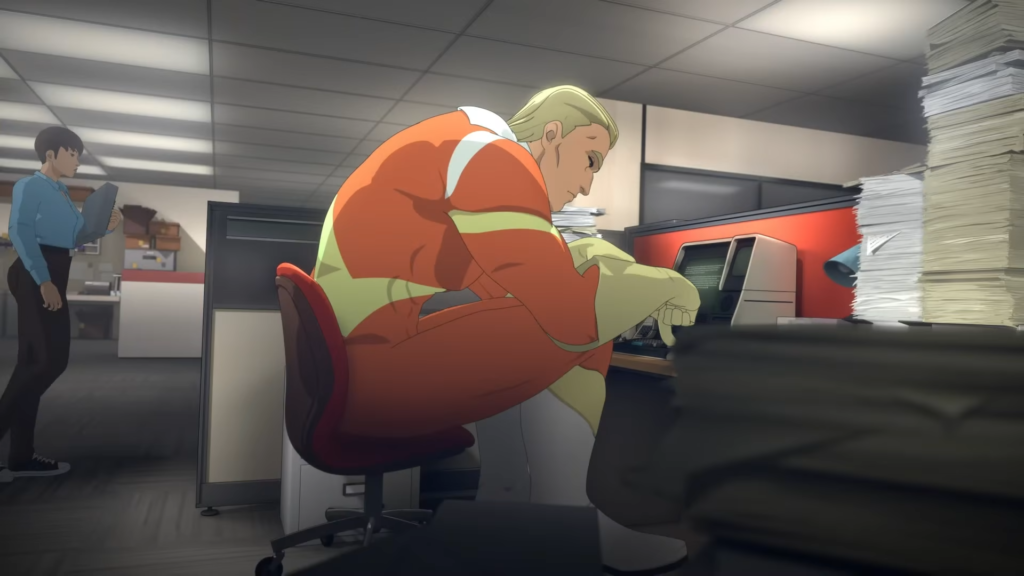
The cast includes the likes of Aaron Paul (yes, that Aaron Paul), the ubiquitous Laura Bailey, and Matthew Mercer. They bring the members of Robert’s dysfunctional Z-Team to life in a totally believable way. Watching that lot go from a pack of self-serving, back-stabbing individuals to a respectable, crime-fighting unit is one of my favorite parts of the experience.
Of course, playing the role of teambuilder led me to what is widely considered the worst possible ending in the game on my first attempt. In the midst of trying to be a good leader, I ignored certain relationships — specifically with Invisigal — and that had a ripple effect on everything that followed.
The Problem is Choice
Ultimately, that’s what Dispatch does better than any other game I’ve played. Almost every choice you make has an impact on how you’re perceived by others, and what kind of rapport you build with them.
Some decisions are obviously important, but for the most part, their consequences aren’t immediately clear. You only have about 5 seconds to pick dialogue options, which is pretty daunting the first time you encounter each situation. The only feedback you get during these scenes is a notice in the top-left corner of the screen that the character you’re interacting with “will remember that”.
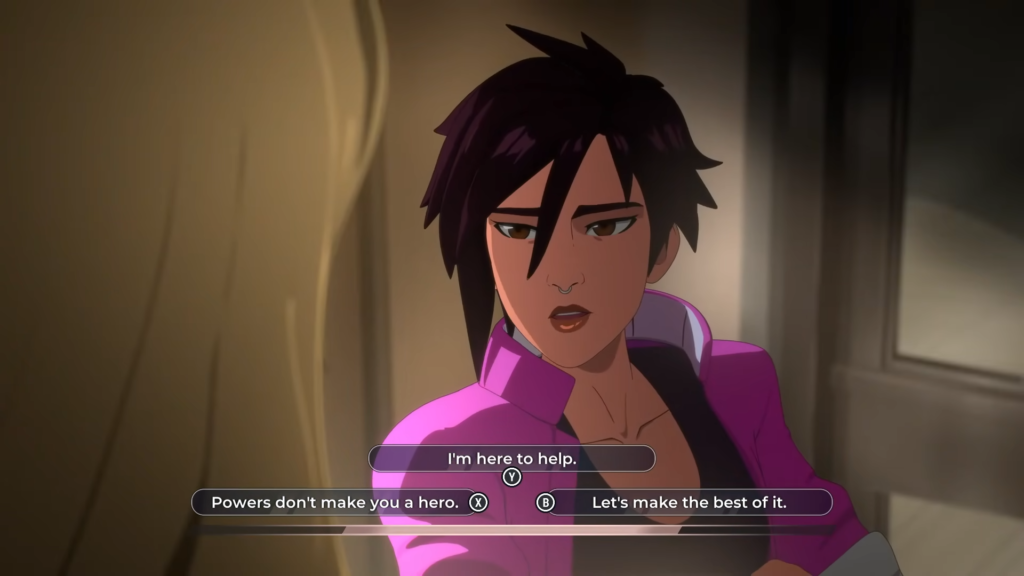
That’s not much to go on when figuring out whether you were right or wrong…and maybe that’s because there is no right or wrong. Only cause and effect.
The actions you take won’t change the overall plot, but they will determine how it unfolds, who’s available in your roster at certain points, and what version of the ending you achieve.
That’s why I don’t think anyone can play through Dispatch only once. There are just too many “what ifs” along the way. What if you behaved like an asshole the whole time? What if you chose to lie to someone at a key moment?
You get to see how the way you handled things compares to every other player after each episode, revealing outcomes you didn’t even know were possible. It also rates how you performed as a dispatcher compared to the player base, almost daring you to try again. The campaign only lasts around eight hours no matter how you play, so going through it a second time is very doable.
That feedback loop is what makes Dispatch so addictive. You immediately want to go back and see all the other possibilities.
Dispatching Heroes Is Much Better Than It Sounds
To be honest, I thought the actual gameplay would be an afterthought with all that emphasis on narrative and decision trees. Boy, was I wrong!
The basics unfold as you might guess. Calls from SDN subscribers pop up from everywhere around the city, and it’s your job to decide who gets sent. Each call has a hidden combination of six stats you need to meet to guarantee success. Your heroes have their own set of corresponding stats, and their odds of completing the job depend on how well theirs align with the mission’s.
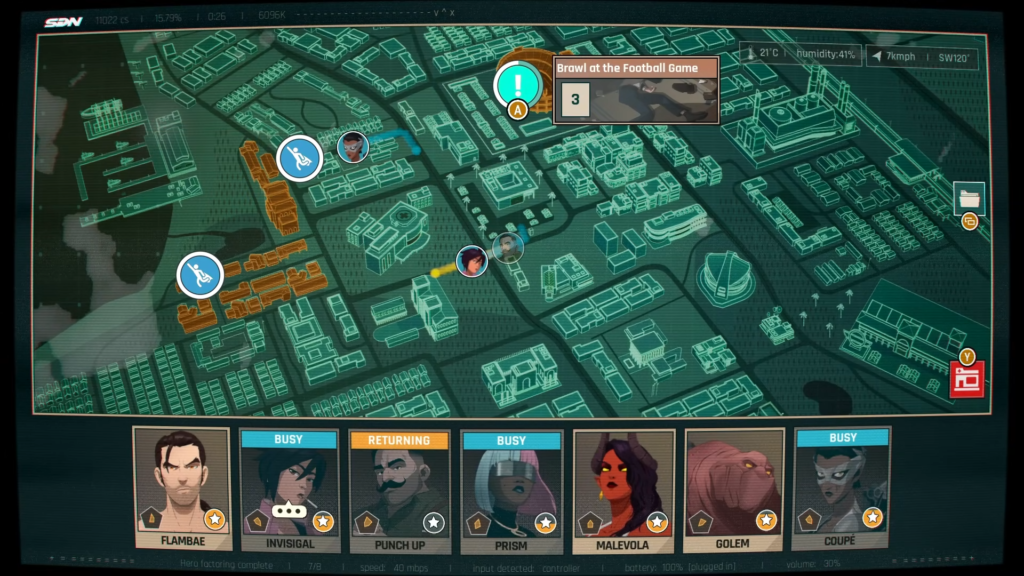
Most missions will let you send more than one hero to cover a bigger spread. It’s very tempting to do so when you’re not quite sure who’s best suited for a task or when the right person is tied up. There’s a catch, however. Heroes need time to travel to and from a location, save the day, and recover afterwards. Constantly sending your team out in groups can leave you short-handed in a hurry, as I learned the hard way…
Dispatch punishes you harshly for mismanaging your roster. The flow of calls coming in gets pretty intense at certain points. You only have a certain amount of time to respond, and missing calls will hurt your rating as a dispatcher. Meanwhile, failing missions can injure whoever participated — crippling their stats or taking them out of the action for that shift.
That’s what screwed me over the most during my first run through the game. I had no idea what was coming, so I was too focused on individual missions rather than the big picture. I was also never prepared for the constant curveballs Dispatch threw my way.
What kind of curveballs? Well, in the first episode, Blonde Blazer and Robert decide they need to send the Z-team a message by cutting the lowest-performing member. As ex-supervillains, their natural response is to sabotage each other when you send them together on a call. All of a sudden, the duo you’re counting on turns into a much less effective solo effort almost doomed to fail.
Fortunately, Z-Team members improve with each triumph. Increasing their rank lets you raise one of their stats. You can also send them on training missions at certain points to activate their special powers with a variety of effects, like healing and stat bonuses.
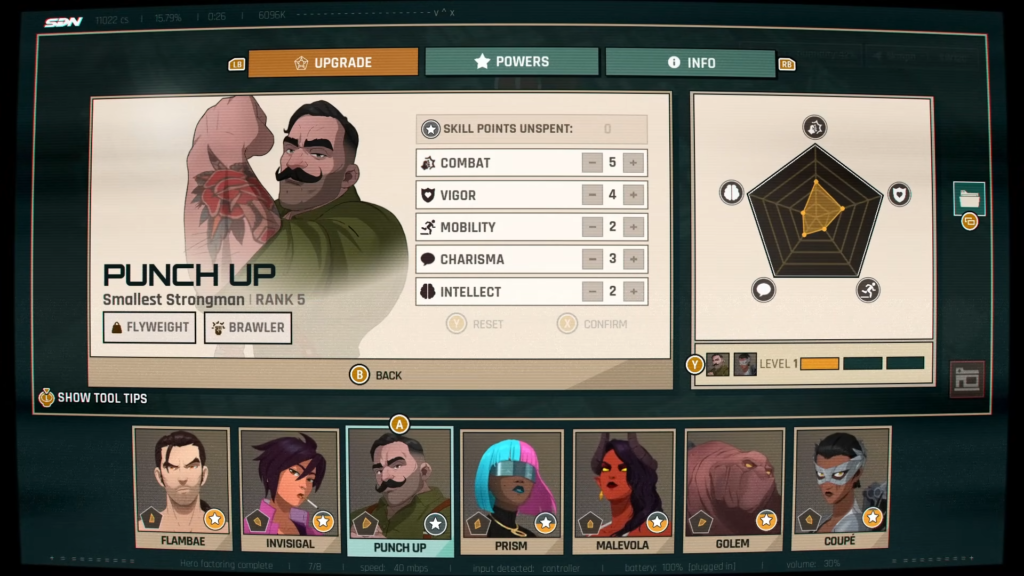
Take my advice, and avoid using a guide at first. Constantly guessing under pressure and learning how to pivot on the fly is what makes Dispatch’s gameplay special to begin with.
Verdict
Dispatch ticks all the boxes. It has a great superhero story that plays like an interactive Netflix special, and it makes all of your choices matter. The gameplay isn’t that involved, but it’s unpredictable and high-stakes enough that it’s totally enjoyable nonetheless.
But what makes Dispatch a must-play is that you can go through it a second, third or fourth time, make completely different decisions, and experience completely different versions of events. You can’t help but think back to what you would’ve done differently if only you had known better. The game taps into our near-compulsive FOMO over “what could have been”.
Try it if you get the opportunity! I bet you won’t be able to resist playing it more than once.
Woody says must play
- 20 hours in
- PC
- Bought it
Leave a Reply