
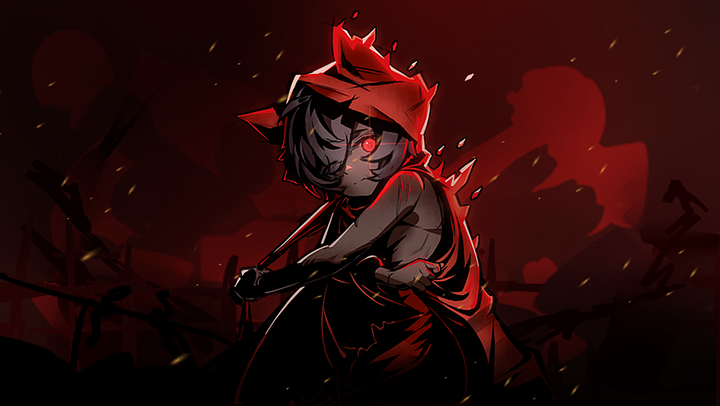

Cinderia, a 2.5D action roguelike developed by MyACG Studios, has been hanging around my Steam library for a while. I happened to be reviewing a lot of roguelikes when I picked it up, and I put it off in favor of more variety.
Make no mistake, Cinderia is as pure-blooded a roguelike as they come. It doesn’t venture outside of the genre’s usual features, like procedurally generated levels, randomized power-ups, and repeated runs.
That might sound like the start of a negative review, except that the game executes those fundamentals very well. From a purist’s point of view, the Early Access build lays down a solid foundation with fast combat and deep customization. But will it resonate with people who approach roguelikes more casually?
It’s About the Builds
The goal in Cinderia is to make it through a five-level dungeon to kill a dark queen who’s taken over the realm. Each level is made up of instanced rooms filled with waves of enemies and traps. Clearing a room rewards you with a power-up and unlocks the way to other rooms. All paths eventually lead to a boss that guards the entrance to the next level.
This is a very common pattern for roguelike games, and it gives players some agency over their builds. The main difference here is that you can’t see choices several steps ahead, which I frankly thought added a bit more weight to my decisions.
Cinderia does reasonably well as a standalone action game.
Combat will surely be familiar if you’re a fan of dungeon crawlers. Each of the game’s four characters has a basic combo and a set of unique special abilities. You can dash at the press of a button to avoid enemy attacks. Hitting enemies from behind multiplies your damage output.
It’s not spectacular, but it’s well implemented and exciting for the most part. I enjoyed learning the basics of how to survive and how to fight with each character. Zipping around the screen blasting enemies with the game’s huge selection of abilities is very satisfying.
But what really got me hooked was Cinderia’s build system.
As you move through dungeons, you acquire hexes, cards, and artifacts at random that can build on each other in important ways. Cards give your character a new skill to cast, hexes enhance those moves in some way, and artifacts confer a mix of stat bonuses and passive effects.
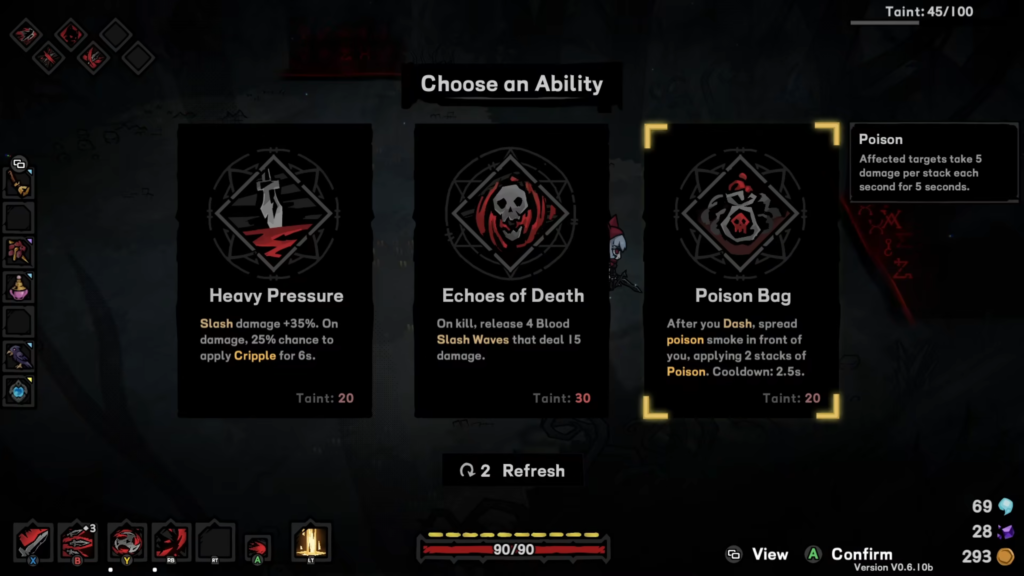
Stacking the right combinations of skills, modifiers and bonuses can lead to some boss-melting damage scaling. MyACG boasts that each hero has a combined 180 skills and hexes, creating plenty of build possibilities.
There’s technically no limit to how far you can push a build too, as long as you can deal with the consequences. Binding with a hex applies taint, and reaching 100 taint adds a random curse — some of which have real bite.
The curse system adds a nice risk-reward element to the game, especially late in a run when picking up a nasty penalty can stop you in your tracks.
That sense of discovery, experimentation and decision-making that comes with Cinderia’s build system outshines the combat and is central to how much you’ll enjoy it.
Roguelike Progression Isn’t for Everyone
It only took me around seven hours to clear my first run, and a lot of that had to do with the permanent upgrades I purchased in the hub.
The Shelter where you hang out in Cinderia is very similar to Absolum’s in that it hosts survivors you rescue out in the wild. You can expand it by building rooms using resources you collect from killing enemies, and most survivors offer you some kind of upgrade after they take up residence.
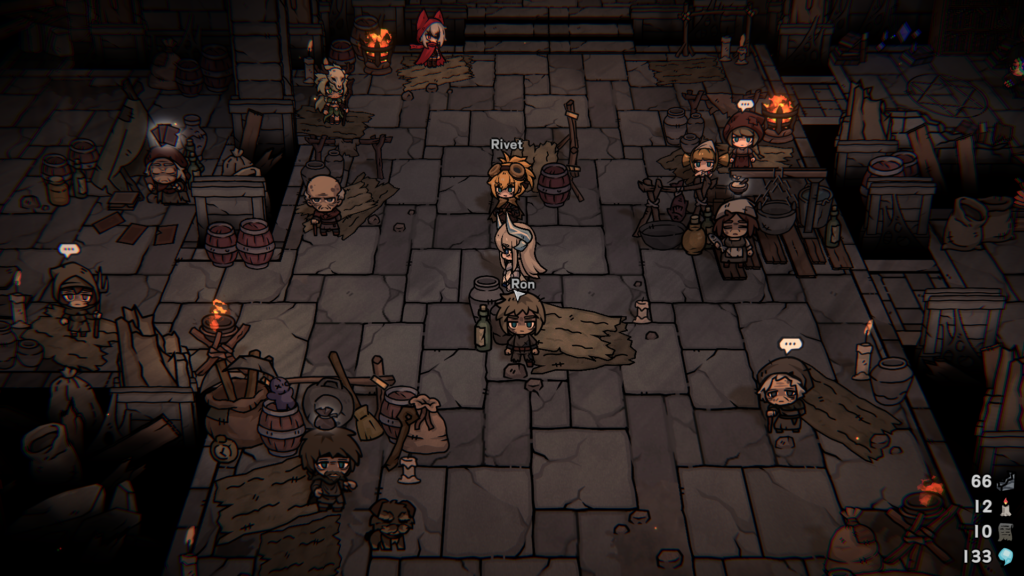
Those include a variety of different things ranging from stat boosts to drop rate increases for certain items. The most important of these, however, are without a doubt the free revives and health upgrades that all but guaranteed I would make it to level 3 each time I stepped outside.
Unfortunately, all these bonuses made combat a lot easier, drastically shortening my first clear attempt, and discouraging me from exploring powerful builds early on.
MyACG tried to balance this by rolling out its own version of Slay the Spire’s Ascension system. Every time you beat the game, you’re forced to apply a negative modifiers on your next attempt. The more clears you achieve, the more modifiers you have to apply before starting the next run.
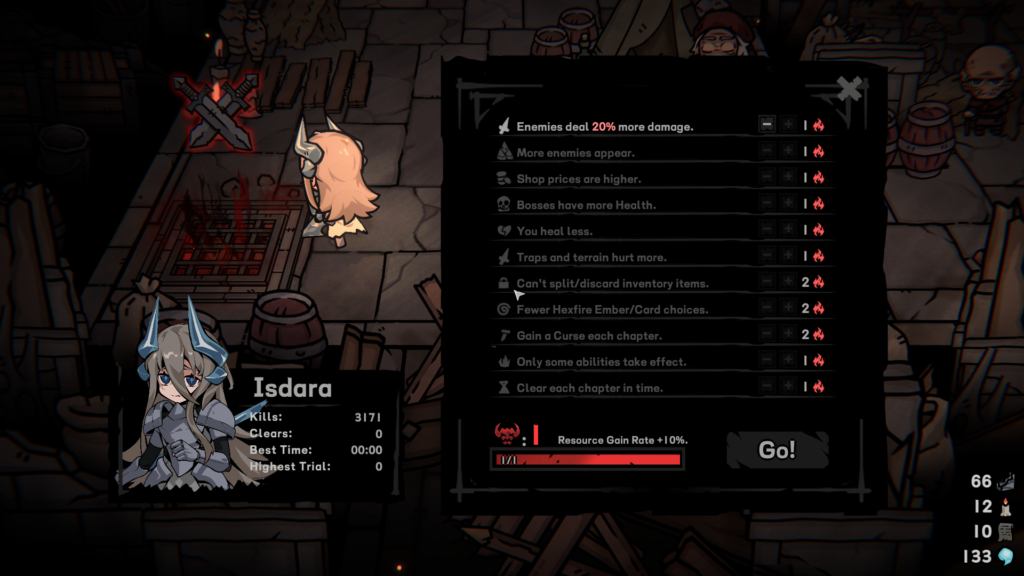
Some of these modifiers are brutal. One increases damage from traps by 400%. Others increase damage you take or apply new curses after each level. The penalty system does justify spending more time exploring hex combinations, but it directly targets fans of roguelikes who like to chase increasingly bigger challenges.
Format is Baked Into Early Access
That would be my main warning about grabbing Cinderia in Early Access or even post-launch. It’s so rigidly a roguelike that you have to like that format to get the most out of it.
It has nice graphics and tight gameplay, but the limited amount of content and endless repetition will probably be an issue for gamers looking for a more traditional style of game.
Boss fights are a good example of this. I found them all fun and challenging during my first few playthroughs, but they eventually started to feel more like checkpoints after my tenth attempt — never mind my 25th.
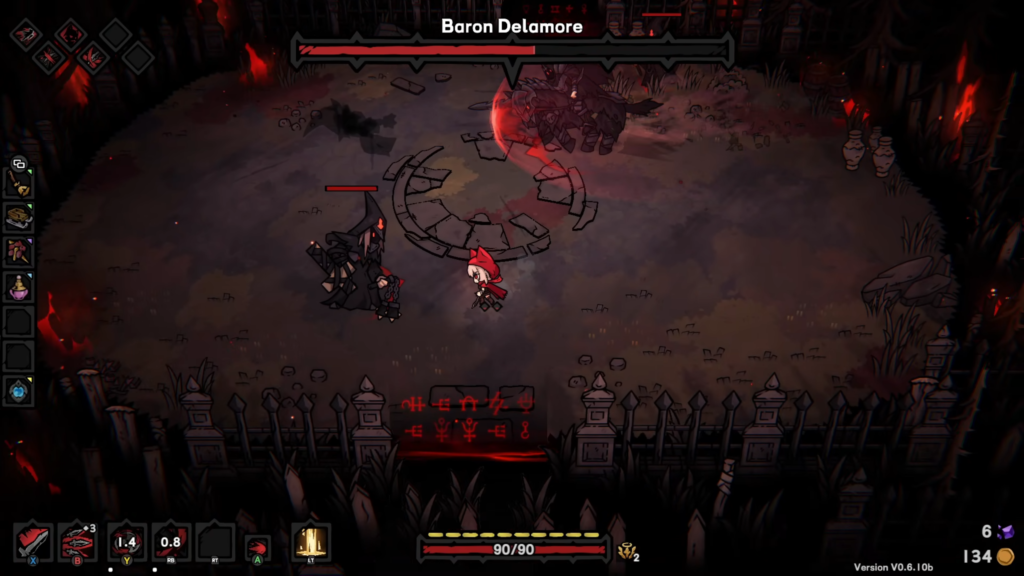
Same goes for the levels. You’ll eventually recognize most of the room layouts, traps and enemy combinations waiting for you, and figure out how to deal with them all even without having a powerful build.
Other solid roguelikes I’ve reviewed, like Absolum or Cult of the Lamb, break that up with a strong narrative or deep city management. Meanwhile, Cinderia’s angle is staunchly focused on build variety.
Now, the developers say in the Steam description that they intend to overhaul the narrative and add more characters. That might help runs feel a little less predictable, but no matter how much content they might add, I still feel like Cinderia is locked in as a prototypical roguelike.
If you like that, great! This is a strong remix of the genre worth diving into. If you’re not sure, I could point you to some other $20 games that would give you a fuller single-player experience.
Leave a Reply