
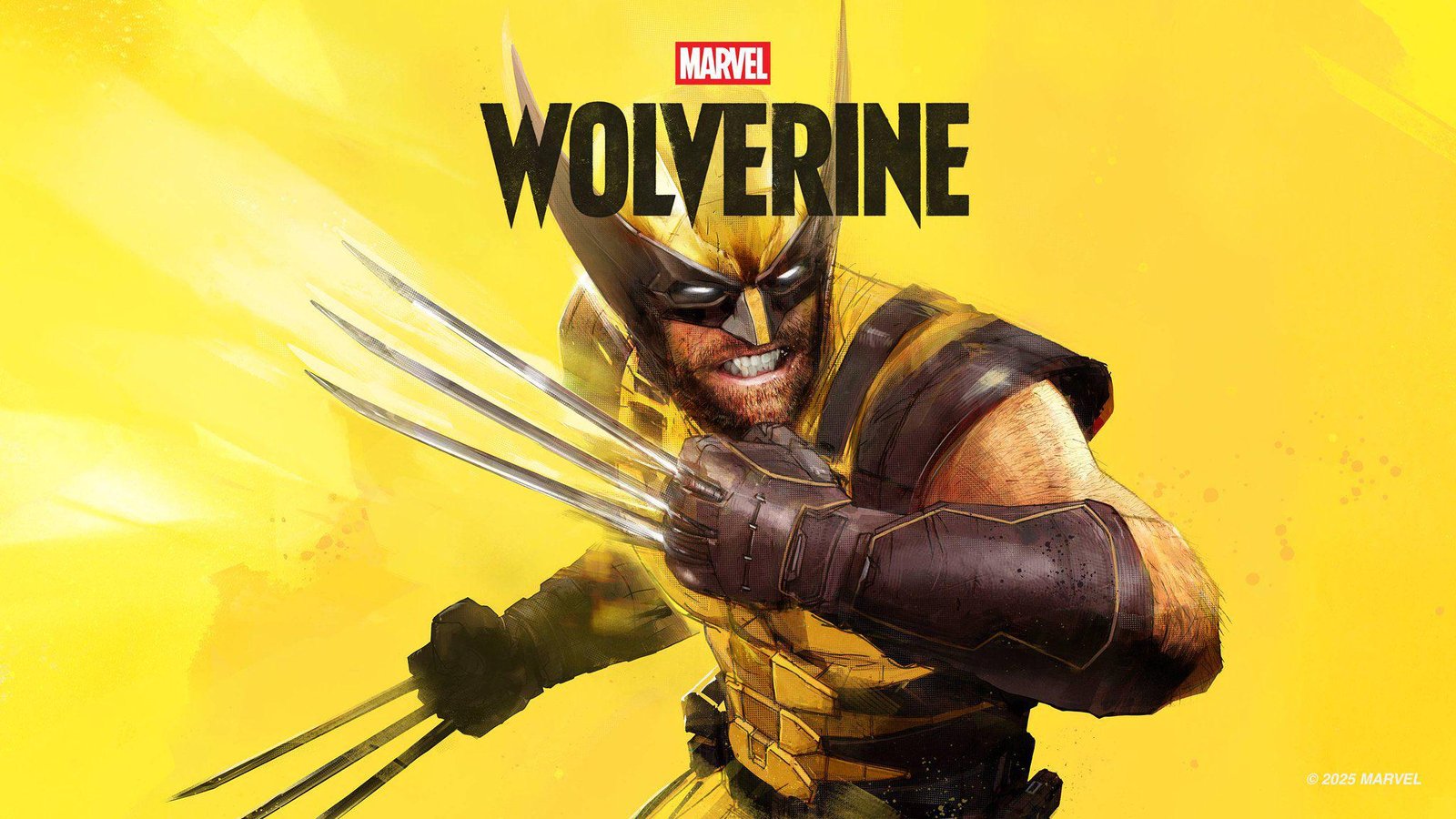

Wolverine is a character whose appeal lies in contradiction. Beneath the aggression, knife-like claws and seemingly indestructible exterior is a man burdened by a past he cannot escape, struggling to reconcile his capacity for violence with the humanity he desperately wants to preserve. Bringing that complexity to a videogame requires more than a character who can tear through enemies effortlessly. It requires an understanding of what makes Logan compelling in the first place.
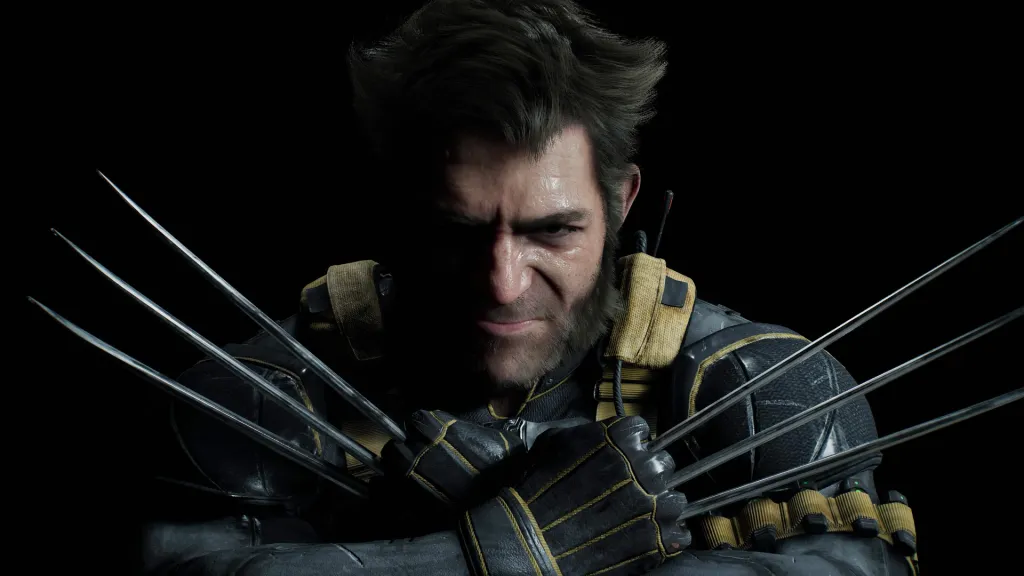
Insomniac’s Marvel’s Wolverine has some of its greatest successes in exploring that contradiction. Its cinematic presentation, expressive facial animation and performances give the characters an emotional credibility that makes even small interactions worthwhile, and its combat is genuinely brutal. But the more interesting moments are the ones that reveal the person behind the brutality.
The experience isn’t without frustrations. Simplistic level design that works against Logan’s nature as an agile hunter, paired with very simple gameplay, can make things monotonous. Exploration can feel unrewarding or nonexistent, and certain narrative beats lack the clarity needed to show their full significance. Still, the game demonstrates a strong understanding of the character at its core. Its most effective moments come not only from unleashing his rage, but from the trauma, loneliness and complicated relationships behind it.
The Man Beneath the Rage
One of the game’s most effective aspects is its willingness to explore Logan beyond the violence. Wolverine suits an action game, but his appeal has never been limited to ferociously disemboweling one man while decapitating another. His long history, emotional baggage and difficulty maintaining relationships provide fertile ground for a character-driven story. Insomniac seems very comfortable there, letting the characters around Logan reveal things about him that a conventional action sequence couldn’t.
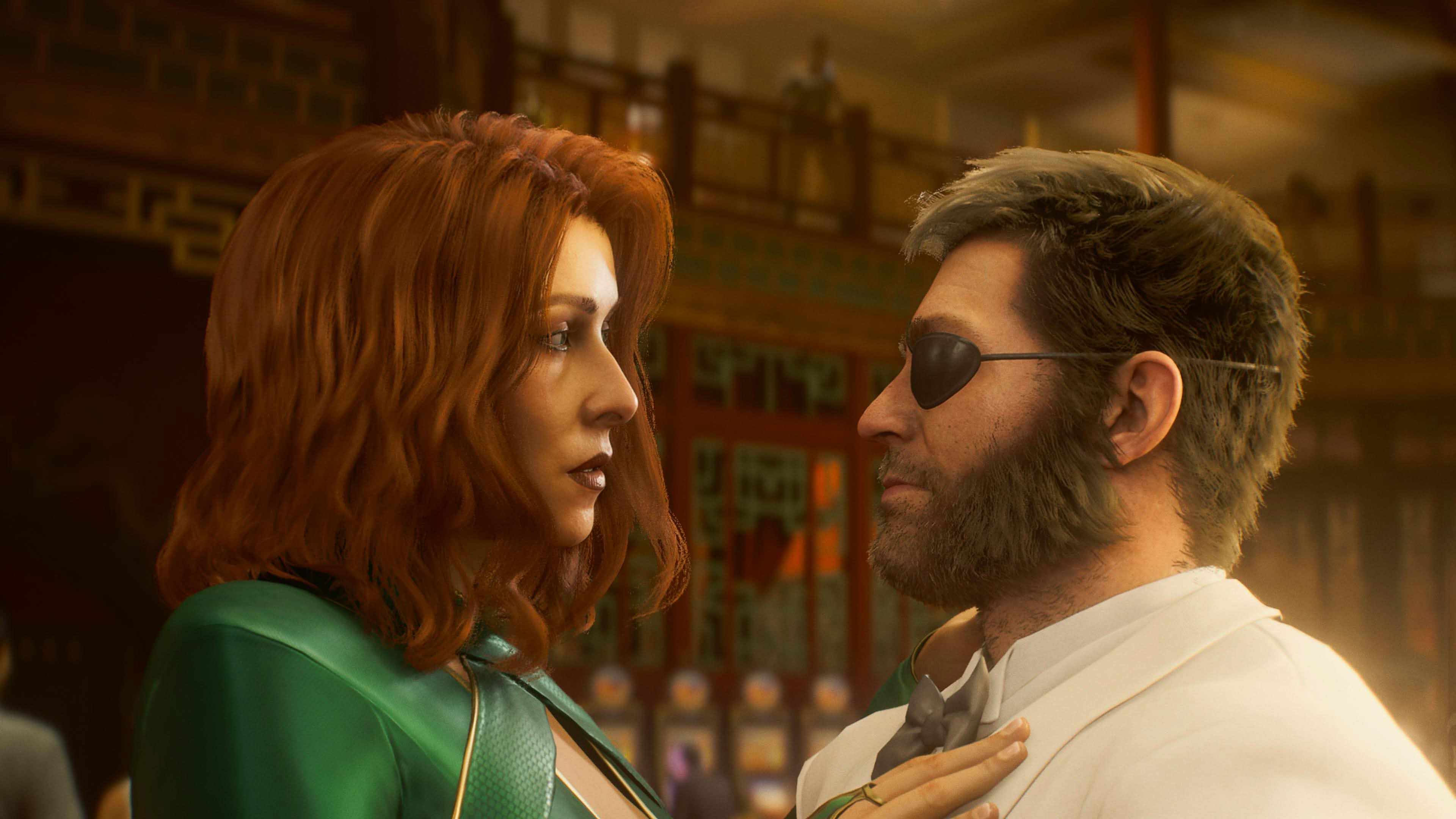
This is clearest in the interactions between Wolverine and Team X. Logan’s role in keeping the group together is an interesting counterpoint to his volatile reputation, and the team’s casual exchanges suggest a history beyond the story’s immediate events, giving their relationships a comforting, lived-in quality. A standout example is Mystique’s remark about Wolverine missing her wedding, and Logan showing genuine guilt. It’s a small moment that implies an intimate past without an elaborate flashback or lengthy exposition, and the characters share many more like it: grievances and memories that exist independently of the player’s objectives. To me these moments were incredibly valuable. Rather than every conversation serving the plot, the characters behave like people with their own histories and frustrations, a naturalism that grounds a story otherwise operating in the heightened reality of superhero fiction.
The game also explores the vulnerability beneath its characters’ outward personalities. Sabretooth benefits from the treatment of his loneliness. A character so often defined by brutality can easily become one-dimensional, but letting loneliness in, amplified by his animalistic need for a pack, adds a more complicated emotional dimension. This doesn’t make his actions sympathetic, but it offers another way of understanding the person responsible for them.
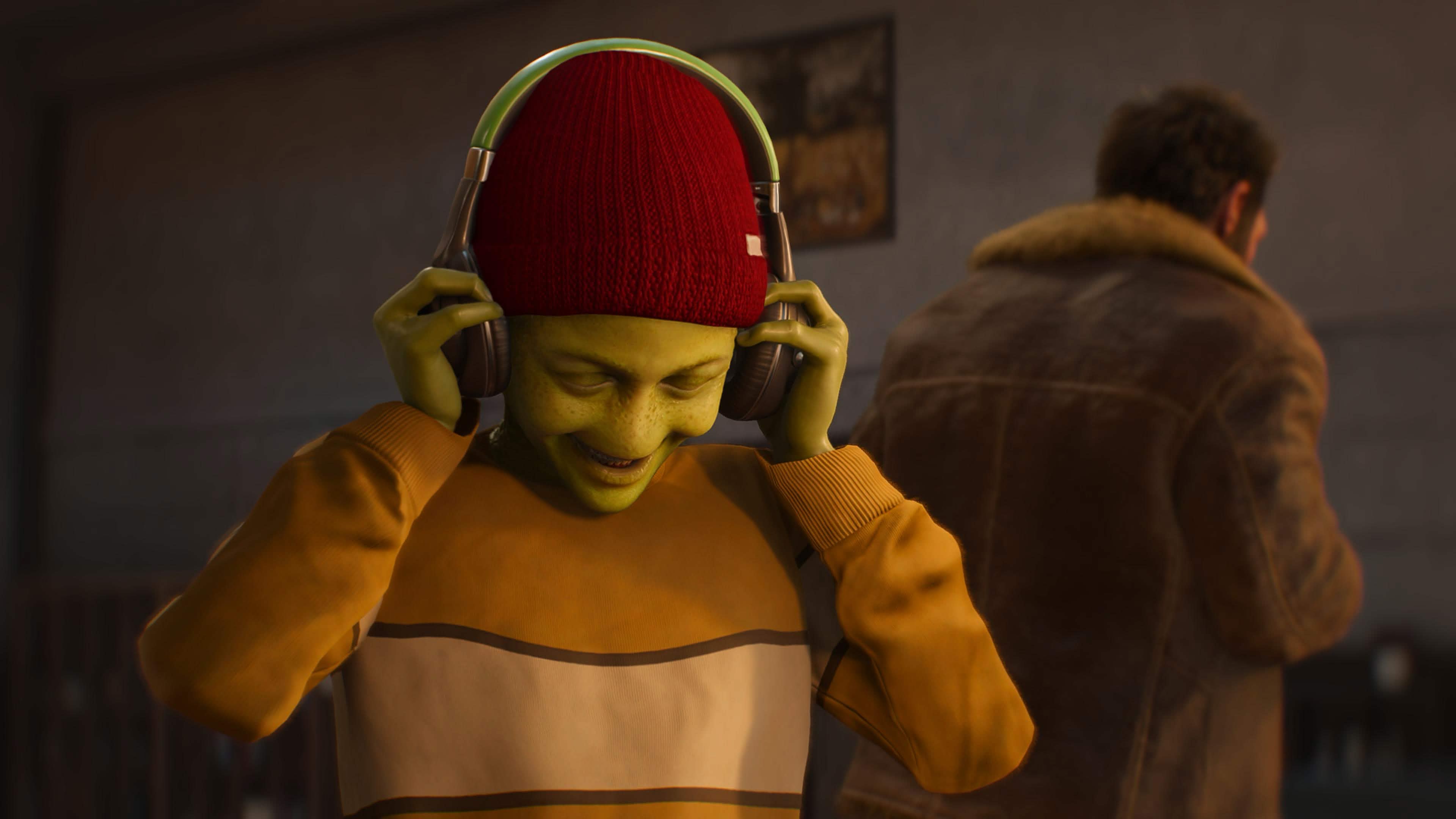
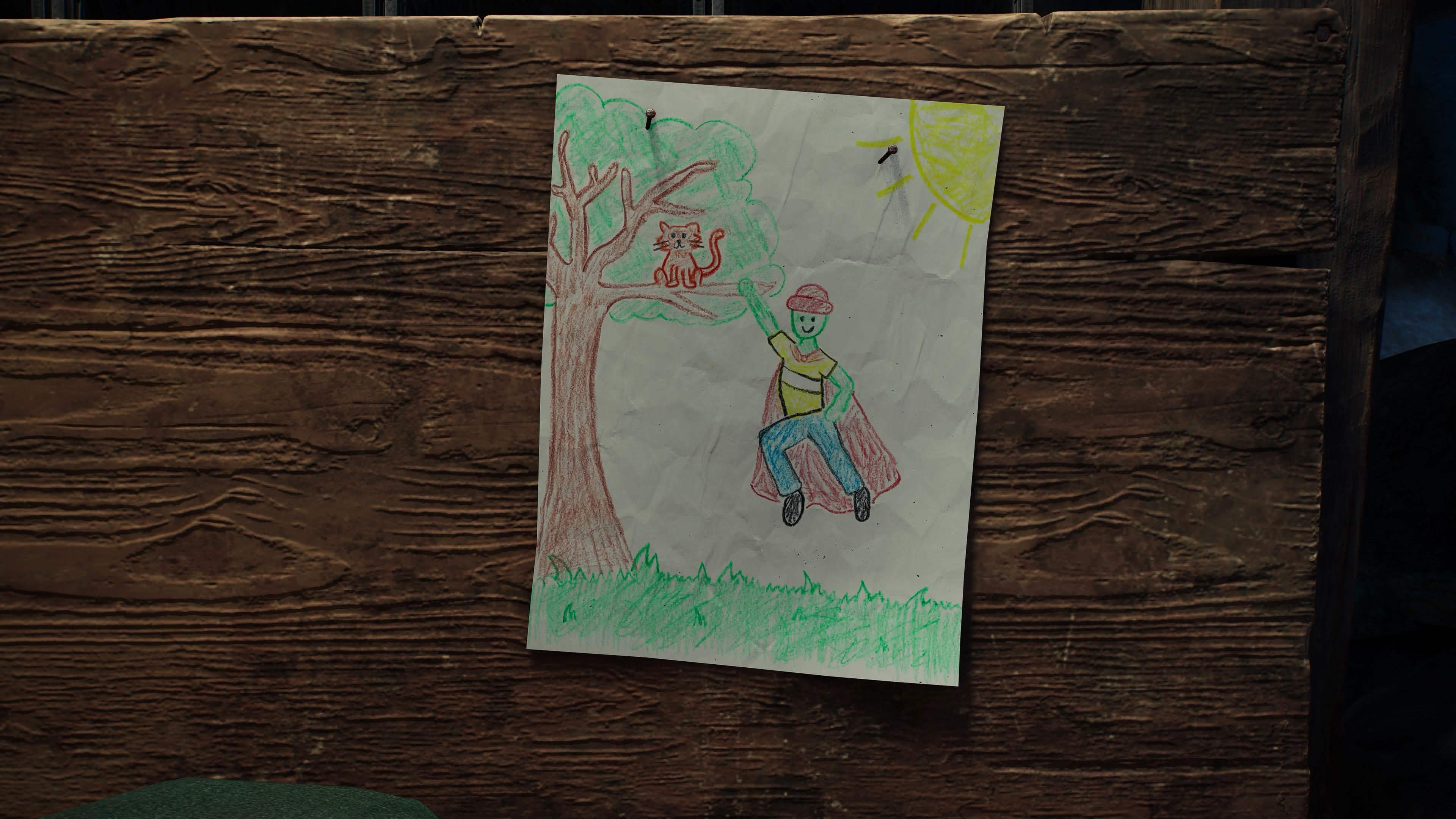
Leech is another memorable example. In his voice recording, he initially roleplays as his mother and a friend before revealing his own insecurity. The shift in tone gives the recording a shocking emotional progression, from what looks like an innocent performance to something far more revealing. I loved the decision to explain his emotional state through an isolated recording rather than dialogue with another character, because it lets the player hear the gap between the role he wants to inhabit and the vulnerability he struggles to express. It’s exactly the kind of detail that gives exploration a narrative purpose: a collectible becomes more than a trophy hunt and offers a brief chance to understand someone who would otherwise remain on the periphery of the story. It’s a huge letdown that this started and stopped at Leech.
The treatment of Logan’s psychological trauma is similarly promising. The Nightmare Doors are a compelling concept, a way to explore repressed memories the player won’t experience firsthand. For a character whose healing factor makes physical injury almost inconsequential, confronting those experiences through surreal challenges is an appropriate way to represent a mind that can’t simply heal itself. The execution doesn’t always make the most of it, though. Presenting this material through text risks emotional distance, and given Liam J. McIntyre’s excellent performance as Logan, narrated sequences or fuller cinematic presentation could have given these moments far more weight.
The wider narrative is less consistent. Nathaniel Essex’s apparent similarities to Charles Xavier make for an interesting comparison, particularly in their respective approaches to mutants and their place in the world. The ideological opposition between Essex and Trask is also potentially compelling: one seeks to eliminate mutants, while the other begins to unveil a pursuit of a future in which mutants reign supreme. Though their desired outcomes differ, both threaten the possibility of coexistence. Essex’s personal history, including his losses, medical practice and the rejection of his claims about mutants, could also ground his worldview. Personal suffering can explain how a character arrives at an extreme ideology without excusing it. A compelling antagonist doesn’t need to be justified, but their motivations should be developed enough to make their actions intelligible.
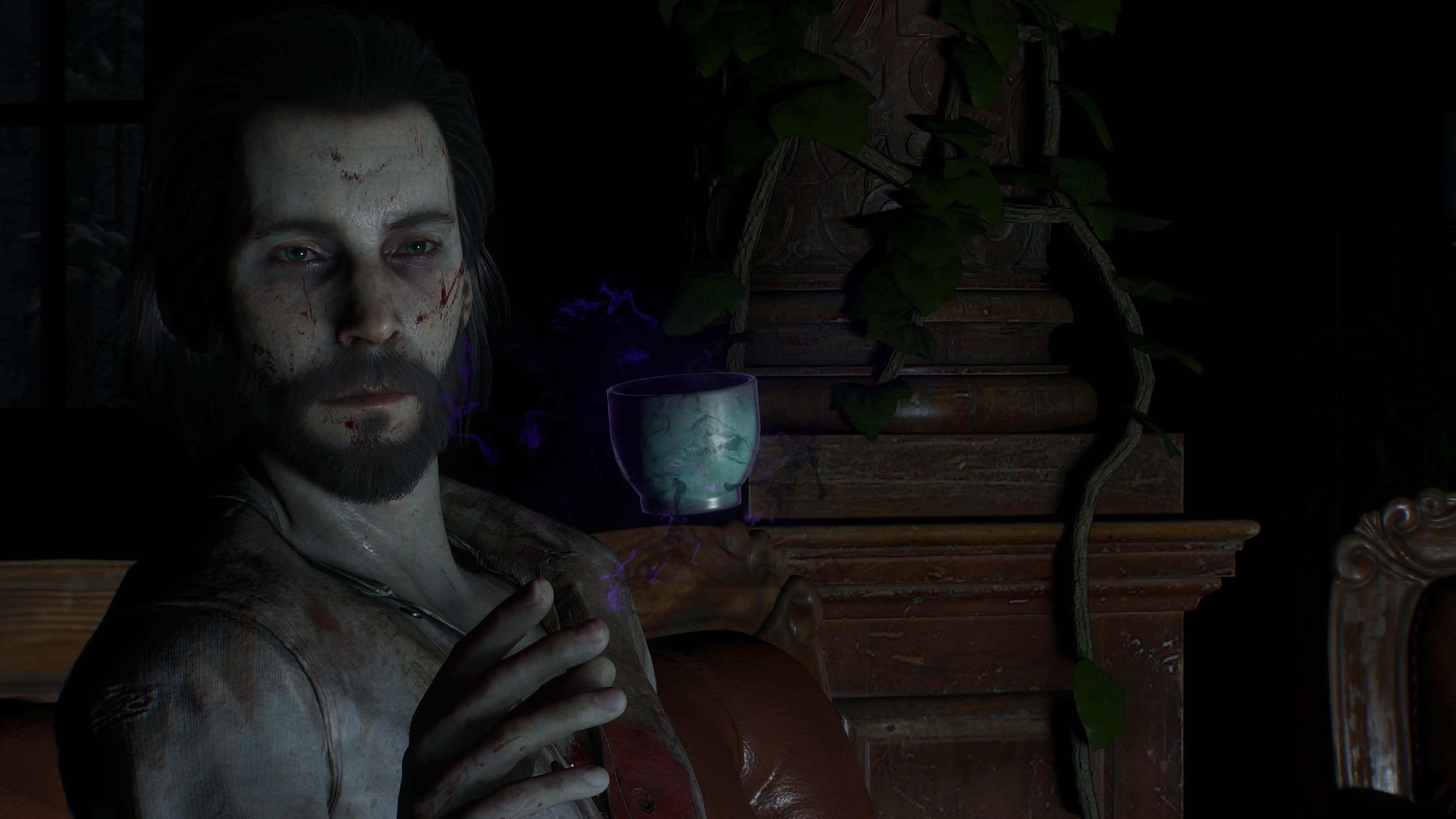
Where the story loses me is when larger developments become hard to follow. The Apocalypse/God of Death subplot left me uncertain about its significance and how its ideas fit together. Ambiguity can be effective when it encourages interpretation, but there’s a difference between deliberately withholding information and leaving the audience struggling to grasp the basic implications, especially when you deviate so significantly from traditional Wolverine stories. Ultimately, the game’s strongest character moments are its most intimate, and its character work can be more affecting than some of its broader plot developments.
Unleashing the Wolverine
A game starring Wolverine has an immediate challenge: the player must feel powerful enough to inhabit one of Marvel’s most formidable fighters, while combat still offers enough resistance to stay engaging. If enemies pose little threat, his strength makes encounters trivial. If combat is too scripted, the player becomes a spectator to the character’s brutality rather than a participant in it (we’re sick individuals).
One of the more effective aspects of the very simple combat is how reactive it stays even during its most cinematic moments. Enemies can interrupt executions and killcam sequences, so encounters don’t always unfold to a predetermined rhythm, and the player can’t assume an elaborate finishing animation marks the end of the threat, or of the other enemies. That’s a small design choice, but a significant one. It adds intensity, since you can hide behind those immortal frames, and keeps unpredictability alive.
Enemy dialogue also contributes. As Logan’s rage rises, both enemy and companion AI acknowledge the escalation, letting you hear how the people fighting against and beside him perceive his growing fury. I’m a massive fan of this in games. It connects Logan’s physical and mental state to the world’s reactions, rather than relying only on visual effects or animations to say he’s going berserk. His rage becomes tangible and in the player’s hands, not a narrative idea that appears in cutscenes or scripted moments and then disappears until the game decides it’s acceptable.
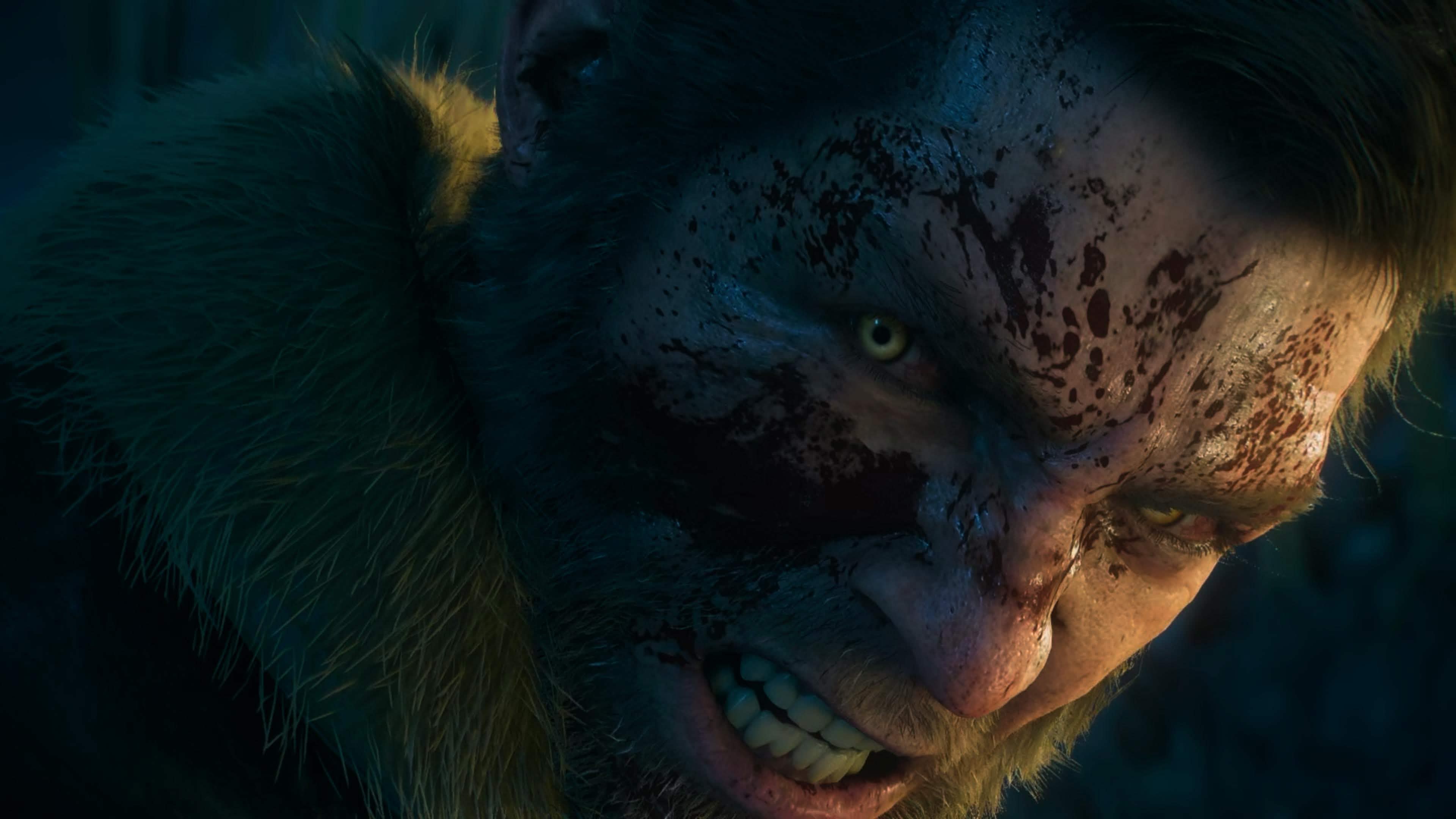
Unfortunately, this understanding of player agency isn’t applied consistently. The challenge sequences are undermined by how readily Logan explains their solution. Normally, games offer hints after a player has failed repeatedly, but here Logan identifies what needs to be done the moment you enter an area, never giving you a chance to figure it out. That’s made worse by the overly simplistic level design (more on that shortly), which gives the impression that the game is forcing you through as quickly as possible.
The contrast is interesting. Combat feels spontaneous because enemies can disrupt expectations, while puzzles feel overly controlled, as though either I or Logan had our head hit one too many times and need the answers before we see the question. The combat’s reactivity shows how to keep players engaged in the moment despite a lack of layers, while the guided trials show the limits of an approach that won’t let players discover things themselves. That arguably goes against Logan’s nature as an incredibly adaptable individual.
Just because your game is linear doesn’t mean the gameplay should be.
Exploration is most rewarding when it gives the player a reason to pay attention: a useful reward, a hidden area, or the chance to learn something about the world. In a narrative-driven game, it can also deepen the story by surfacing details that wouldn’t fit the main sequence of events.
Marvel’s Wolverine shows an appreciation for environmental atmosphere, particularly in its Japanese locations. The art direction establishes a distinct sense of place, and The Hand-incense room stands out as an example of how a carefully realised environment can leave a lasting impression. But an attractive environment doesn’t automatically make exploration satisfying. If every discovery is too obvious, or there’s little to discover, exploration becomes a completionist formality rather than a detour the player is curious about.
This isn’t really about the scent trail for whiskey bottles or the audio cues for caches. It’s the lack of meaningful exploration, especially in open areas like the Shinjuku level. There are few collectibles that tell you about the world outside the main narrative. For a Marvel game, this could have been done effortlessly: tease future characters, or include simple references to the wider universe. Take it a step further with stories about locals and their run-ins with mutants, the Hand and Sentinels, and how the broader narrative affects the inhabitants of a location, past or present, and I’m in.
Level design also needs a consistent relationship between the player’s actions and the narrative, and the Leech birthday area is where that gets less convincing. You can explore the location before the story formally introduces it, yet the subsequent in-game dialogue behaves as though it’s being encountered for the first time. From the player’s perspective the location is familiar, but from the narrative’s it’s new. It’s a minor discrepancy, but it undermines immersion because the story seems unaware of what you’ve already done. This is common in games that encourage exploration before advancing the main objective. The narrative needs to account for that freedom where possible, or the game treats the environment as both an open space to investigate and a tightly controlled sequence of story beats. In a game with limited freedom like Wolverine, that can feel overly restrictive, or “too linear,” unlike The Last of Us Part 2, which has this linear structure perfected.
The result is a mixed approach. The art direction creates spaces worth looking at, but the systems guiding discovery make exploring feel overly straightforward, and inconsistencies between player movement and narrative progression occasionally break the illusion that the world responds to you. The environments are more consistently successful as spaces to experience than spaces to investigate. The strongest leave an impression through atmosphere and visual detail, while the exploration mechanics leave too little uncertainty for discovery to feel rewarding.
Insomniac at its Cinematic Best
I’m a sucker for performance capture and animation, and the presentation is one of Marvel’s Wolverine’s clearest strengths. Insomniac’s experience with cinematic action games shows in the facial animation and cutscenes, which I consider among the studio’s strongest work to date, a satisfying comeback from its seeming regression in Marvel’s Spider-Man 2. Expressions and performances give weight to the interactions and make intimate, emotional moments damn near palpable, especially with the main cast: Logan, Jean, Sabretooth, Mystique and most definitely Essex (I’m Troy Baker’s number one glazer).
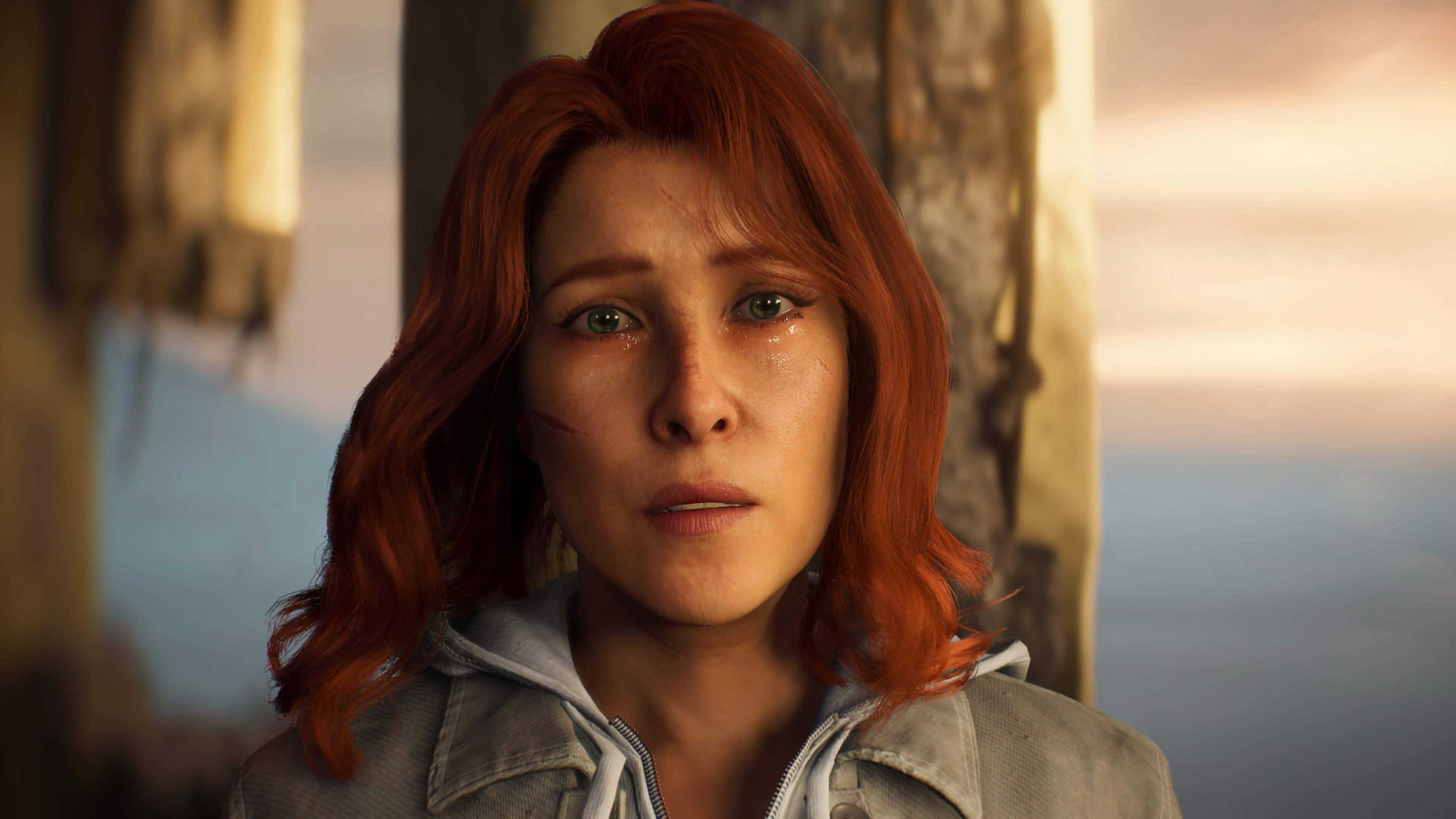
Facial animation matters in a story centred on a character often defined by what he refuses to say. His strength and aggression are instantly recognisable, but his emotional complexity depends on moments when those outward traits don’t reflect what he’s experiencing. Expressive animation can communicate hesitation, frustration or vulnerability without articulating every feeling.
Liam J. McIntyre’s performance as Logan is another highlight, a Best Performance-worthy display. His voice work gives the character a strong presence and is particularly effective in the Nightmare Door sequences, where the narrative turns to Logan’s internal struggles. Confronting repressed trauma depends on the player connecting with the character’s emotional state, and the performance provides a compelling foundation.
That’s why the Nightmare Door presentation feels like a missed opportunity. The idea is strong, and McIntyre shows how effective Logan can be when given space to express himself, yet the material is presented through narrated passages instead of cinematic scenes. Narrated text can work, particularly when players read at their own pace, but it puts more responsibility on the player to supply the visual and emotional delivery a full performance would provide. In a sequence about memory and trauma, the difference between hearing Logan confront it and seeing him do it could be substantial. A cinematic version wouldn’t need to explain everything or remove ambiguity. It could use GOATintyre’s performance, supported by animation and visual direction, to make the emotional significance more immediate. The issue isn’t that text is inherently inferior, but that the game has a strong performance available and doesn’t always take full advantage of it. Alas, maybe I’m just being greedy because the performances were that good.
Taken together, the facial animation and performances show a confident cinematic approach that makes the characters emotionally credible and does justice to the actors. The main frustration is that some of the strongest storytelling ideas aren’t presented in the form best suited to their emotional content. Wolverine is most impressive when its visual and vocal performances work together, which makes the moments when the storytelling feels less fully realised more noticeable.
Final Verdict
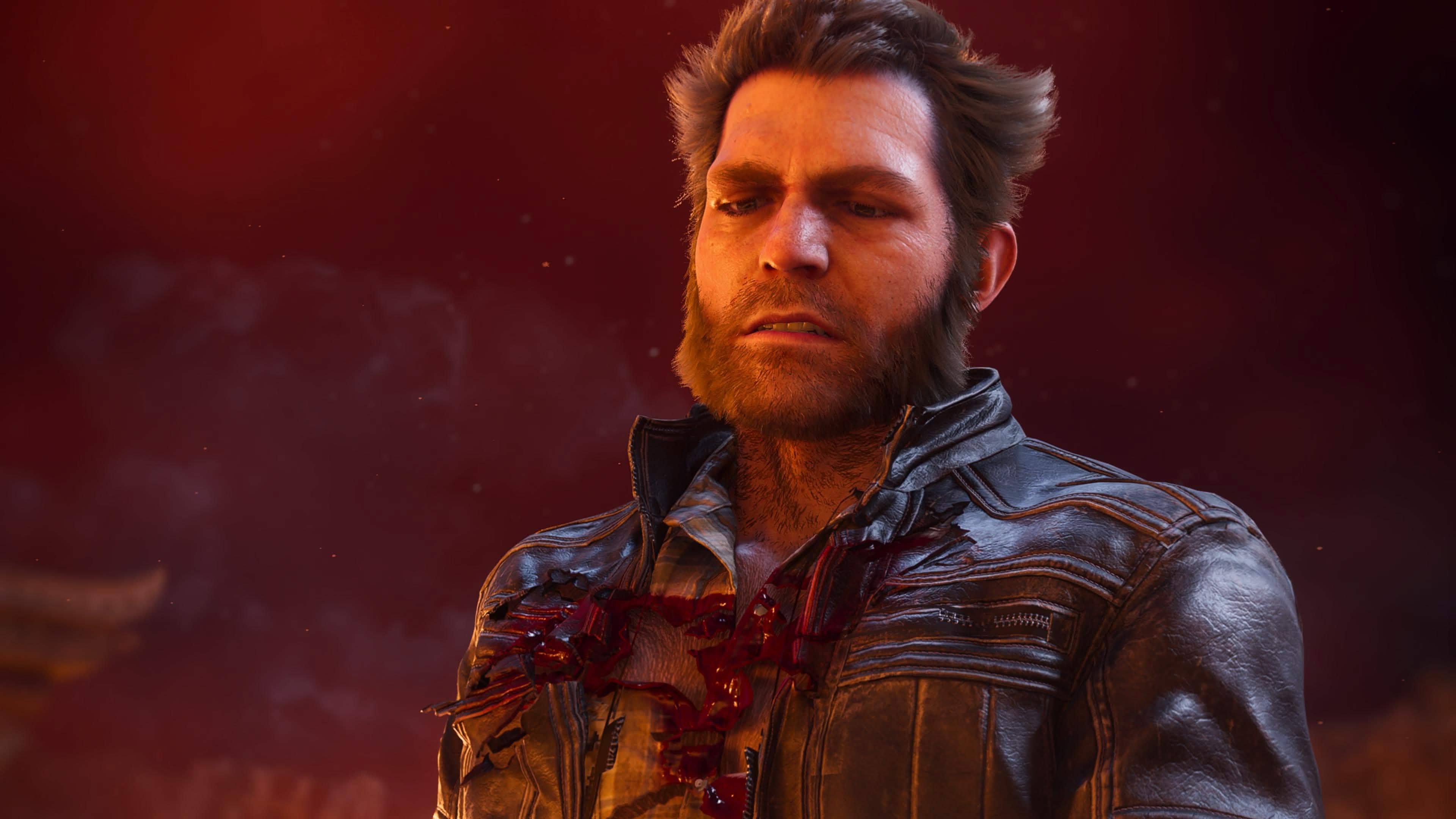
Marvel’s Wolverine is at its best when brutal, reactive combat meets thoughtful characterisation and exceptional cinematic presentation. Its expressive facial animation, strong performances and quieter moments exploring Logan’s trauma, repressed memories and relationships give the experience emotional depth beyond its violence. However, overly guided puzzles, easy challenges and a lack of rewarding exploration occasionally undermine the gameplay, while some larger narrative developments lack clarity. Despite these shortcomings, Insomniac delivers a compelling interpretation of Wolverine, one whose greatest strength is recognising the vulnerable, complicated person beneath the claws.
Ziiwizz says wait for sale
- 31 hours in
- PS5
- Bought it
Leave a Reply