
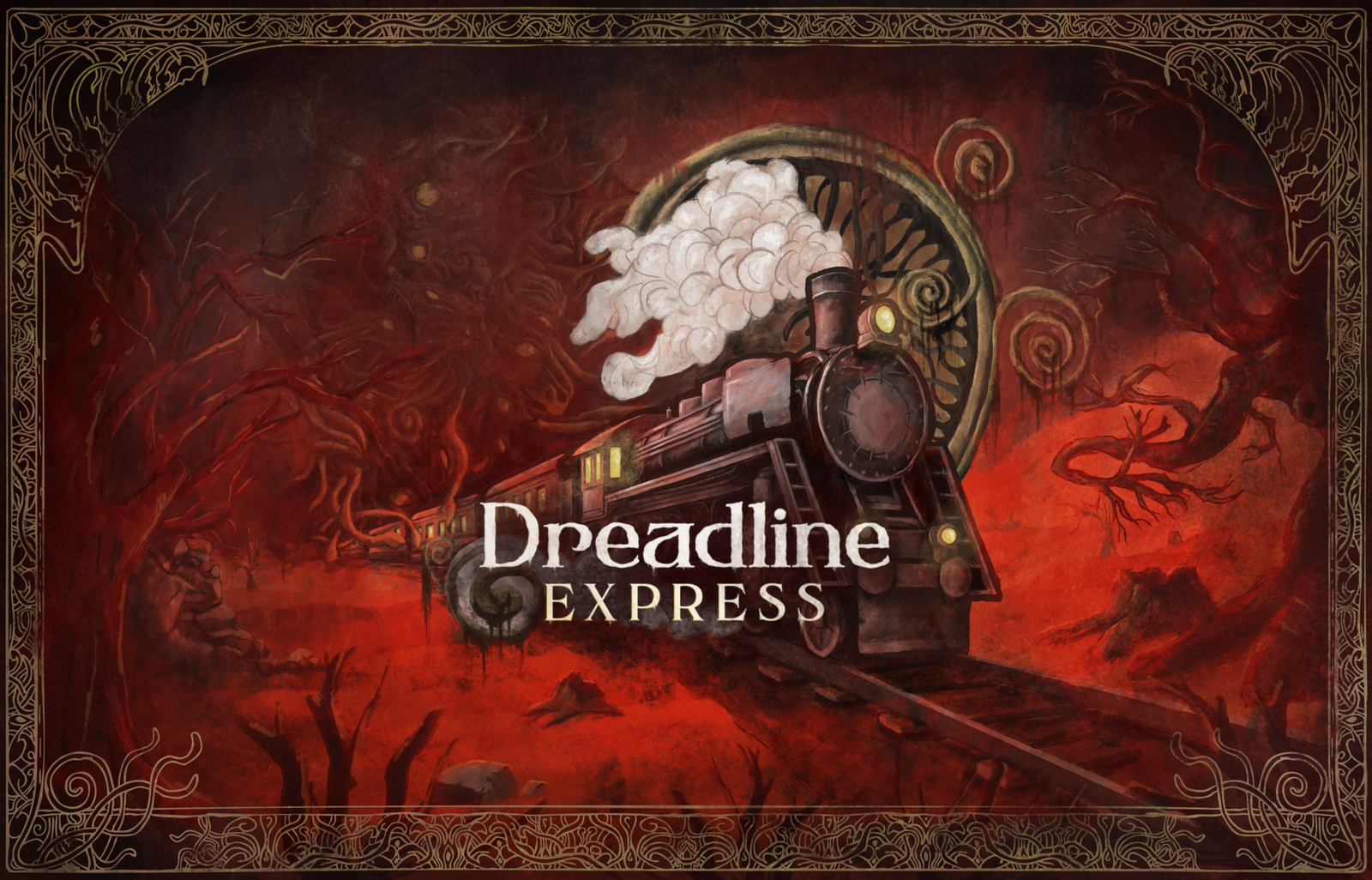

The end of the world. There’s no telling when or how it’ll happen, but its inevitable arrival has fascinated creatives for as long as I can remember. Zombies, aliens, Roland Emmerich shenanigans– its a subject often exploited by Hollywood in bold and bombastic movies. Most of the time, it centers around an especially attractive central main cast of our favorite celebrities embarking on a grand, action-packed adventure.
That standard couldn’t be more different from the game I’m reviewing today. Dreadline Express was released at the tail end of October 2026; an independent horror game that presents a unique version of the end of the world.
Wake Up, Passenger: The End of the World by Rail
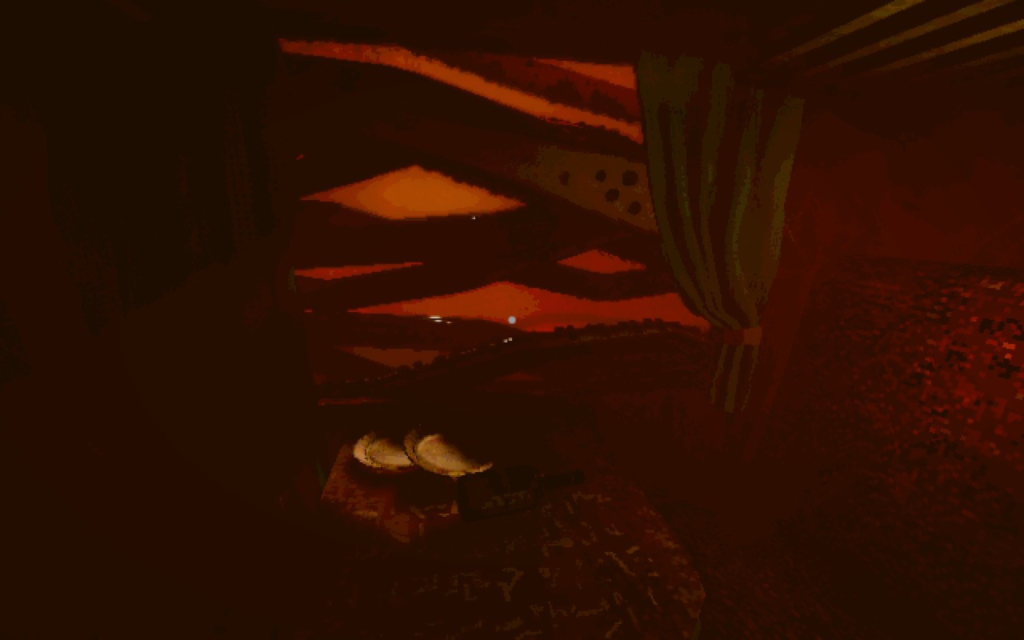
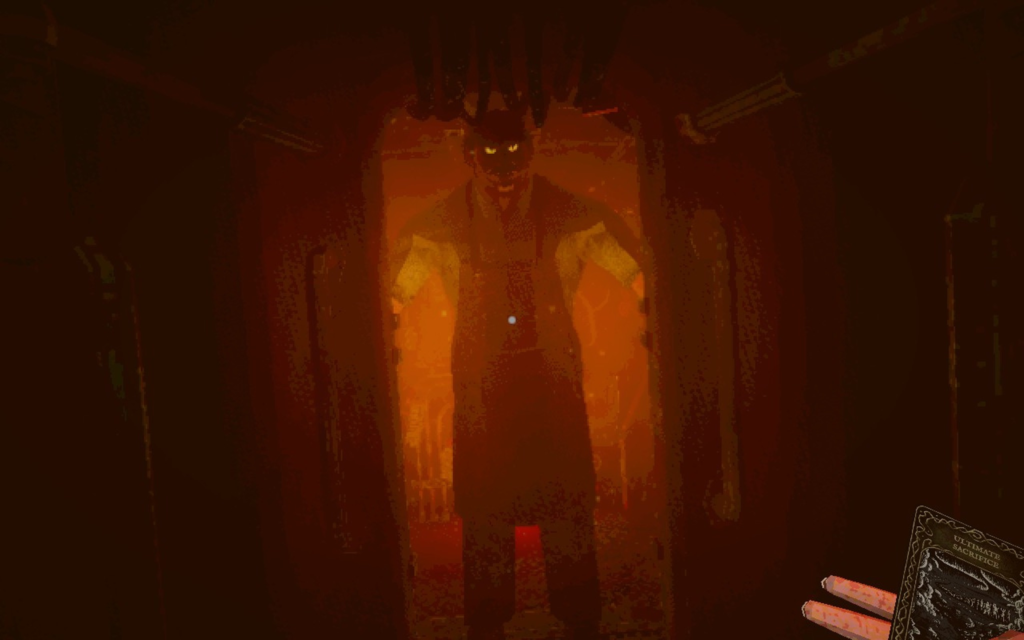
The setup is relatively simple: you awaken onboard a train, completely amnesiac as to who you are, why you’re there, or where the train is going. It is dark in your cabin, dimly lit by candles strewn around the dusty cabin. As your character adjusts to his environment, you begin to make out the room, illuminated by scattered candles. The air is thick with dust, an ominous orange glow steeps through the single window, and a siren alarm is BLARING.
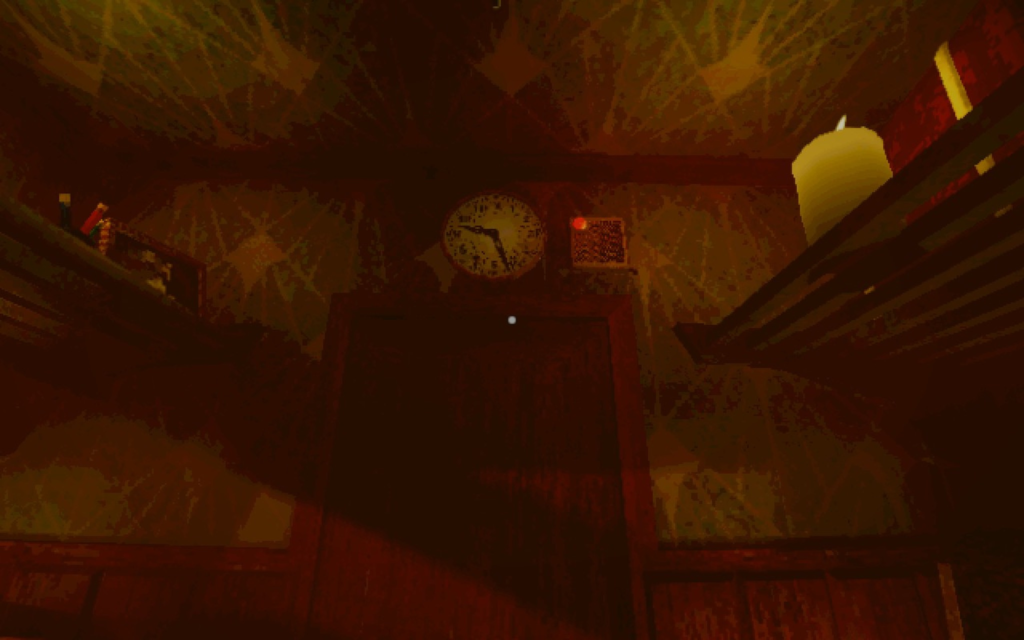
With a moment for our main character’s vision to adjust, we realize there is a speaker above the door to the cabin. The siren fades away until we hear crackling static from the intercom, and an unknown voice speaks:
“With immediate effect, free movement on the train is forbidden. We’ve been spotted again. The lottery is already in progress, and the chosen passengers will be informed of their situation without delay. We expect your full cooperation.
All hail the Supreme Engineer.”
A clock on the wall displays hour and minute hands erratically spinning out of control. The door to your cabin THUDS again and again, like someone is trying to enter the room. The orange haze outside of your cabin hides whatever is in the distance– but what you can make out are long, dangling tentacles crawling all over the glass, as though something is trying to get inside.
Right from the beginning, the initial setup presents a dozen questions:
Who is the voice on the intercom… who else is on this train…. why are they on the train… what is the creature outside the window… who is the “Supreme Engineer”?
Play Your Cards Right
This is where Dreadline Express reveals its gameplay mechanics. When you leave your cabin, you will not be killing zombies, shooting leviathan-esque monsters or driving the train. Dreadline Express is a dutifully crafted mystery game, which cleverly utilizes a trading-card style system as your arsenal to progress.
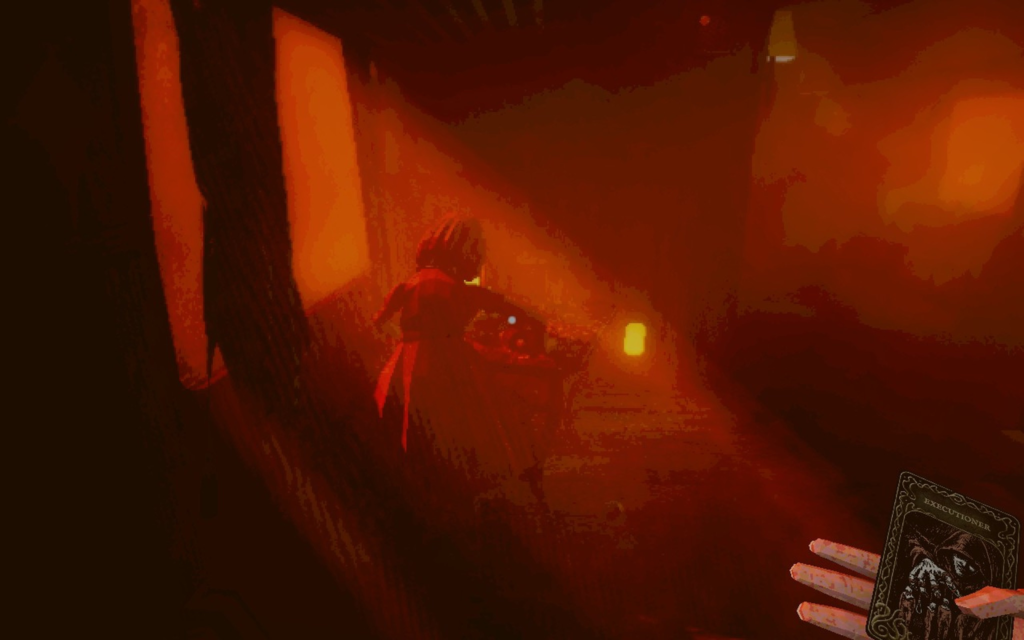
When you are making observations of the environment or talking to new characters, you will earn a trading card which is representative of that clue. For example, in your cabin you find evidence of your own identity: you are an apothecary, someone who is essentially a doctor or medicine man. This provides you with a single trading card, but this card is your weapon to learn more. When speaking with other characters, you can equip and use the card, which is especially helpful when they are in desperate need of medicine or a doctor.
As you speak to a variety of compellingly unique characters, your binder of cards will grow. You can also combine certain cards to achieve the results you want in a conversation, such as combining the card for your family members with the card for “loss” when talking to people in grief. It’s a shockingly satisfying gameplay loop; a clever combination of Bethesda/Telltale style multiple choice dialogue options combined with playing cards.
Every Passenger Has a Story
In the hands of a lesser development team, I could easily see this style of game failing to make these mechanics consistently engaging. You are spending the entire game in the same environment (the train), so a huge onus is placed on the writing of the characters, their dialogue, and the world around them. I am happy to say Dreadline Express is expertly written– especially the characters, who are rich with distinct personalities.
These character dynamics always provide the player numerous opportunities to make major decisions– decisions which will change the ending of your playthrough. This definitely helps lend to replayability, something I didn’t expect from a game of this size.
This story feels much more personal, focused, and well written than we typically see in independent games. It’s an exceptional debut effort and makes me very excited to see what David Konecy works on next.
When the Cards Don’t Cooperate
That’s not to say the game is absolutely perfect.
The trading card system, while typically being the most compelling aspect of its gameplay, occasionally leads to frustrating solutions. In certain instances, combined cards would not derive the results I expected from conversations, whereas in other cases the combination needed to progress was convoluted. It’s infrequent, but it occurs enough to find myself stalled once or twice.
My next complaint might be unfair, but I do also wish the ending provided more in terms of cinematic-style storytelling. I understand it’s a small game/budget/dev team, but I still found the ending to be mostly anticlimactic. This alone could have added a lot to the experience, maybe something along the lines of a quick cinematic. Even a slide show-style presentation, which would really benefit considering the game’s distinctive and beautiful art style.
Verdict: Next Stop, One of the Year’s Best Horror Games
Overall, I do think these complaints are minor. I myself am someone who does not usually play puzzle-focused games, but Dreadline Express rises above the standard we usually see from most independent horror games. The aesthetics are phenomenal, the writing is compelling, the world is meticulously layered, and the playing card gameplay loop is engaging. I am pleasantly surprised to say this is one of the best horror experiences of the year.
Brokowski recommends it
- 4 hours in
- Steam Deck
- Bought it
Leave a Reply