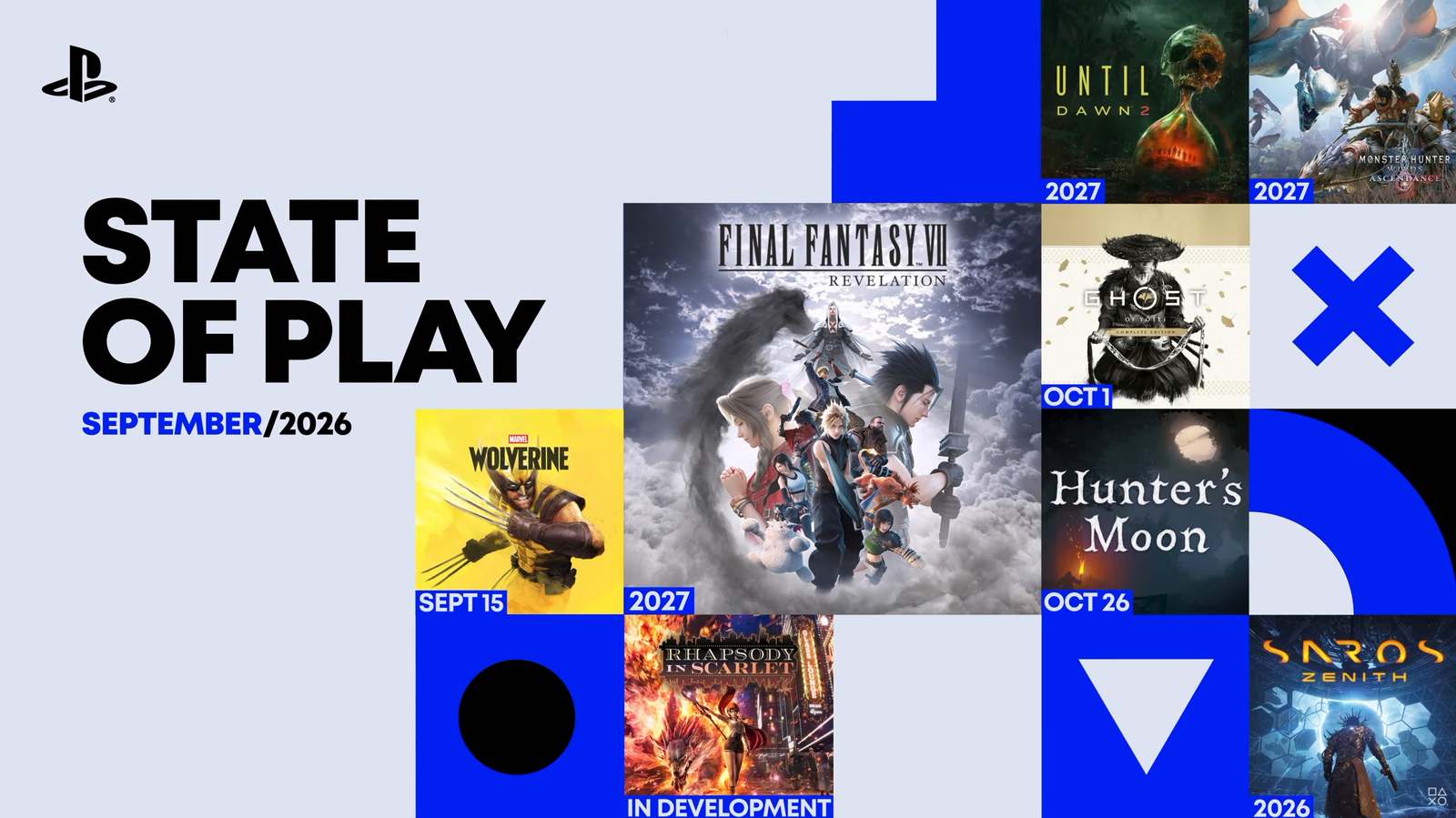

Sony’s PlayStation State of Play from September 3, 2026 highlights a really interesting shift in how the company is running these showcases going forward. It’s something we’ve seen coming for a long time, but today’s edition really crystallizes where Sony is trying to go, not just with their platform, but with their messaging toward players and even their first party studios. Let’s go through a few things that stood out today, along with my take on where this is all heading. Spoiler alert, I don’t love it.
More Wolverine, More Familiar Ground
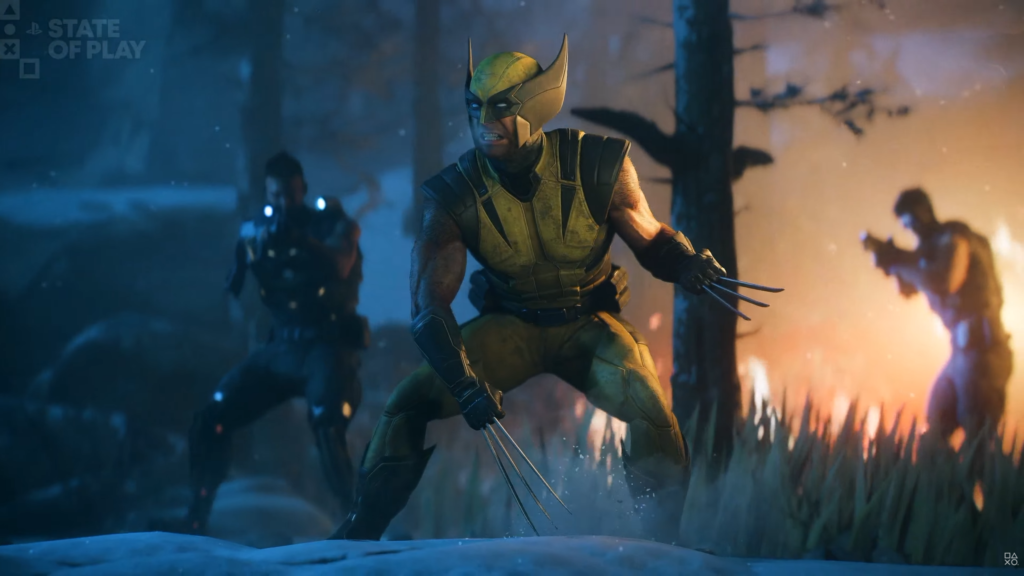
The show kicked off with more Marvel’s Wolverine gameplay, this time the launch trailer. This is a game I’ve been relatively low on. I don’t think it’ll be bad by any means, but I don’t think it’s going to knock anybody’s socks off either, at least not at full MSRP. That’s not a knock if you’re excited for it, but personally, it’s not for me. But what’s even stranger is showing off a launch trailer a full ten days before the game is set to go live. Wolverine has definitely had a very strange marketing campaign and this feels no different. It was definitely a nice way to kick off the show but I’d be surprised if I was the only one who felt like trailer still missed than final punch leading up to launch.
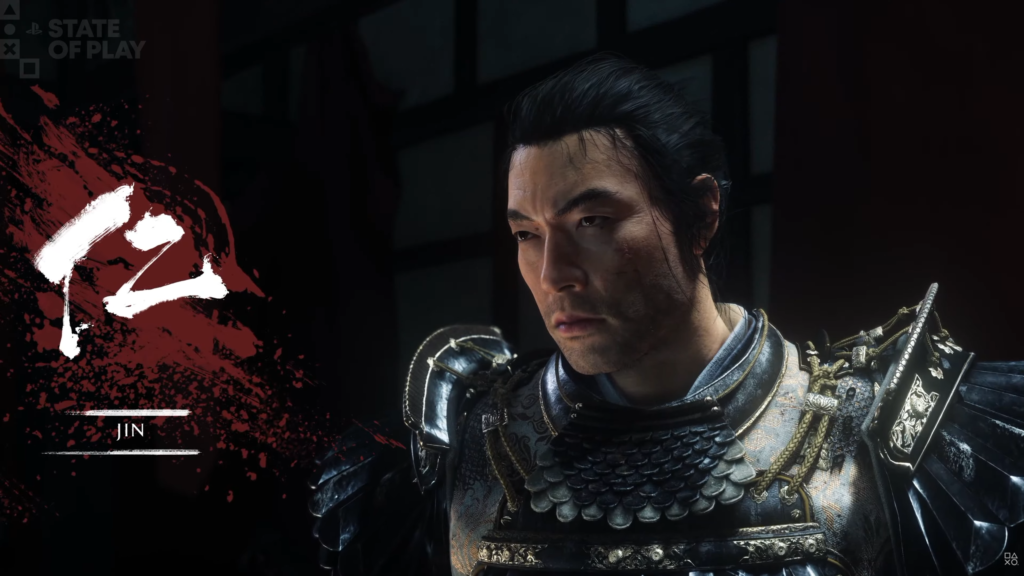
From there, the show rolled straight into Ghost of Yotei, showing off a new roguelite DLC mode that brings back some extra characters and looks like a good time, especially if you haven’t played the base game yet since it makes for a more complete package. This once again makes Ghost of Yotei an even better value proposition considering you now get a brand new mode and a full blown story DLC when you purchase the $15 upgrade for the complete edition. This is not even mentioning the full base game and the Legends mode dropped earlier this year. However, this announcement does feel like something should come in the middle of a show as a small moment rather than a secondary kick off alongside Wolverine.
What These Two Games Reveal About Sony’s Marketing Strategy
I bring up these two games specifically because they show what Sony is doing with State of Play to extend marketing cycles. Showing a game six separate times leading up to launch gets a lot of exposure out there, and for people who don’t follow gaming closely, that repetition works. They catch it here and there, see it in front of them constantly, and it might nudge them toward buying. This doesn’t even mention the numerous social media posts, limited edition console plates and controllers, and Insomniac themselves being very active with their community across socials.
For me personally, I feel like I have a good sense of whether I’m picking up a game after seeing one story trailer and one gameplay deep dive. Seeing it over and over again just takes the weight away from it, and honestly detracts from my excitement for these shows, because I know I’m going to see a lot of repeats of games I’ve already seen and already decided on. I somehow feel like I’ve seen both too much and too little simply due to the amount of exposure I’ve gotten to this game and I’m very curious if others feel the same.
The Yotei Problem: Extended Dev Cycles and Live Service Creep
Ghost of Yotei shows something else too, an extended development cycle that’s changing how these studios operate. I don’t want to say it’s harming the output of Sucker Punch, but Sony seems happy to let the studio keep working on last year’s game instead of moving the team onto whatever’s next. We don’t get exact numbers on how much of the team is still on it, but the pattern is clear and as fan of Sucker Punch’s games I do wish we got a full complete product on launch and then they were mostly free to move onto the next thing.
If you like Ghost of Yotei, this is great. But it’s also worth realizing this is probably delaying whatever Sucker Punch’s next project is, and it risks contributing to player burnout from seeing more and more Yotei content. Honestly, this kind of update could easily have been a series of social media posts or a small targeted ad campaign alongside the October DLC drop. It’s a good addition, but it increasingly feels like PlayStation’s first party games are being treated like live service platforms when their actual live service games fail to deliver.
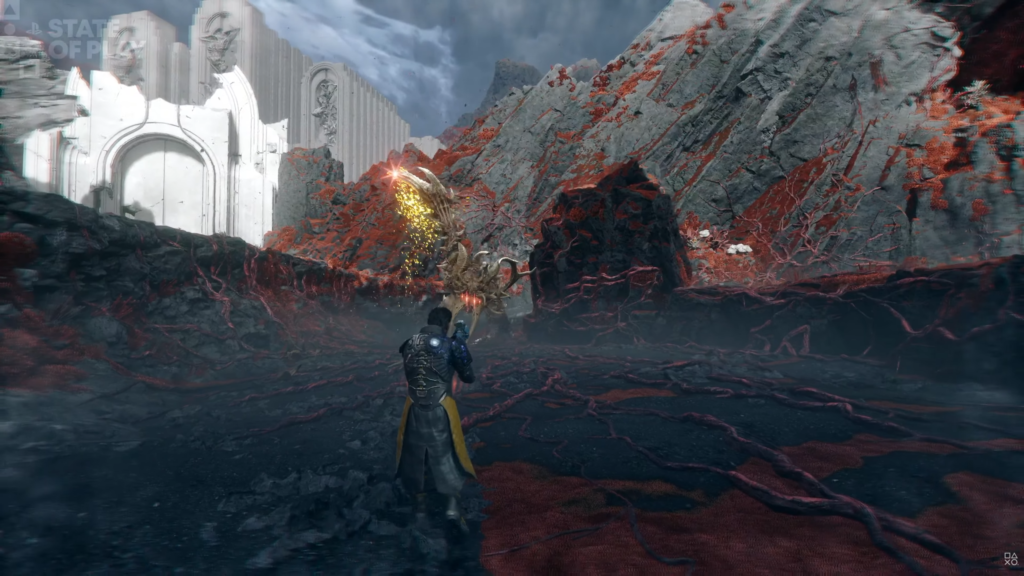
We saw the same pattern later in the show with Saros, where Housemarque has been adding accessibility features, extra modes, and a New Game Plus. Great if you like the game, but it comes at the cost of getting fewer new titles, and it takes away from the excitement of the show, since we already know a chunk of it will just be updates on things we’ve played. As friend of the magazine @PeterP_1985 likes to say on Twitter, most games are better a year or two after launch so why should I be buying it day one? I think this is a very valid perspective theses days and PlayStation is not proving this to be false with how much they continue to update and beef up their games post launch these days.
Are We Players or Investors
That leads to my bigger point: State of Play has become less of a showcase and more of a news update on what’s coming next for Sony, almost like an investor call, but for players. It shouldn’t feel that way, since they do show a fair amount of content, but as it settles into a quarterly rhythm, it starts to feel like, “here’s what you get from us over the next three months, here’s the best of it.”
Because of the extended marketing cycles, the heavy indie presence, and the close partnership showcases like Final Fantasy, you end up seeing the same games over and over. It stops feeling like a targeted marketing campaign and starts feeling like an overshare. I’m less excited because I already know what’s coming, and that’s before factoring in leaks, which only compound the problem.
Good Pacing, But Missing the Heavy Hitter
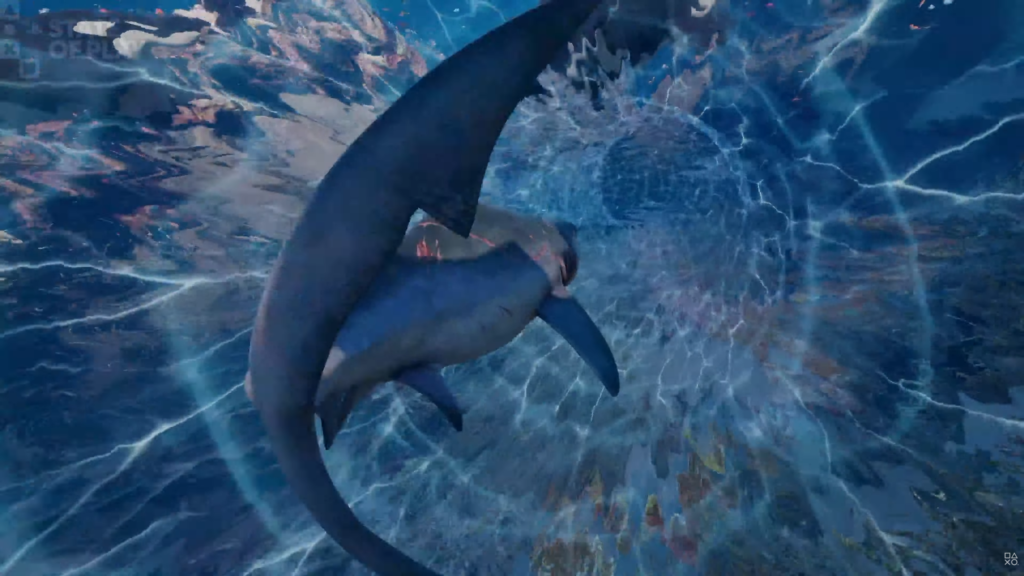
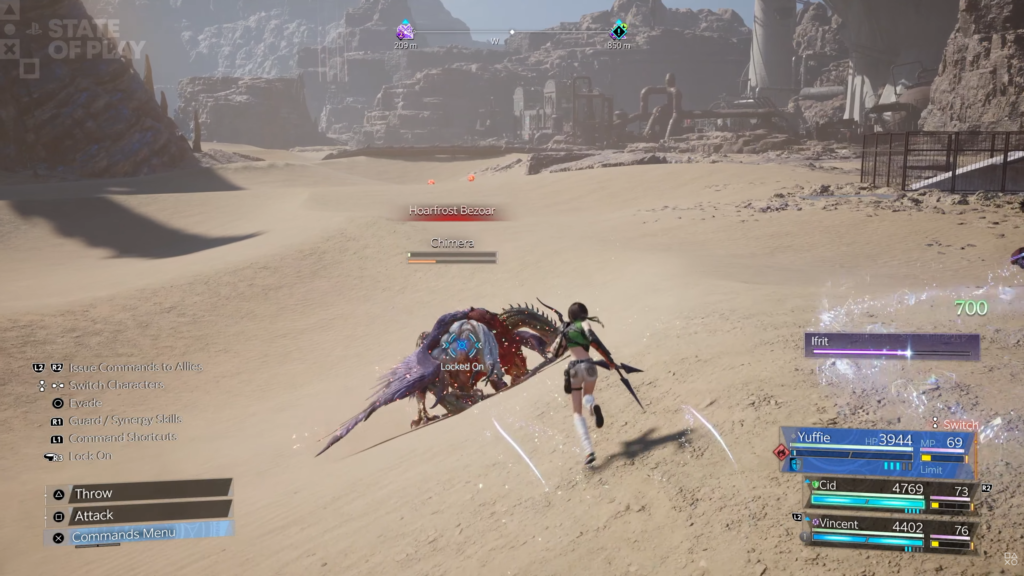
I’m genuinely intrigued to see where this goes. Games like Maneater 2, Until Dawn 2, and the Final Fantasy Resonance breakdown were paced well, and it was a solid forty-five minute showing overall. But most of the time, we’re missing that true heavy hitter. Even today, we didn’t get anything genuinely new from Sony outside of additions to existing games and secondary trailers for titles we already knew about. I feel so weird saying the show was disappointing because if I didn’t follow video games as closely as I do I probably would’ve come out of this show feeling really good. But instead I feel like most of my time was spent getting trailers or clips that could’ve been pop ups on my social media timeline versus a great “new games showcase”.
That’s a real bummer for players tuning in specifically to see Sony’s big first party hitters or the next major AAA game. Because we’re getting fewer of those, for the reasons above, it dulls the excitement whenever these shows roll around, especially when they’re airing at six in the morning Pacific. Now it’s more of a surprise when we actually do get one of those projects shown instead of anticipating excitedly what all the possibilities might be.
From Event to Storefront
There was a time when State of Play, or whatever showcase preceded it, felt like a genuine event, a real “what’s coming next for Sony” moment. Now it feels more like a trailer reel you’d stumble across on the PlayStation Store, a “here’s what you might want to check out” kind of update. Those are two very different directions and I am very disappointed to see that become the new norm. Some people like the Nintendo Direct format but I certainly don’t, leaving me more often than not just catching up on what was shown either via friends, a PS blog post, or some other social media creators.
This format works fine if you just want to tune in every three months to figure out what to play next. But for players looking for the next big thing, wanting to be part of the broader gaming conversation, celebrating the next major AAA release or a genuinely exciting indie, or simply celebrating their PlayStation fandom, these shows increasingly underwhelm. Most of the time, they’re just retreading old ground instead of showcasing the groundbreaking brilliance that caused many of us to fall in love with PlayStation in the first place.
Leave a Reply