

This year I set out to replay the entire God of War series, including its various PSP spin-offs, in order to have the full context of the franchise before finally playing Ragnarok. I’d successfully avoided spoilers for three years, and going in with that complete history gave me a new appreciation for something I hadn’t fully clocked before: the series’ triumph has always been its quiet moments. That’s what I want to talk about here.
Kratos and the Power of Restraint
The Greek era God of War games never had much story to speak of. That’s not a knock, it was simply a different era of game design, with general character direction and motivation rather than deep narrative. But Kratos’ quiet, simmering anger made the rare moments the game paused for speech land far harder than they otherwise would have. Think of Kratos finally finding his long-lost brother he believed dead, speaking to him in a softer tone than we’d ever heard, or the pain on his face as Pandora dies and he sees Calliope in her. Those moments stood out precisely because they were so rare and they never failed to leave a lasting impact on us as players.
2018’s Quiet Triumph
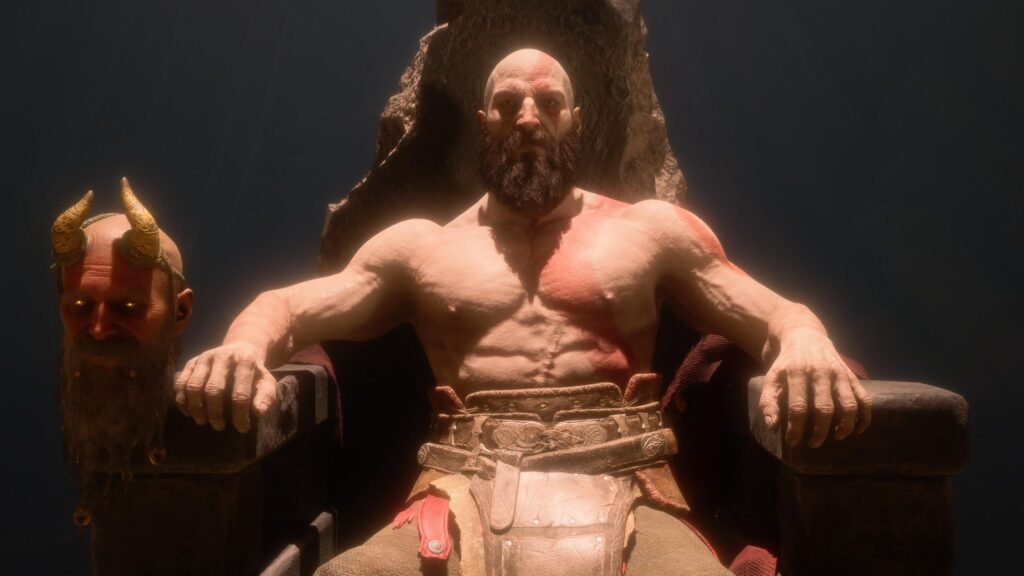
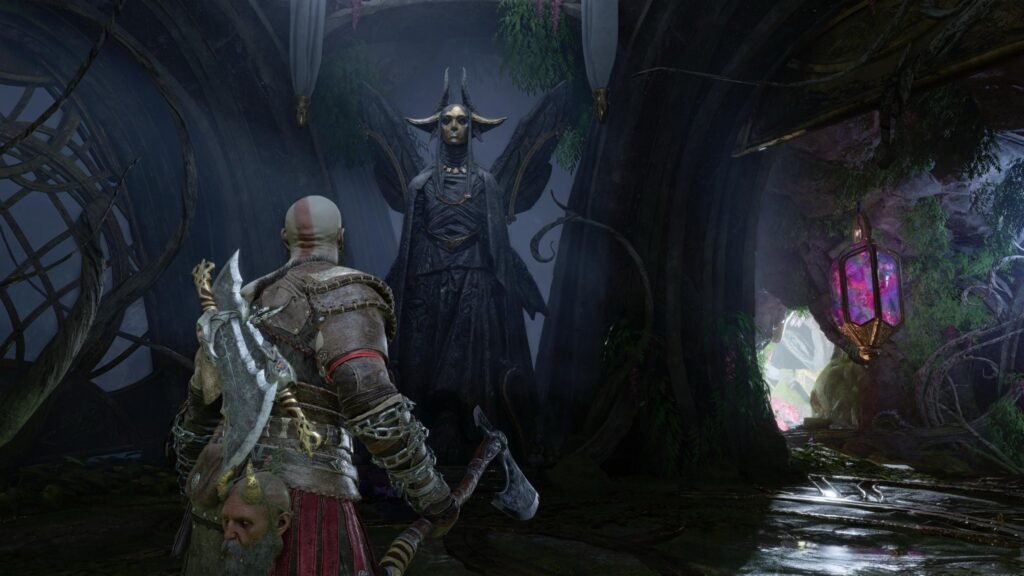
Going into God of War 2018, I didn’t fully appreciate that silence because I’d been steeped in it for so long already. Yes, these games put gameplay first, but 2018’s real achievement is how it tells a deeply moving story about a man trying to overcome his past without burying the player in exposition or lecturing them. Kratos himself remains nearly as silent as his Greek era counterpart, speaking shortly, strongly, and confidently, with Atreus filling most of the gaps and that blend worked to perfection. But the game also leans into extended stretches of silence: Kratos alone in Hel, or Kratos and Atreus not speaking during a rough patch between them. Those moments let you sit with what Kratos is feeling rather than being told. While this may lead different players to interpret these scenes differently it creates a connection Kratos beyond a player avatar. He is, in a sense, alive. Fully present with his own thoughts and feelings and it is up to us to piece together what isn’t being explicitly said.
Where Ragnarok Loses the Thread
None of this really hit me until I played Ragnarok, and what Ragnarok suffers from is a distinct distrust in letting the player sit with silence. The game is filled with sound and noise from other characters, expository dialogue, and Kratos himself speaking far more than before. It’s a genuine shame, because I think if a lot of that dialogue had been cut, Ragnarok could have rivaled 2018. Instead, the game shuttles you from moment to moment, set piece to set piece, world to world, constantly telling you how to feel and what the characters are feeling rather than trusting its own storytelling to convey it. Thinking back on my playthrough I can’t think of a singular moment the game lets you sit with the world and Kratos, not even during my post game collectible clean up phase.
The Moments That Still Land
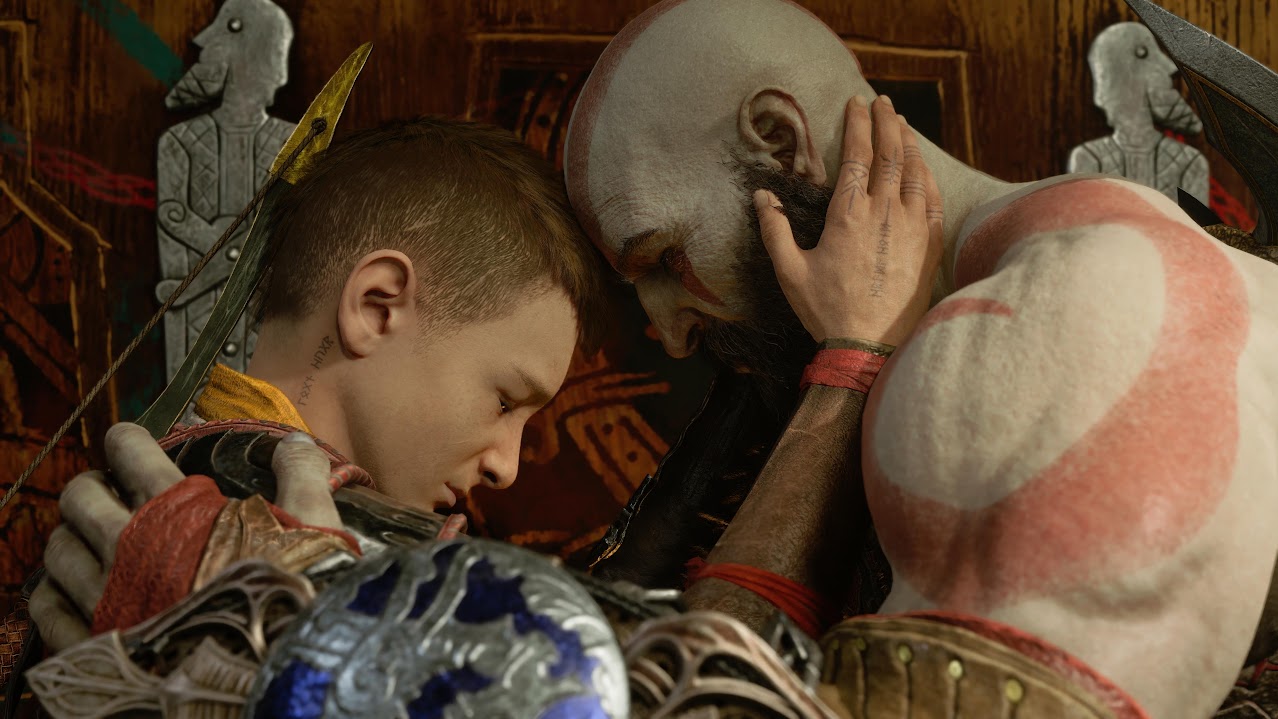
Ironically, the scenes that hit hardest for me in Ragnarok are two moments near the end, where Kratos and Atreus, and later Kratos and Faye, lean head to head and don’t say a single word. There’s an incredible connection of love in that silence, one that says more than any of the game’s dialogue does, and it’s what inspired this piece in the first place. Emotions are powerful and often do not need dialogue to convey them. And confidence in your writing and direction is shown when you give that control over to the player to figure out what you’re trying to say.
Looking Ahead
I hope that going forward, especially with God of War: Ragnarok’s successor, the series trusts its audience with silence again. Let us draw our own conclusions from the small moments and the environmental storytelling. Those are the things that leave a lasting impact, far longer than any expository dialogue ever will and so let’s see what sort of lasting impact Laufey can leave.
Leave a Reply