

Horror movies were absolutely abhorrent to me when I was a kid. I would avoid them at all costs.
Even movies that were not exactly horror (but with scary elements) terrified me. I remember my dad having to take me out of the theater during The Mummy, tears streaming down my cheeks. I blame my older sister for sitting me down (while supposedly being my babysitter) to watch Stephen King’s IT. I was 5 or 6 years old.
Besides being anxious about horror movies, I actually grew to detest them. In my naive opinion, I considered them trashy: gross excuses for sick people to watch blood and guts. No one could really enjoy being scared… right?
Candyman, Clive Barker, and a Convert
Thankfully, my opinion was completely transformed due to a little movie called Candyman. Yes, it had the blood and guts that made me squirm, but it certainly had a lot more going on under the surface. Themes of systemic racism, segregation, violence of the impoverished, generational pain, reincarnation. This was not just a monster chewing up victims; Candyman is a tragic, melancholy, and beautiful story. And not only was it my first horror movie, it was my first time seeing the works of Clive Barker translated to screen.
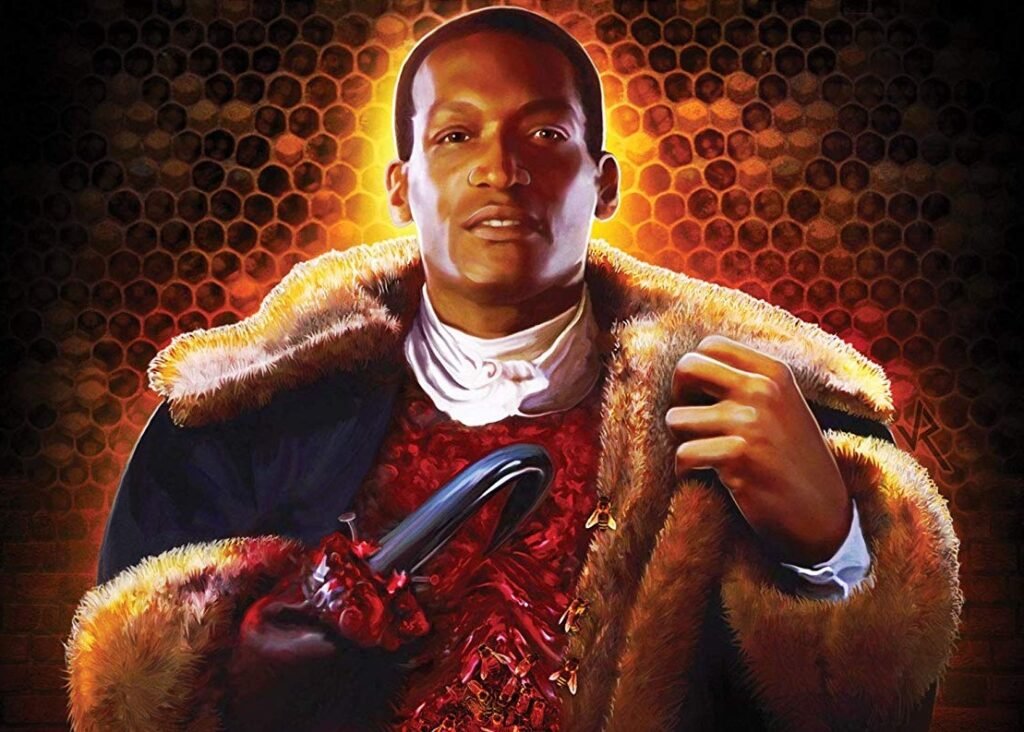
While certain elements were changed or manipulated from Barker’s original short story, it was a perfect entryway to horror. Clive Barker is known for elaborate dark fantasy stories. Stories which use horror as a means and tool to evoke emotion and pull in the reader. This was the case for most of his work such as 1985’s Books of Blood (celebrated at the time by Stephen King) and one of my personal favorites: The Thief of Always.
After engorging myself on the Candyman mythos (the movie was surprisingly different in some pretty major ways from the original story), one of the next horror movies I loved was a little series called Hellraiser (1 and 2 especially). Hellraiser had the some hallmarks of Candyman, but felt like Candyman’s aggressively vile older brother. People being skinned, sex, torture, gore and more. Whereas Candyman felt more restrained, Hellraiser was balls to the wall insanity. And being a teenager with a newfound appreciation for the genre, I ate it up.
If you’re reading this review or are interested in Hellraiser Revival, I imagine you’re familiar with Barker or the Hellraiser movies. For those unacquainted, I would describe Hellraiser as a celebration (and admonishment) of life’s most extreme vices. Pain versus pleasure. Life versus death. I remember excitedly showing the first movie to my parents, only for my mother to be moderately appalled (my dad thought it was hilarious).
Over time, my love of the genre and thirst for more horror blossomed. However, beyond the first two movies, Hellraiser was sadly not something I enjoyed anymore. The first two movies are some of my absolute favorites, but starting with the third this series endured a sharp decline in quality… especially with it’s transition to a direct-to-video bargain bin quality of film. I firmly believe the quality of these movies has tarnished its reputation.
Too Good to Be True? Barker’s Second Shot at a Horror FPS
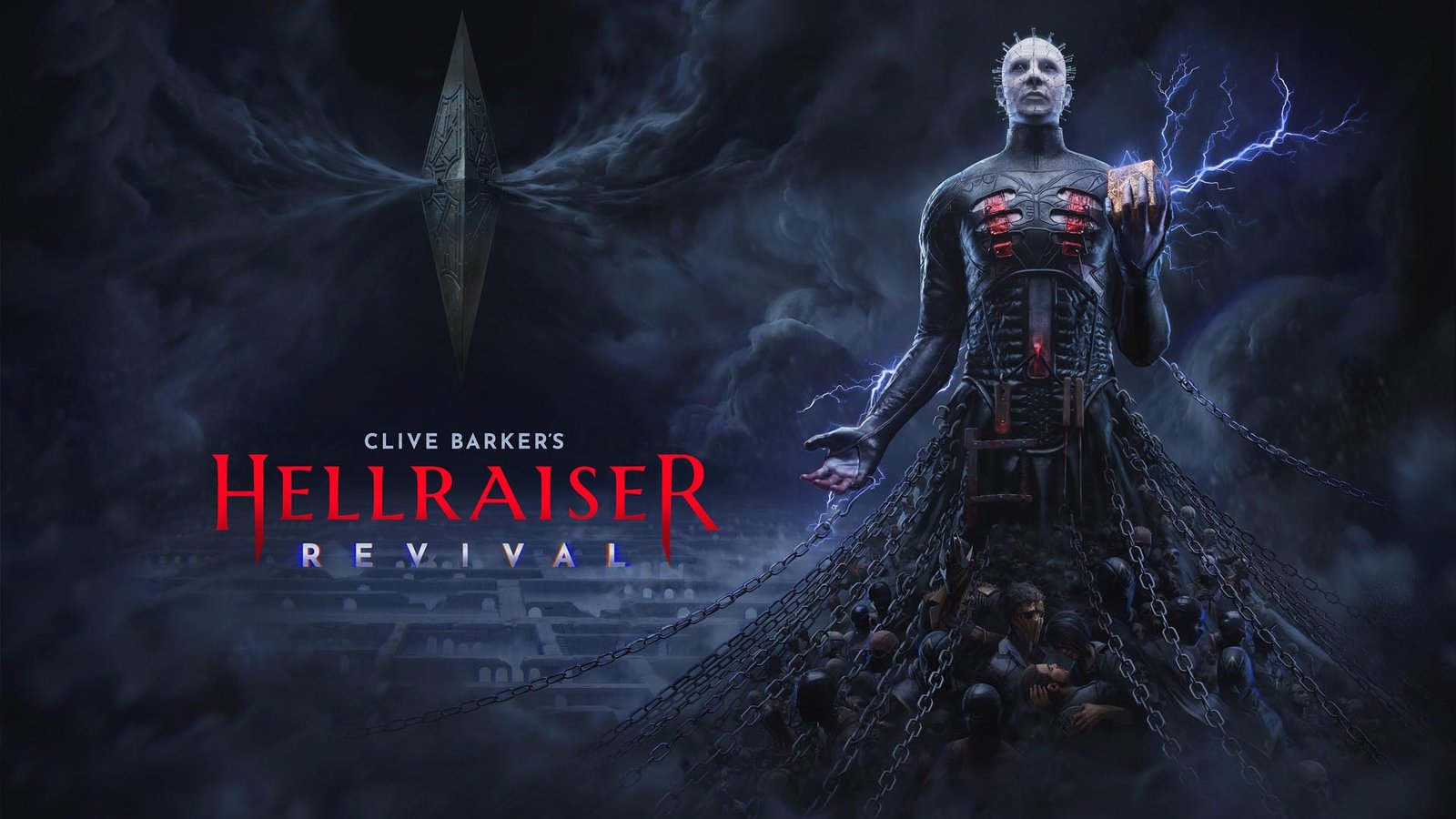
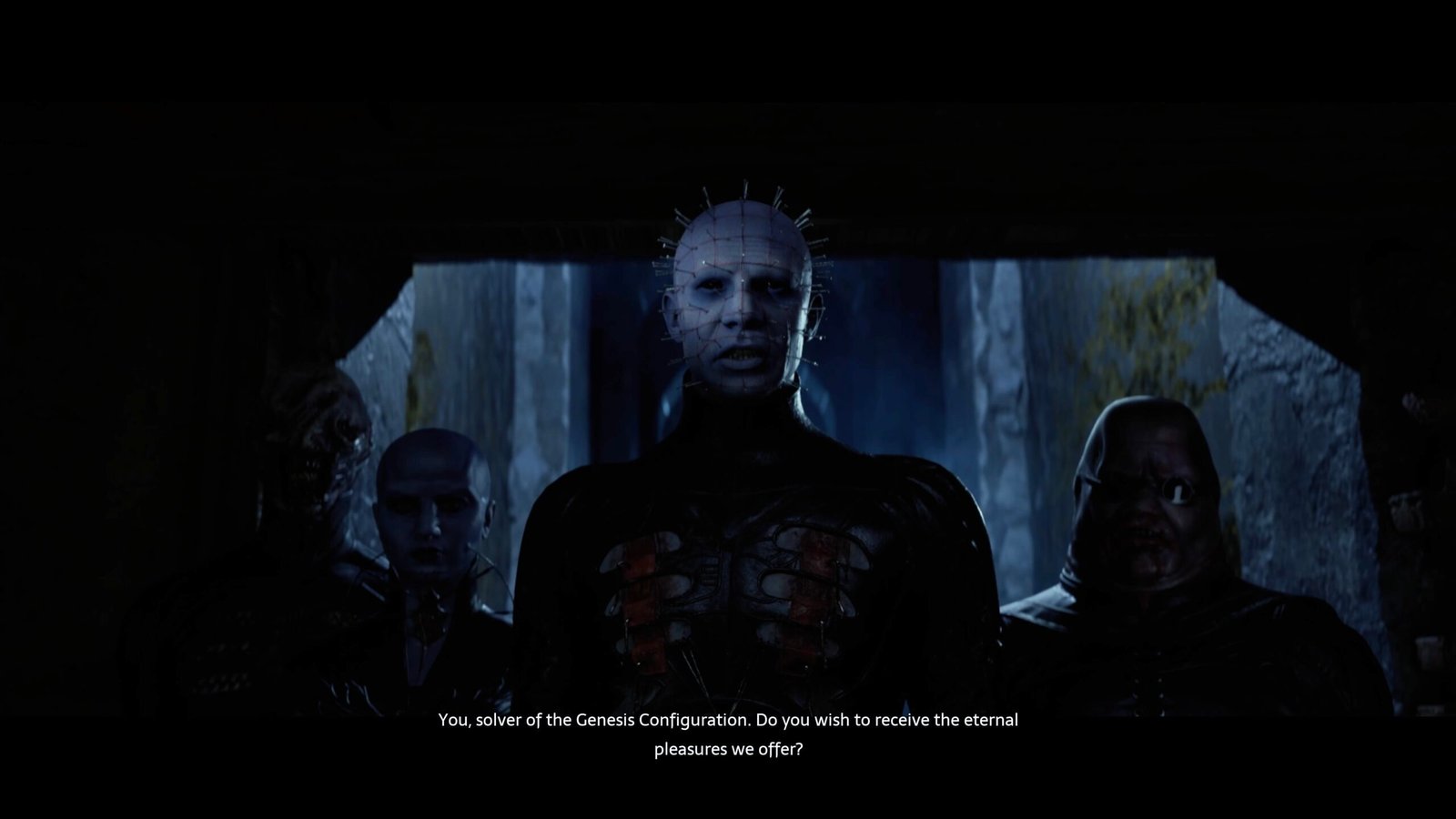
That’s why I was pleasantly surprised to recently see Hellraiser Revival: a brand new FPS horror game developed by Saber Interactive. This game seemingly appeared out of nowhere. I was especially excited to see Doug Braley voicing Pinhead and (most importantly) Clive Barker collaborating with the Saber Interactive team.
Hellraiser Revival is not just an adaptation of the Hellraiser mythos, but actually presents a new canon. While we saw the return of our favorite Cenobite monsters, their lore was restricted to the vision presented in the original novella (The Hellbound Heart). This includes changes to their motivations, the depiction of the Labyrinth and more– the creative team decided to completely focus Revival as a sequel for the first two movies.
It all sounded too good to be true… so I was initially skeptical. Sure, it obviously looked gorgeous (especially considering it’s modest $39.99 launch price), but I doubted that this project would live up to the reputation of the source material. Would the ESRB even allow it under a Mature rating? Also, we had seen Barker tackle a videogame before and it was not entirely a success.
In fact, many people do not realize this is Barker’s second attempt at making a horror-centric FPS videogame. Jericho was produced by the auteur and released in 2007 to a very lukewarm reception. It had a lot of the hallmarks and stylings of Barker but also had pretty middling gameplay. Especially in a year that saw the release of the greatest games of all time (imagine having to compete with fucking Bioshock on Halo 3). For more on this project and why it failed to live up to its potential, I would recommend watching TotallyPointlessTV’s breakdown on youtube.
This is why I started my playthrough of Revival with modest expectations. However… 13 hours later, I’m happy to say this is one of the best horror games of the year. This is an especially impressive feat considering the wave of competition this year: The Sinking City 2, Resident Evil Requiem, Silent Hill Townfall and more. But I would even go beyond that to say Hellraiser Revival is one of the best movie-tie in videogames ever made. Right alongside the classics like King Kong, Robocop Rogue City and Terminator Resistance.
In fact, I found this game to be so well-produced, I’ve been taken aback by some of the trepid responses from major gaming outlets like IGN. Let’s start with what I initially expected to be the game’s greatest weakness: the combat.
Bats, Machetes, and Shotguns: Combat That Delivers
First Person Horror is a difficult genre to balance, especially when it includes hand-to-hand melee combat. Most games of this style tend to favor one medium of self defense or another: you’ll use guns 99% of the time, or you’ll use blunt weapons 99% of the time. I would speculate this is an intentional design mechanic intended to make sure the combat feels satisfying.
Hellraiser Revival adeptly tackles both: you will spend just as much time with your machete or baseball bat as you will with your shotgun and revolver. Right from the start of the game, enemy encounters are cleverly designed to allow both combat styles. Using guns allows you to maintain as much distance from your target as possible, preventing them cutting a slice out of you. Blunt melee weapons such as baseball bats allow you to knock their protective armor clean off. Then, sharpened machetes or cleavers enable you to handicap their limbs.
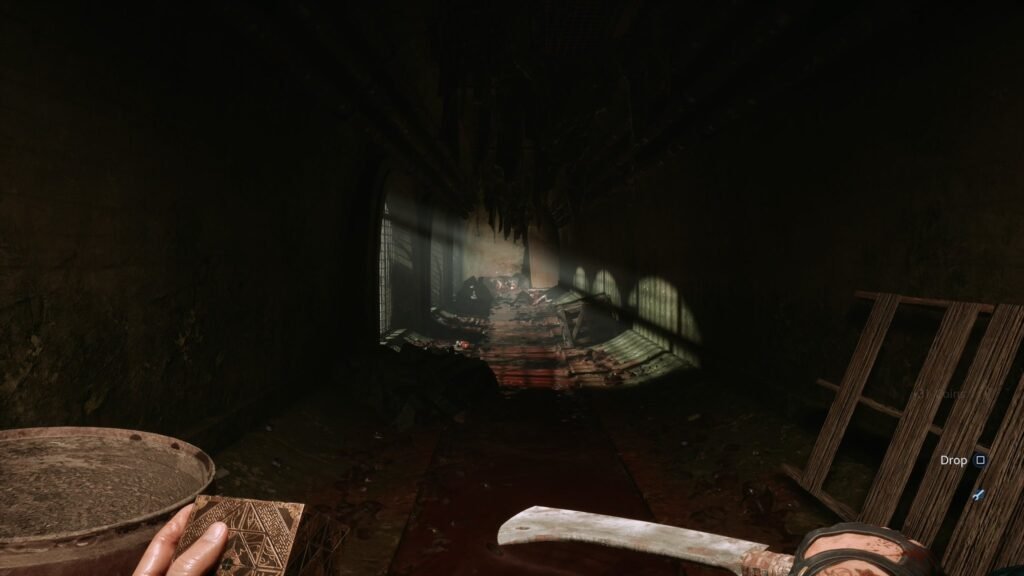
You can also use certain objects in your combat encounters which function very similar to grenades in other games. For example, Bear Traps can temporarily stunt your enemies movement. Gas cans can be used to pour gasoline or even lobbed for fire damage. These items are also very large in your inventory, forcing you to be very methodical in your approach to tougher encounters.
Outside of the hand-to-hand and firearm combat, there’s even some environmental damage you can cleverly utilize to your advantage. This includes leading your enemies into dangerous pathways, such as an electrified pool of water.
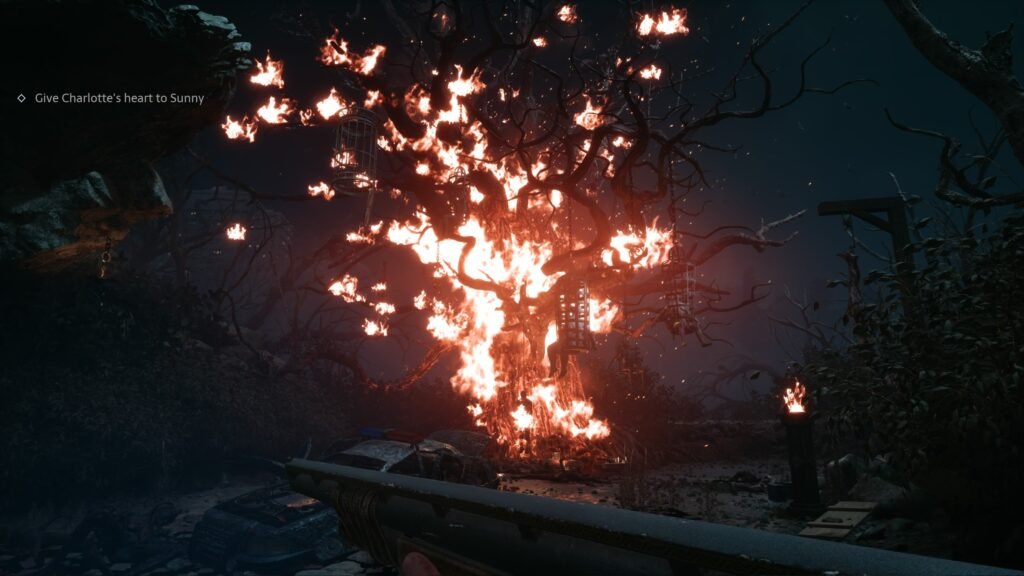
Even the Genesis Configuration (the cube) is a part of your arsenal. You can use it to set enemies on fire, throw saw blades across the room… and much more, including certain gory surprises I was absolutely elated to see (and I will not be spoiling in this review).
All of these various aspects of combat feel weighty, responsive, accurate and satisfying. It’s a tremendous success I’ve seen AAA projects fail to match. Are any of these mechanics new? Innovative? Trailblazing? No, no at all. But their successful balance and utilization are well above the standard of many in its genre.
In my opinion, every game does not need to invent the wheel. So long as it’s being used properly, the perfect execution of it is just as impressive as adding something completely new to the genre. This is true for all aspects of art: rehashing and fine-tuning established elements you’ve seen before, is just as commendable as making something new.
Bosses and Love Letters to Horror
Also extremely compelling are the boss encounters: I absolutely loved the bosses in this game. Most encounters were varied and difficult enough for it to take at least a couple deaths to figure out the best approach– but none of them felt unfair.
The development team at Saber Interactive are obviously HUGE fans of the horror gaming genre. Outside of their faithfulness to the hellraiser IP, they even pay tribute to some of the best video games in the genre. Without saying too much, you can expect to see tributes to Resident Evil 4, Silent Hills PT and more.
A Gorgeous Descent Into Hell
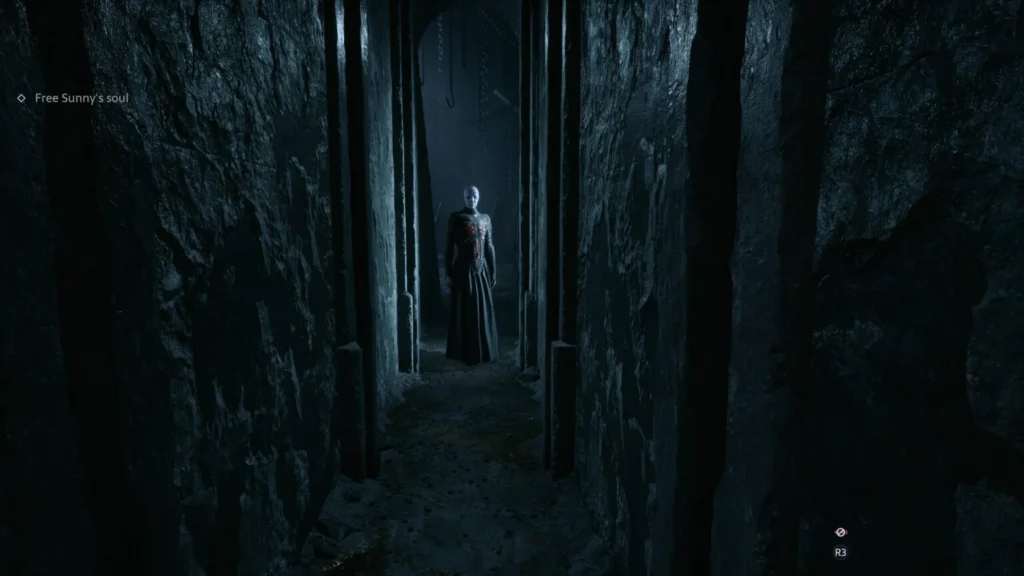
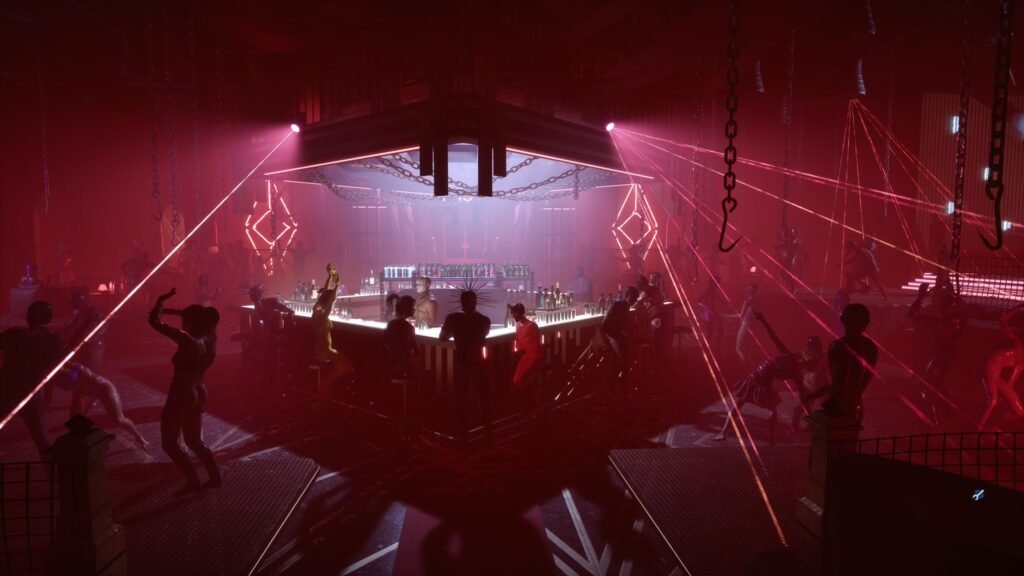
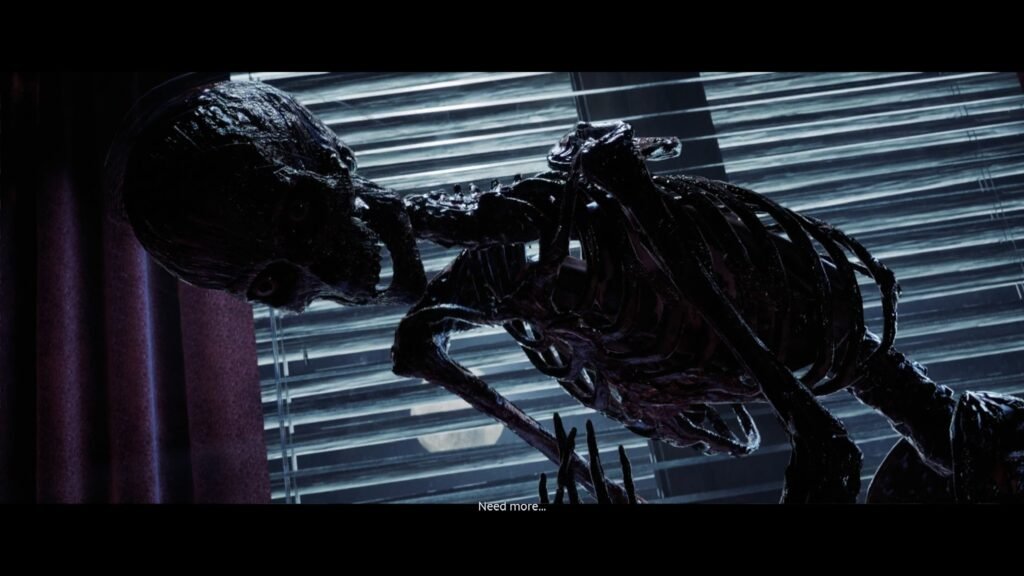
Audio and visual design are where this game exceeds most of everything else in the industry. Environments are spectacularly varied, impressive and beautiful to look at. Whether it be seedy sex dungeon clubs, grimy industrialist cement catacombs, gross organic hallways, gothic chapels or the Labyrinth itself– each area has been detailed to a Naughty Dog-level standard. The audio is similarly detailed and varied. You’ll hear orgies of degenerates climaxing, tortured creatures screaming, victims begging or more ambient horror. At least 1 or 2 hours of my first playthrough was spent staring at and listening to the beautiful aesthetics.
That’s not to say the game is perfect. The cracks start to show when you take a look outside of the combat, sights/sounds, and the environments.
Inventory management failed to scratch that itch we’ve all come to love: making sure you’re balancing the optimized number of weapons, health packs, etc in your carrying case. This is one aspect of Revival’s normal difficulty I felt the backend of the game to suffer with: I was too often fully stocked on ammo and resources. This might seem silly to complain about, but it’s essential in the Survival Horror genre to constantly have you on the edge of your seat. To wonder how you are going to beat that next boss or horde of enemies. Inventory management is critical to that, so when you’re never worried about ammo it can slightly eat away at the suspense.
Puzzles are similarly utilized, but not to the success of the game’s combat variety. As I’ve mentioned in previous reviews: I consider myself to be a blatant idiot when it comes to puzzles in games. If I get a puzzle difficulty option (ala Silent Hill), I am choosing the easiest option.
In Hellraiser, the puzzles could have benefited from some additional variety. I even wish they would be more elaborate or convoluted. More confusing puzzle designs with the chance to use the configuration would have benefited the total package. They’re not bad, but they’re just not challenging enough.
Another issue is with the enemy design variety. While I generally loved the bossfights, towards the end-game one particular boss is repeated 2-3 times. The first encounter felt comparatively satisfying, but by the time you encounter it again and again it’s less of a challenge… and more of a time-waster.
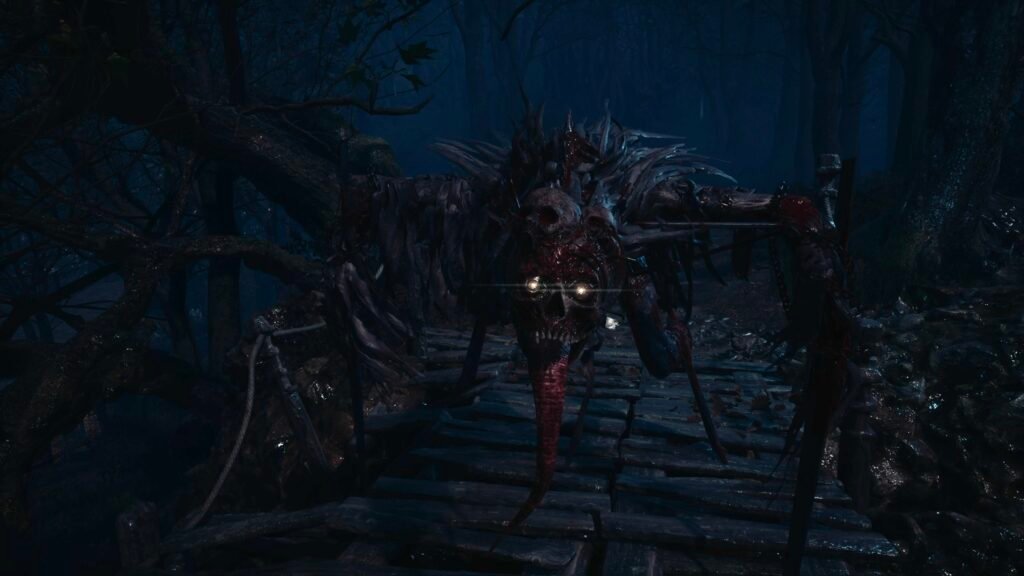
My complaint is especially true regarding the variety of its low level enemies. 90% of the enemies you kill will be the same lanky humanoid figures– its shockingly pedestrian considering how well the game exceeds in almost every other production capacity. This is something I find really disappointing, especially since this series has delivered a hugely diverse cast of monsters over the years. Even in some of the weaker movies.
As a solution to the monotony of these encounters, Saber Interactive equipped these creatures with different degrees of armor plating. Some are easy to dismember or pop their head with a single shot, while others are dressed head to toe in an iron-BDSM cosplay. While this does help, I do wish the team had more time or budget to really introduce a lot more monsters and creature types.
Pinhead, Chatterhead, and a Murky Protagonist
The story is also entertaining enough to keep you invested throughout the journey– but not necessarily to the compelling extent of the rest of the package.
The Cenobites are presented here fantastically– and used best to their suited personality. Chatterhead is constantly behind you, his clacking teeth growing closer with each misstep in a variety of cinematic chase sequences. Sister Nikoletta is presented as the most amicable of the bunch, helping the protagonist on their journey for motivations that aren’t exactly clear.
Our main character is a conflicted and tortured individual, with glimpses of his troublesome past showing up as hallucinations, paintings and several depressing environments (a drug den, a dirty bathroom, etc). The voice acting from Xalavier Nelson Jr is really well done. You can really hear the pain, fear and (occasional) sexual gratification in his performance throughout the campaign. I felt the story was compiling a picture of a man that was convoluted. Was he a good person? An awful one? This mystery is teased dozens of times throughout the story, but ends the campaign with a disappointingly vague conclusion. It reminded me very much of James from Silent Hill 2– but without the shocking ending that made that story so monumentally impactful.
Best of all, Pinhead (The Priest) is in top form and presentation. Menacing. Horrifying. Awe-inspiring… especially in the last chapter of this game. This is the best presentation of The Priest arguably since Hellraiser 2 (although I personally really liked the recent 2023 reboot’s female spin of the character).
However, I am sad to say The Priest is very much under-utilized in Revival. I’m unsure if this was due to limitations in budget or time with Doug Bradley, but this man was born to play this character. Every moment he was on screen I was absorbed and intrigued, whereas Sister Nikoletta had a tendency to ramble sometimes. His presentation in the last chapter of this game is honestly brilliant, I desperately hope we get a chance to see him again in a sequel or spin off in the near future.
Such Sights to Show You: The Verdict
When I initially saw Hellraiser Revival, I was skeptically excited. With such high expectations, I’m sure it was nerve wracking for Saber Interactive to add such a meaningful chapter to a series that deserved more love. I’ll also admit I was slightly nervous about the smaller dev team or the lower budget/price tag.
But as we have seen with other development teams (such as the maestros at Asobo Studios), the right group of people with passion and talent and a clear vision can accomplish astounding final packages. Hellraiser Revival is putrid, perverse, disgusting and diabolically mature in its presentations of this legendary IP. Its a product of great love, passion, care. And best of all… its REALLY fucking fun.
Jesus wept.
Brokowski recommends it
- 13 hours in
- PS5 Pro
- Bought it
Leave a Reply