
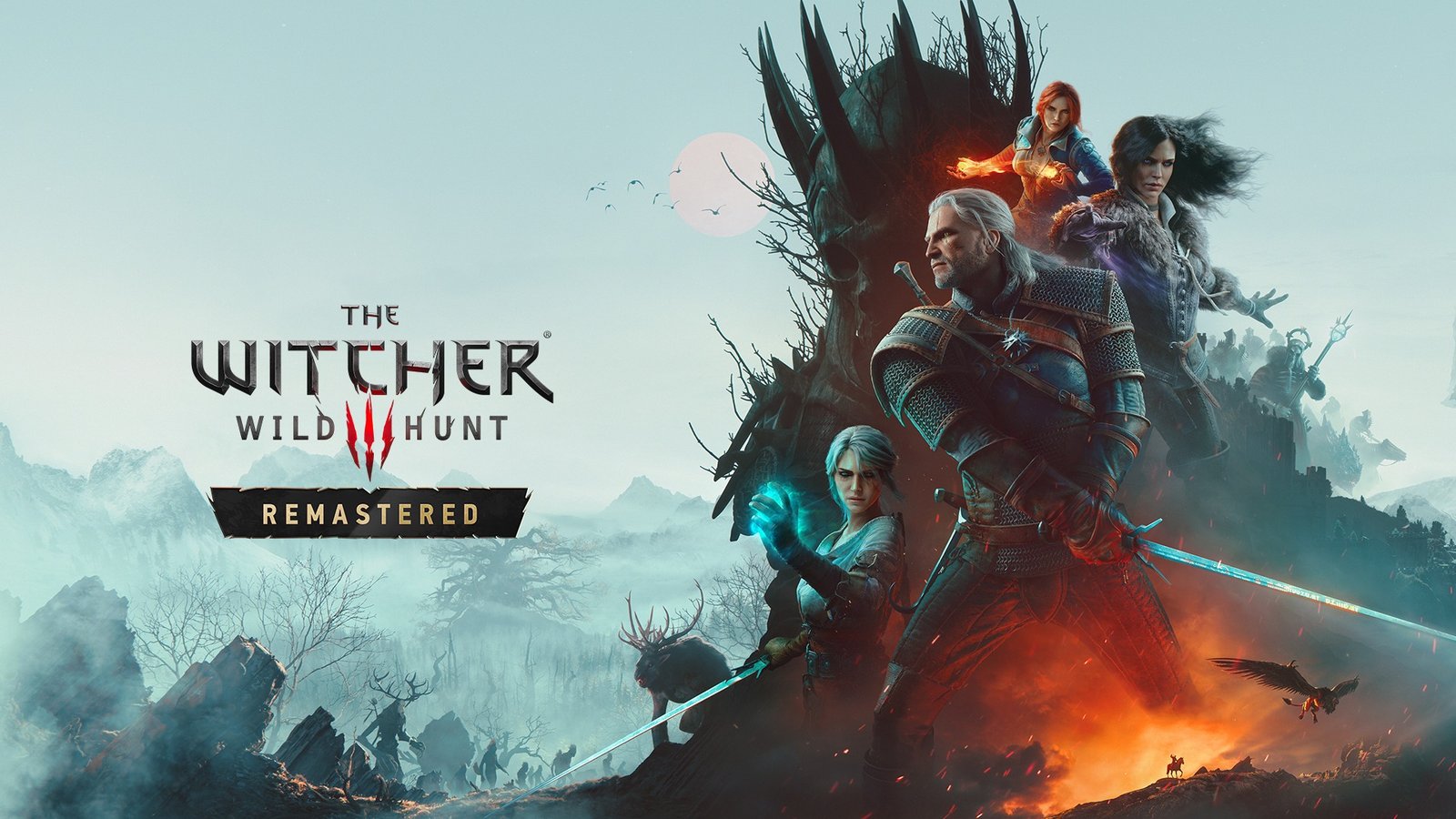

When I first booted up The Witcher 3: Wild Hunt by CD PROJEKT RED back in 2015, I was still a teenager. It was the game that demonstrated the true potential of single-player experiences to me, proving that viewing video games as mere mind-numbing entertainment is a misconception – they can teach us a great deal and even alter our perspective on the real world.
A few months ago, I thought I would never return to the Witcher universe because I knew it inside out. However, the Remastered edition reminded me why I fell in love with this universe in the first place. But ultimately, is this return justified, and is it worth taking to the path once more? I invite you to read my full review below!
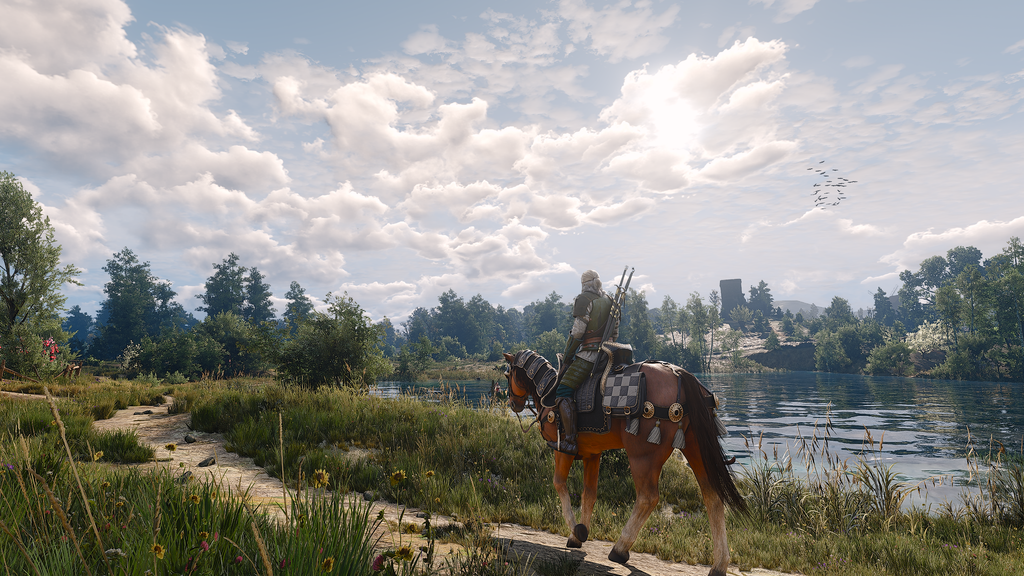
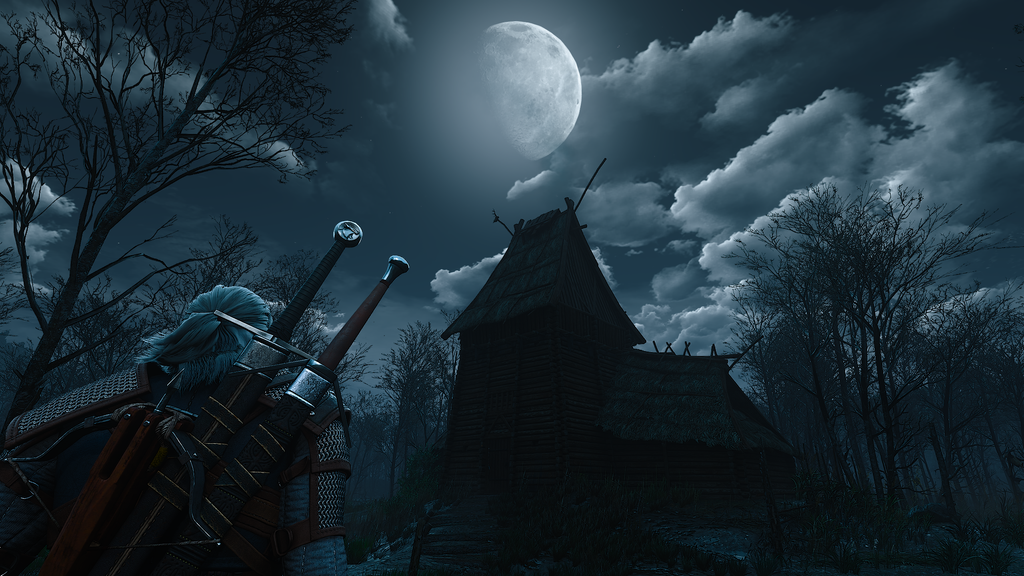
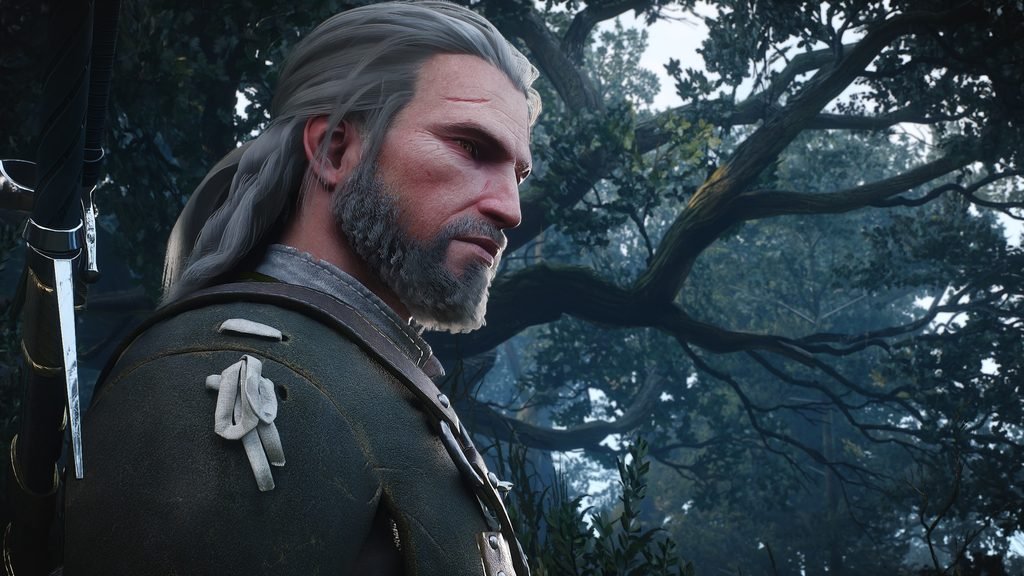
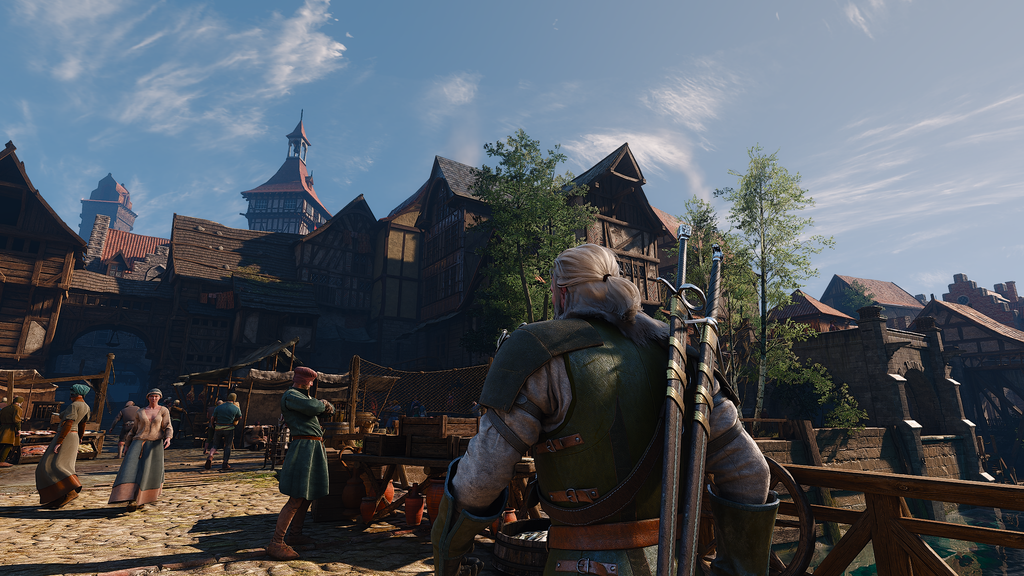
Note: In this review, I focus exclusively on the features introduced or modified as part of the game’s Remastered version. Core legacy elements, such as the main narrative, will not be covered. All screenshots included below were captured by me using the game’s built-in Photo Mode, with no external graphic post-processing or photo-editing software applied.
Test Bench Specifications:
- Resolution: 2560 x 1440 (2K)
- Motherboard: GIGABYTE B650 GAMING X AX
- CPU: AMD Ryzen 7 7700X
- RAM: Kingston FURY 32 GB 5200 MHz
- GPU: ASUS GeForce RTX 5070 Prime OC 12GB
A Living Canvas: A Visual Transformation
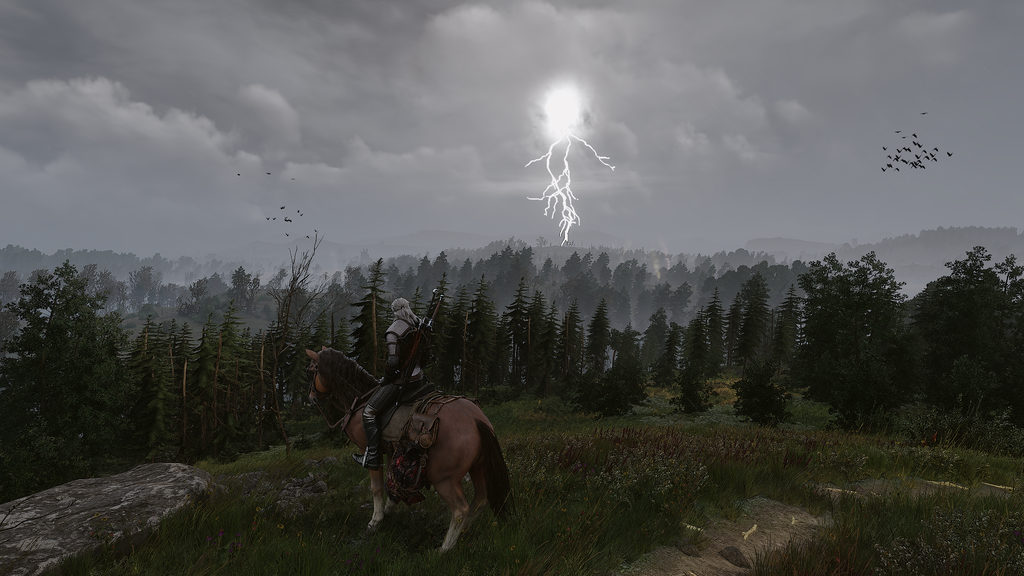
As I roamed the world, I felt as if I were discovering it all over again – it revealed a completely new side to itself that looks drastically different from the original release. In my opinion, the most impactful factor driving this transformation is the overhauled lighting and weather system, which can paint dozens of distinct scenes from a single landscape. And no – despite the Remaster receiving numerous updates over the weeks – it never looks “washed out”; everything dynamically depends on the weather and time of day. All these aspects make the game’s new color palette far more pleasing to the eye than in the original. Every region has retained its unique identity while gaining a newfound sense of depth. As for the vegetation, it has been enriched with greater density and detail – I don’t recall it being anywhere near this striking in the 2015 release. It is also worth emphasizing that Path Tracing technology made a massive difference in my perception of this world; thanks to it, characters, the interiors of huts, taverns, caves, and dense forests gained a completely new atmosphere, radically transforming the visual experience.
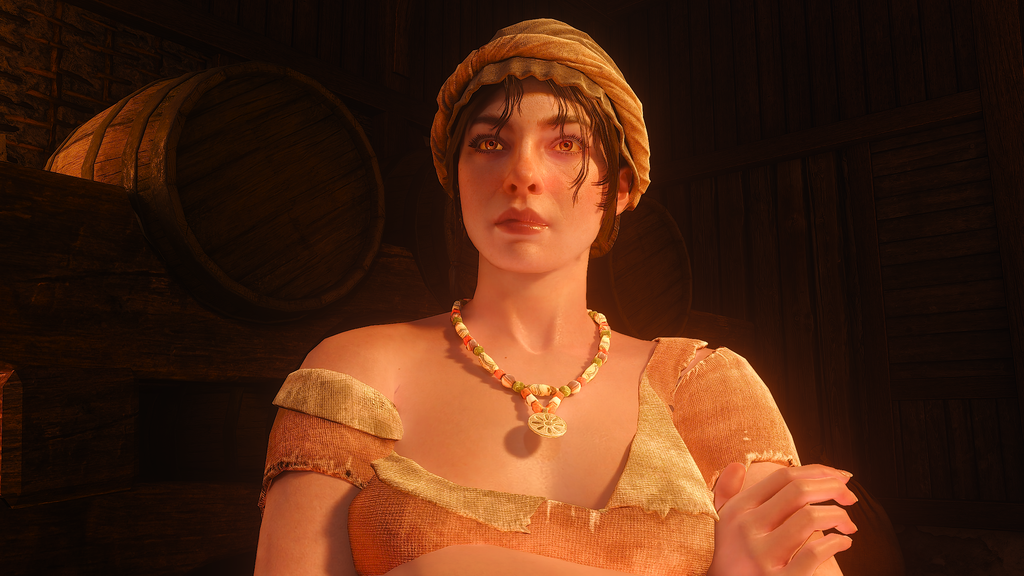
Another change I noticed immediately is the level of detail present on both main and side characters – there is simply far more of it, and it is vastly more refined. This upgrade isn’t reserved exclusively for key figures in the story, either; faces, hair, skin details, and clothing for minor NPCs – such as a local barmaid or a village peasant – have been thoroughly updated. To be honest, firing up the Remaster for the first time left a genuinely strong impression on me, as I wasn’t expecting such a thorough upgrade.
Steel for Humans, Silver for Monsters
I can finally say it: combat in The Witcher 3: Wild Hunt has lastly reached the level it truly deserved. Enemies deal higher damage and behave far more aggressively. When it comes to larger contract monsters, you actually need to prepare beforehand rather than just spamming the left mouse button – they pose a genuine threat to Geralt, and relying solely on light attacks won’t get you very far anymore. Monsters feature updated attack patterns, such as a Griffin’s aggressive charge, and their overall AI has been noticeably improved.
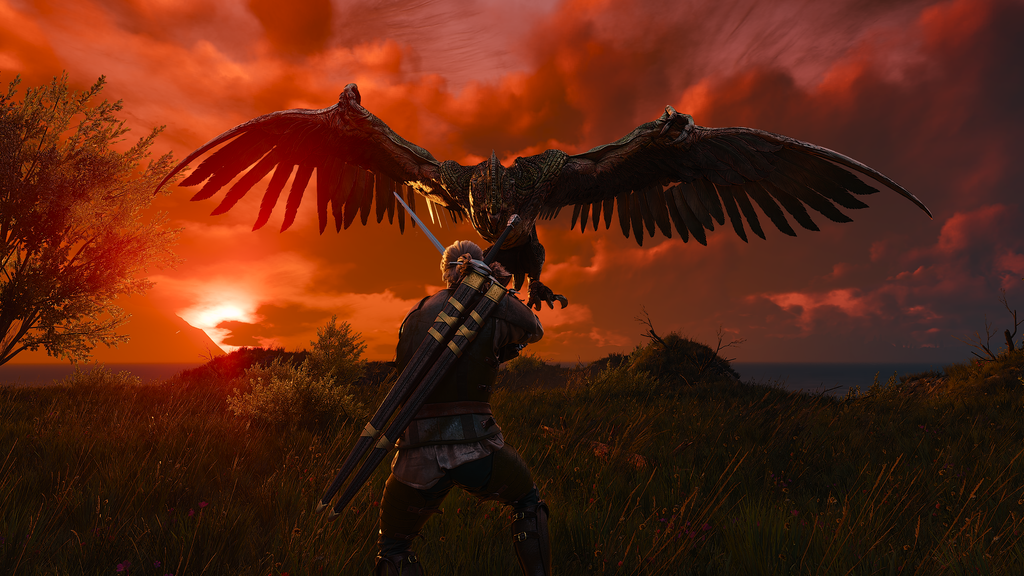
As for the core combat system itself, there aren’t massive mechanical differences compared to the original, but the most important upgrade in my view is the new dynamic camera, which smoothly adapts to the number of enemies on screen. The enemy lock-on system has also been refined, and Geralt now possesses significantly fewer invincibility frames (i-frames) – something you really notice during fights against massive beasts. Additional features introduced in the Remaster include brand-new finisher animations, a sizable number of which I was able to witness firsthand during combat.
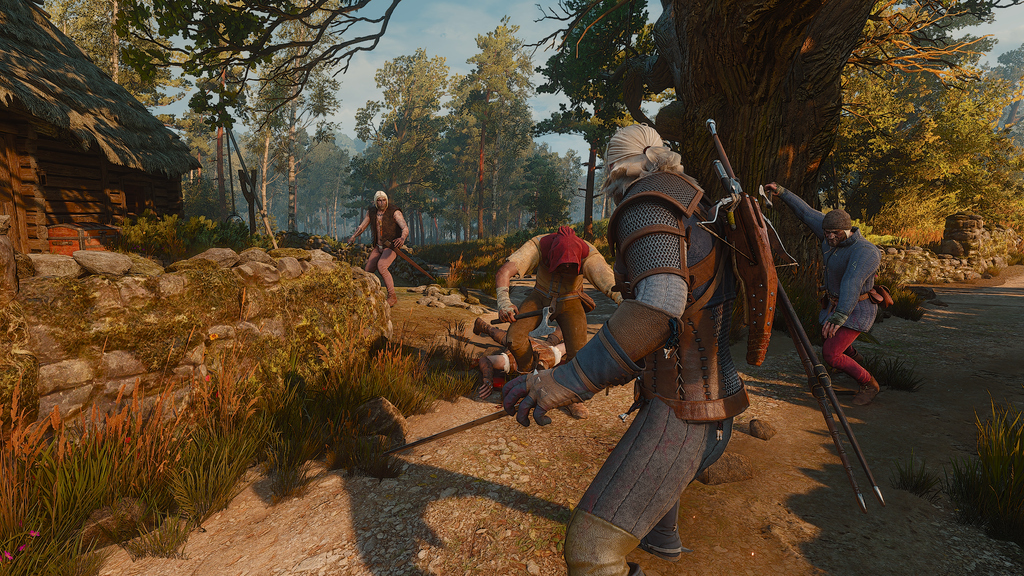
Ultimately, while these changes don’t transform the game into a completely different experience, they successfully eliminate the original’s clunkiness, offering a much more fluid, active and engaging combat flow.
New Skills, Old Limitations
The updated skill tree didn’t leave a massive impression on me. Although it does introduce new abilities, it fails to address what I consider the primary flaw of the skill tree in The Witcher 3: Wild Hunt – the requirement to assign unlocked abilities to active slots for them to take effect. In my eyes, this was always the weakest aspect of the original game, and not much has changed in that regard. On the bright side, it is definitely worth noting that most of the absurdly overpowered builds have been rebalanced, forcing players to discover effective character builds all over again – a change I consider a huge plus.
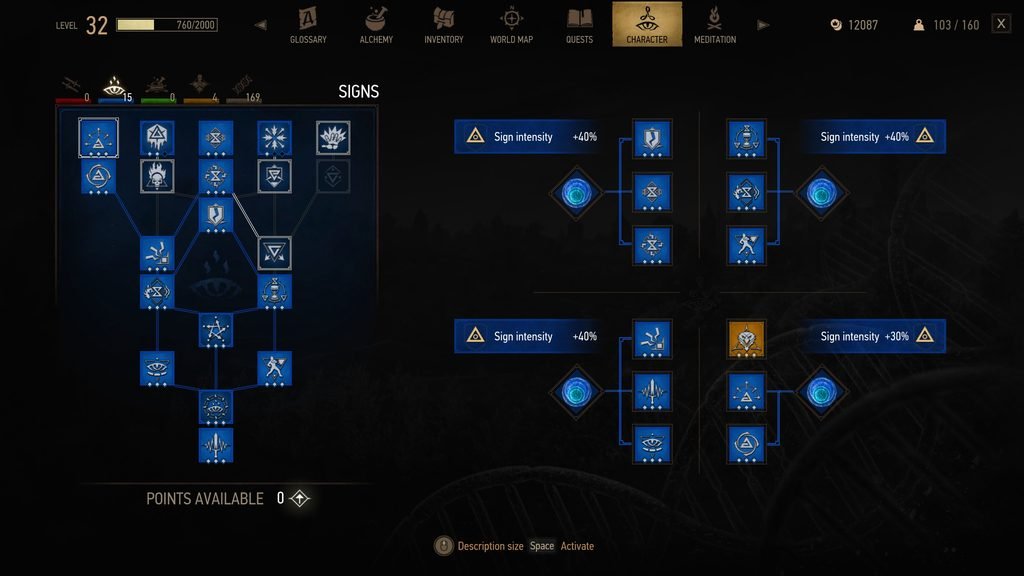
Additionally, the revised layout makes it actually feel like a proper skill tree interface. Beyond a few unique additions and tweaks to existing abilities, we aren’t looking at a true revolution here; that is likely something reserved for the next installment in the series.
Devil in the details: Small tweaks, massive impact
A game-changing Quality of Life improvement comes in the form of Roach’s updated movement mechanics. She can finally navigate between trees, logs, and all the other terrain obstacles that used to block her path so relentlessly. In the new version, she automatically avoids these hurdles instead of getting stuck on them, making riding and world exploration far more enjoyable and significantly less frustrating than in the original release. It is also worth highlighting Geralt’s updated mobility – he can now smoothly grab onto ladders and vault over obstacles.
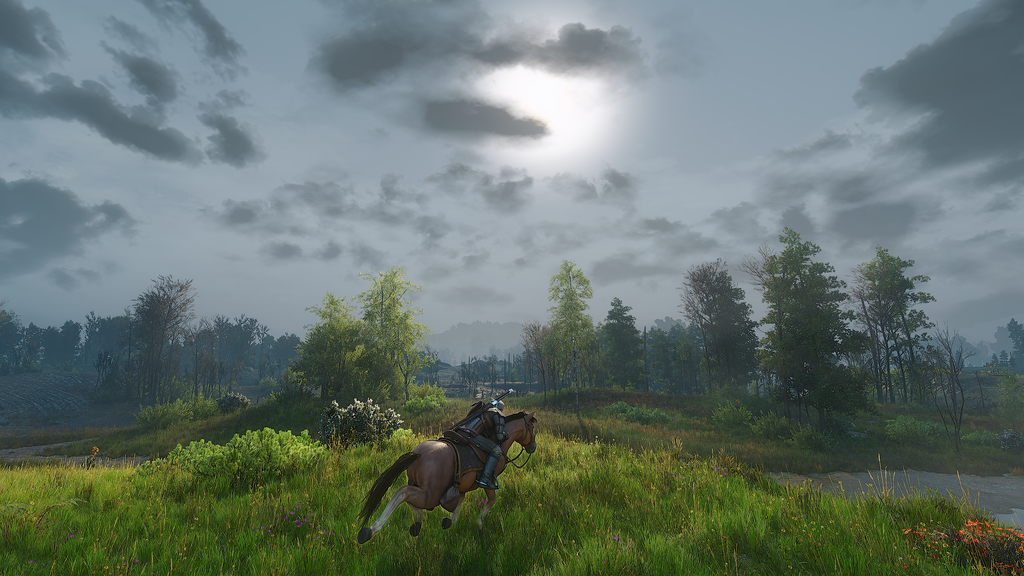
As for other Quality of Life aspects, I really appreciate the newly added accessibility options, such as removing the weight limit, faster boat speeds, and auto-looting from larger groups of enemies, and new dynamic HUD , which automatically hides UI elements outside of combat to keep the screen clean and fully immersive (personally, I opted to use only the auto-looting feature). Finally, the missing piece of the puzzle – immersive meditation – has at last found its way into the Remastered edition.
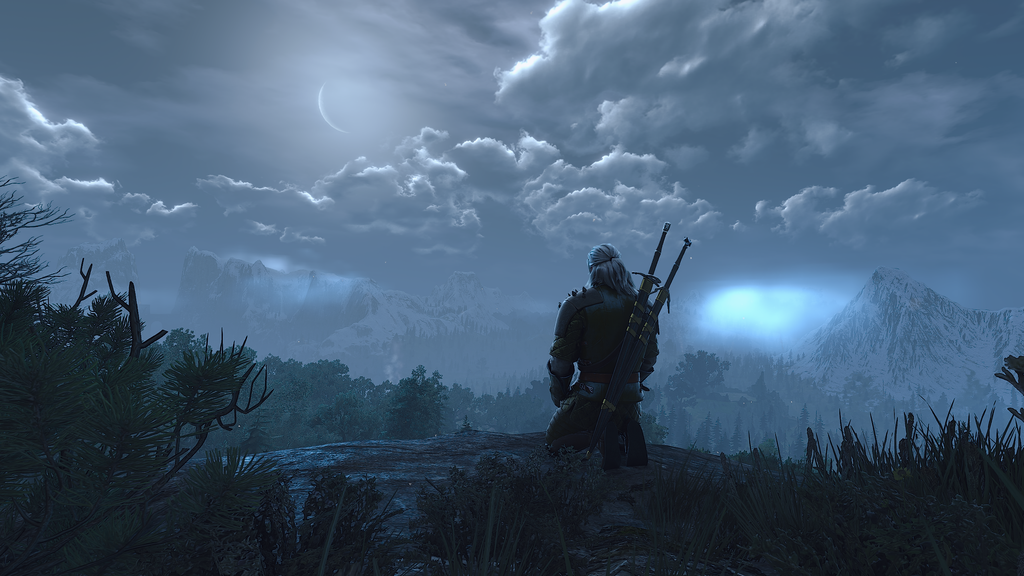
Even though the Quality of Life additions might seem like subtle tweaks on paper, they meaningfully streamline the overall gameplay loop – players are given complete freedom to customize their journey across the Continent, making exploration as effortless as they want it to be.
A Virtual Photographer’s Playground
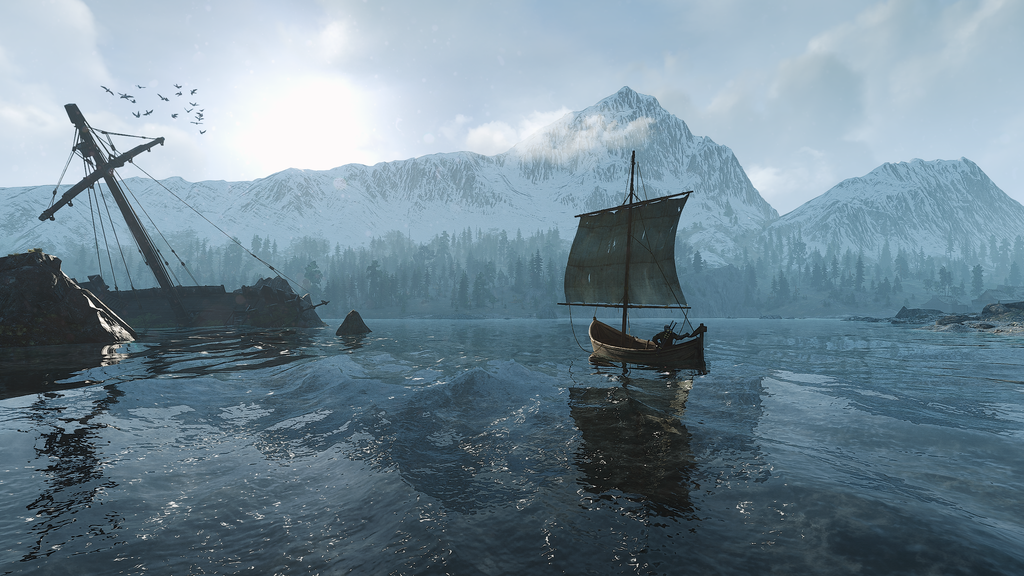
The introduction of a fully-fledged Photo Mode – similar to the one featured in Cyberpunk 2077 – is an absolute gift for anyone who loves capturing memorable scenes and landscapes in-game. I wouldn’t call myself a huge fan of virtual photography, yet I cannot recall spending as much time in photo mode in any other game, ultimately taking over 300 screenshots during my playthrough. While it may not be as overwhelmingly complex as photo modes found in some other titles, it covers all the core functions effortlessly: adding new characters, modifying their poses, spawning objects, or tweaking the weather and time of day in real time. I highly recommend giving this mode a try, even if, like me, you don’t typically engage with virtual photography!
The cost of Remaster: Bugs and technical issues
This Remaster isn’t entirely free from technical hiccups or in-game glitches. During my playthrough, I encountered a fair share of strange bugs, though fortunately none proved game-breaking. Over two weeks have passed since the Remaster’s launch, and while subsequent patches will undoubtedly reduce the number of issues, it is worth pointing out that at the time of writing this review (16th October), plenty of minor bugs remain in the game. They aren’t as critical as those present at launch—such as audio dropouts during dialogues or NVIDIA HairWorks malfunctions – but they persist nonetheless. In my time with the game, I ran into several invisible walls inside caves, flying enemies, glitched corpses, and experienced a bizarre glitch where Geralt would turn his back on enemies mid-combat. Additionally, frame rate drops occurred during certain cutscenes. Ultimately, however, these issues aren’t severe or frequent enough to ruin the overall experience.
Final verdict
The Witcher 3: Wild Hunt in its Remastered form is, without a doubt, the definitive and most complete version of this iconic masterpiece. CD PROJEKT RED has delivered a Remaster that goes far beyond a simple resolution bump – setting a gold standard for what free player updates should look like. Overhauled textures and a revamped lighting system breathe incredible new depth into the Continent. Combat rebalancing, adjusted skill progression, and numerous Quality of Life improvements effectively modernize the gameplay by stripping away much of the original’s clunkiness. As the game still carries a few legacy limitations and minor technical hiccups, it is worth noting that the developers continue to support the title with further patches, ensuring the experience gets smoother over time. At the end of the day, none of these drawbacks are enough to overshadow the massive amount of passion and effort poured into this project.
So, is the return to the witcher’s path justified? Absolutely. For returning fans, it offers a breathtaking reason to rediscover the world all over again, whereas for newcomers, it stands as the single best way to fall in love with it for the very first time.
THOMASSSIK SAYS IT’S A MUST Play
- 70 hours in
- PC
- Bought it
Leave a Reply