
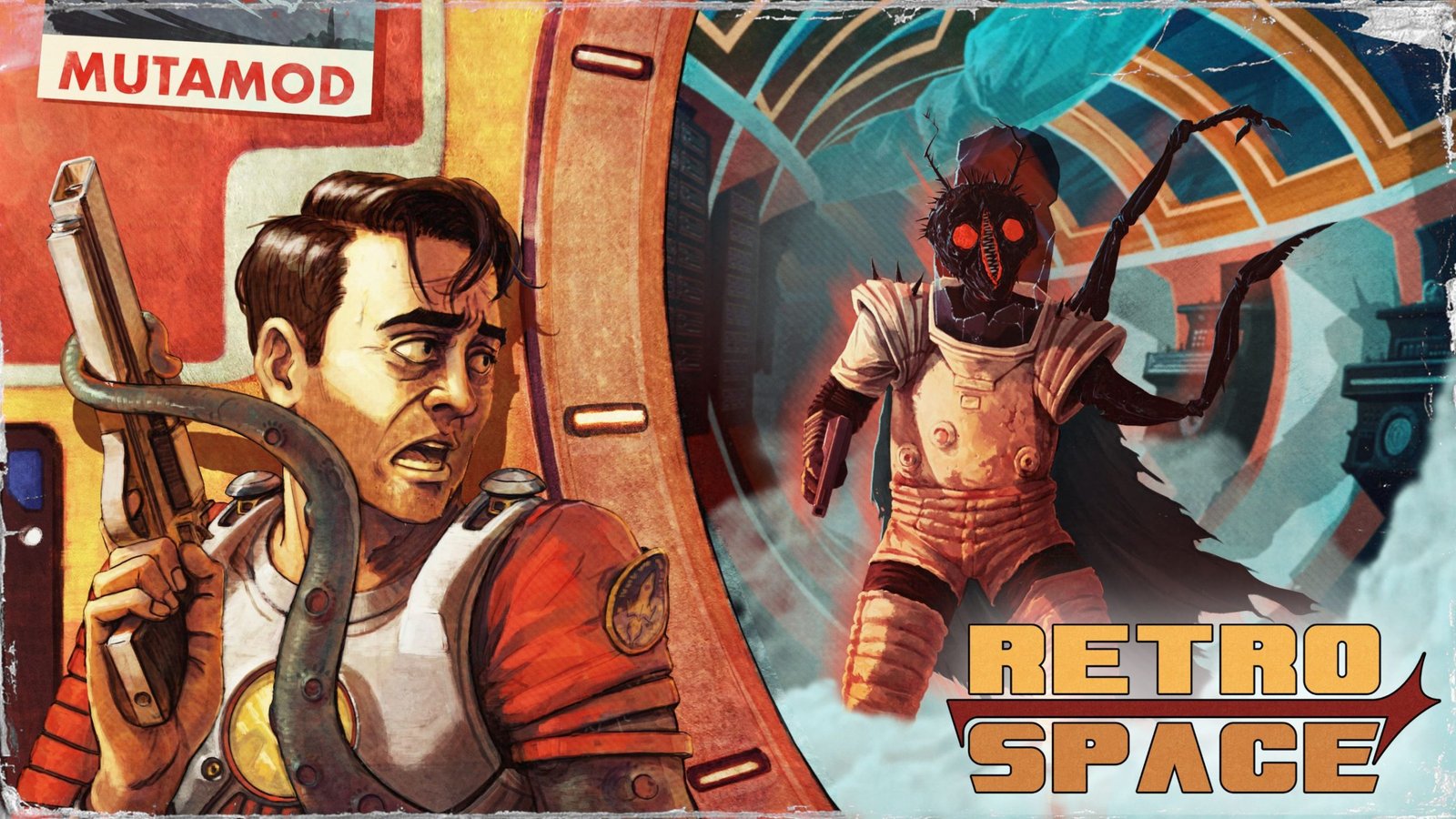

RetroSpace proves that you don’t always need a massive AAA budget to craft a compelling, deeply immersive sim. Developed by The Wild Gentlemen, this wacky, 70s-infused sci-fi trip brings a fresh, blood-spattered mop to a genre that often takes itself too seriously. At a budget-friendly price point, it’s a diamond in the rough that deserves your attention.
The Story: Cosmic Horror Meets Blue-Collar Blues
Imagine waking up from a routine shift on a massive, retro-futuristic colony ship, only to find out you’ve been sucked straight into a sentient black hole. That is the wild starting point of RetroSpace.
Set in the year 2177, humanity’s last hope rests on the Aurora fleet—floating city-ships journeying across the stars while the civilian population sleeps in cryo-stasis. But disaster strikes when the Aurora 5 goes completely off course, trapped by a malevolent, conscious cosmic anomaly that shreds both space and time.
While high-ranking officials and colonists are safely frozen, who has to clean up the cosmic mess? You. You play an ordinary blue-collar janitor thrust into the ultimate sci-fi nightmare as reality fractures, time loops violently, and bizarre mutations take over the halls.
(That is all we’ll say about the story—the rest is yours to discover.)
Gameplay & Exploration: Immersive Freedom
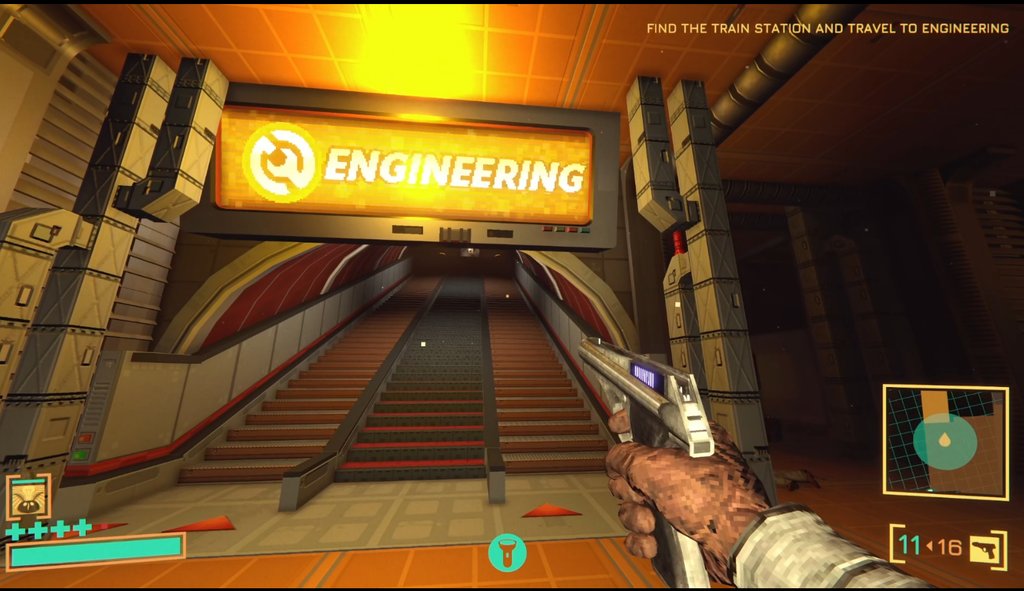
As an immersive sim, RetroSpace thrives on player agency, offering multiple creative ways to solve problems and tackle objectives. For example, during a sequence requiring a shutdown with two terminals, failing to find the secondary console led to an improvised workaround—and to my surprise, it actually worked. That kind of emergent player freedom is the beating heart of a great immersive sim.
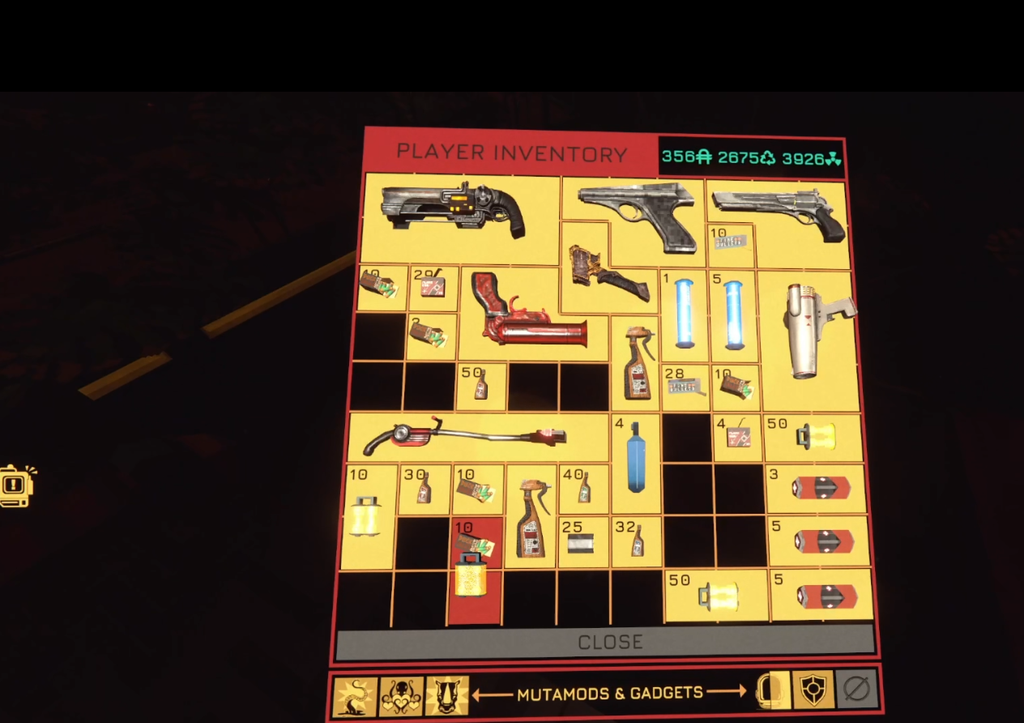
Your arsenal is delightfully eccentric. You start with a trusty power wrench for melee encounters, a pistol, and a few more secret weapons waiting to be found. A standout tool is the cleaning spray bottle, used to clean up blood and grime, which surprisingly pulls its weight during exploration.
Beyond standard exploration, you can scan enemies to learn more about them, and the game is packed with hidden secrets, secret bosses, and a wealth of clever references and nods to classic movies and other games. Finding a famous, cool content creator hidden away as Easter eggs adds an extra layer of charm that makes combing through every corner rewarding.
Traversal and backtracking are generally enjoyable thanks to strong, memorable level design. However, the game stumbles a bit in the mapping department; it lacks a robust map interface to track hidden areas, names, and directions. After a three-hour session, you will likely find yourself wishing for a clearer navigational overlay.
Abilities and Upgrades
Progression is split into two distinct trees: technological advances and mutations.
Gadgets: Offer classic sci-fi utility, such as a cloaking device to slip past threats.
Mutamods: Grant biological advantages, including a game-changing survival perk appropriately named “The Octopus.”
Presentation: Style, Sound, and Voice Acting
The overall narrative is fun, bizarre, and dripping with personality. The writing, dialogue, and cast give the game a unique retro style that feels genuinely memorable. The incorporation of a pixel-art aesthetic during certain sequences hits that nostalgic sweet spot, evoking a sense of youthful wonder.
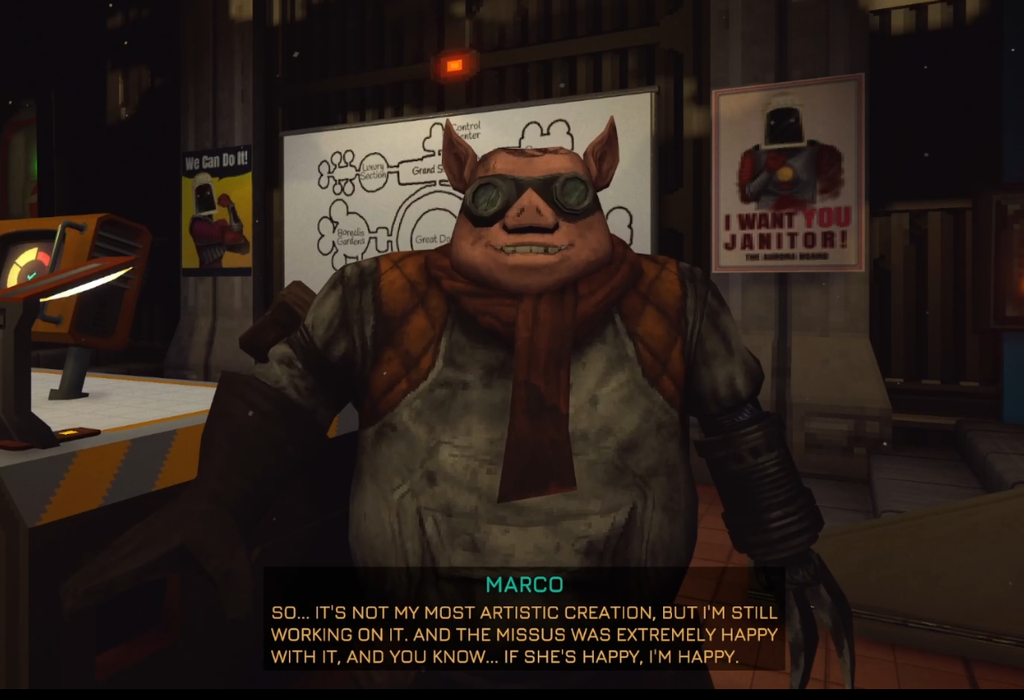
The voice acting is solid across the board, and the environmental storytelling via dead crew notes and audio recordings is remarkably well-written for an indie title and voiced. It’s charming enough that it just might inspire you to check out the developer’s previous work, Chicken Police.
World Design
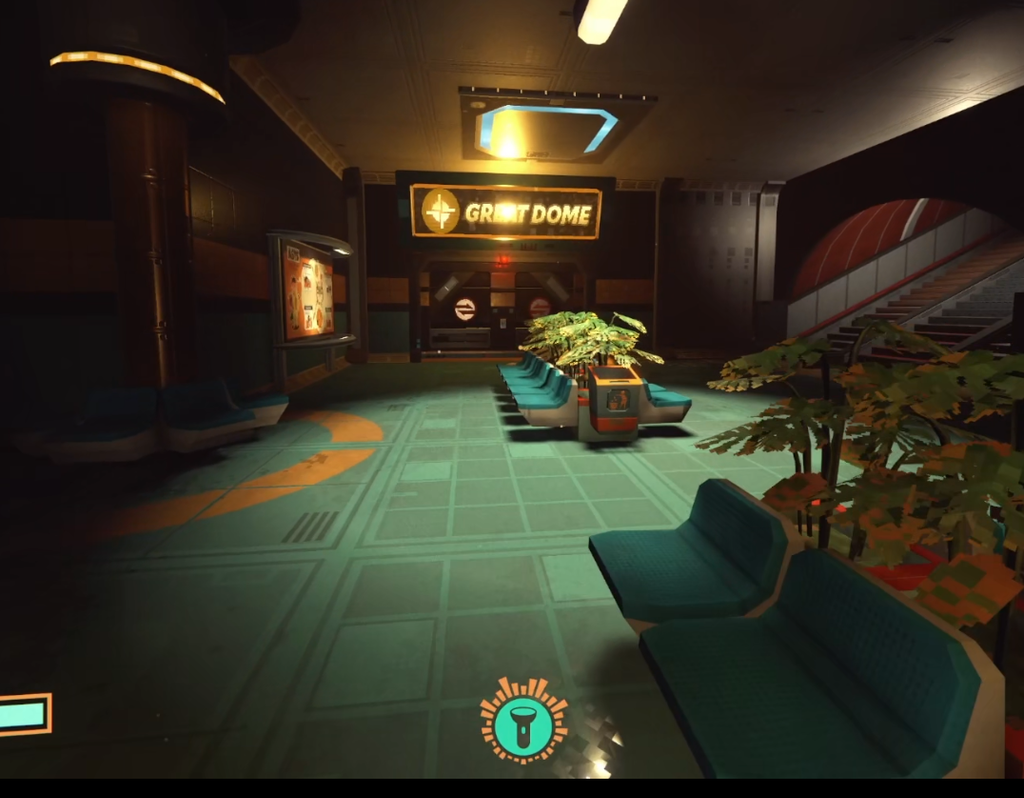
The layout of the Aurora 5 is exceptionally well-crafted, and the distinct district sections give each part of the vessel its own identity, so the ship feels like a place rather than a string of corridors. Moving trains add a sense of life and scale to the colony ship, making it feel like a working city-ship that was in the middle of its day when everything went wrong. That level design is also what makes traversal and backtracking so enjoyable, since revisiting an area rarely feels like a chore. It’s a big part of why the lack of a robust map stings a little, because the spaces are good enough that you want a better way to keep track of them. Enemy variety does its part too, keeping combat fresh and engaging and preventing the pacing from dragging into repetitive fatigue over the course of the campaign. Together, the setting and the things that inhabit it keep you curious about what’s behind the next door.

Final Verdict
Priced at around $19.99, RetroSpace is an absolute no-brainer recommendation for fans of the immersive sim genre. It easily punches above its weight class—you could happily pay $25 and walk away with a smile on your face.
It’s wacky, dripping with 70s retro-disco atmosphere, and captures a vibe that feels like a breath of fresh air from a bygone era of gaming. RetroSpace proves that no matter how many years pass, this distinct style and creative freedom never grow old, never get boring, and never lose their charm.
Gp says must play
- 21 hours in
- PC
- Life is a Game Magazine was provided a review copy for the purpose of this review
Leave a Reply