Witch and Dragon Demo Review: A Tactical RPG That Turns Combat Into a Puzzle
A hands-on look at the indie tactical RPG's demo, from environmental spellcasting to high-risk exploration and its central mystery.
EDITIORIALS
Stone
7/17/20265 min read
Indie games often live or die by the strength of their first impression, and Witch and Dragon makes a surprisingly strong one. While the demo only offers a glimpse into what the full game has to offer, it introduces enough mechanics, worldbuilding, and narrative intrigue to make me genuinely interested in seeing where the adventure goes. Between its tactical elemental combat, charming fantasy world, and mysterious story, this is a demo that I kept wanting to come back to instead of my other full-version games.
Before I could even begin my adventure, however, I ran into one issue that I hope is addressed before release. When launching the demo, the main menu defaulted to Simplified Chinese. Thankfully, the language can be changed in the settings, but if you don't already know where that option is located, navigating the menu can be a little confusing. It's a small issue that only lasts a minute or two, but first impressions matter, and starting players in the correct language would make for a much smoother introduction. Fortunately, once I got into the game, that concern quickly disappeared.
One of the first things I appreciated was the inclusion of three different difficulty settings. That's an excellent feature considering Witch and Dragon includes roguelike elements. Games in this genre often lean toward being intentionally punishing, so having difficulty options allows players to tailor the experience to their own comfort level. Whether you're looking for a more relaxed adventure or a tougher tactical challenge, it's nice to see that flexibility available from the start.
Elemental Combat Turns Every Battle Into a Puzzle
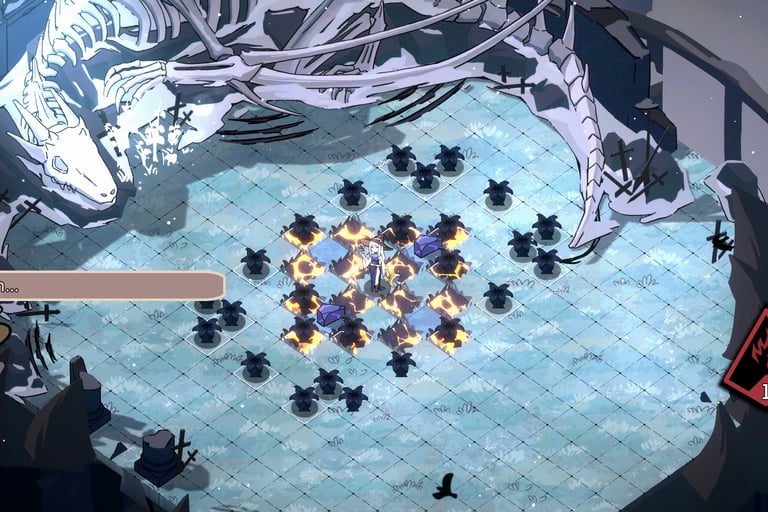
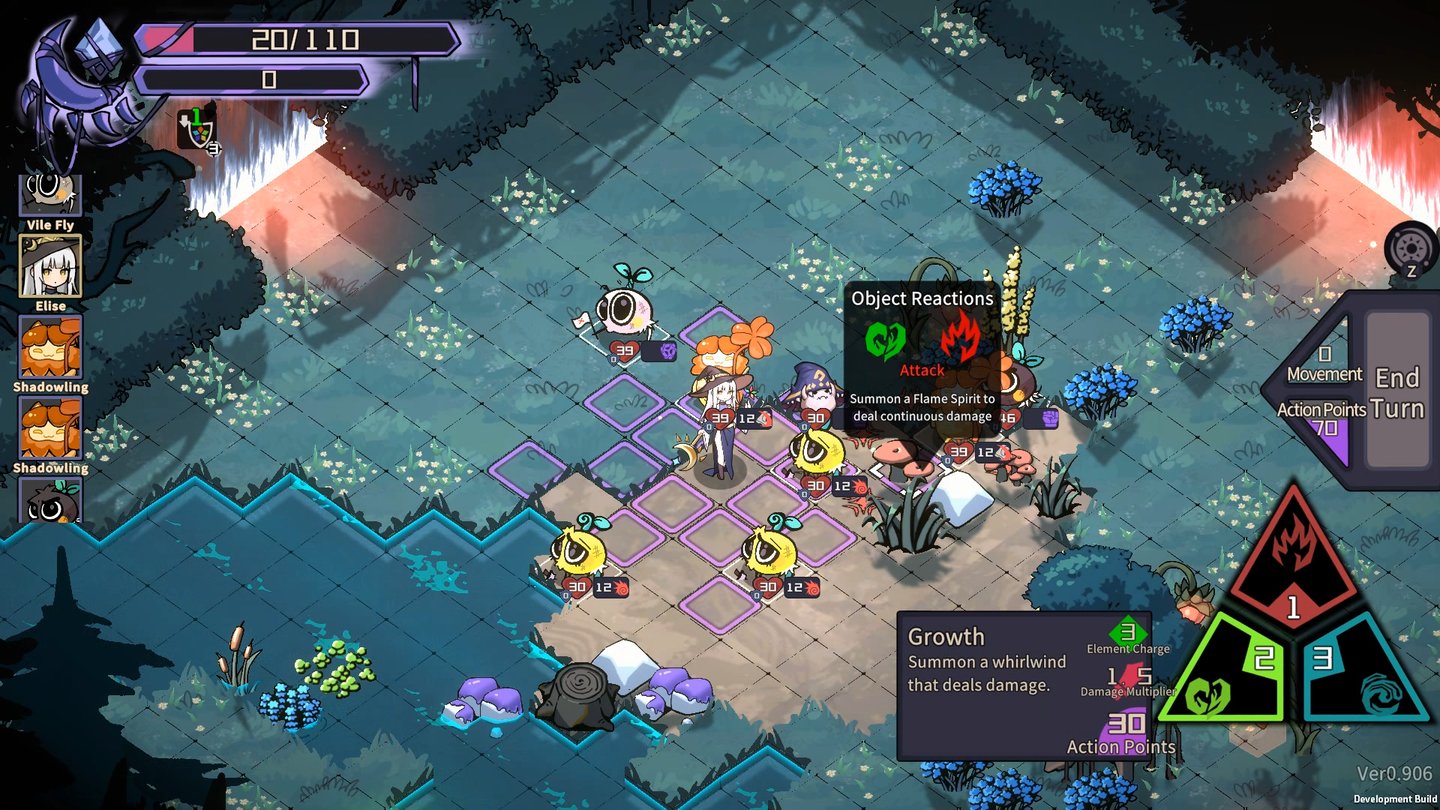
The biggest highlight of the demo is easily its combat system. Combat is turn-based, but it doesn't simply rely on choosing attacks from a menu and watching health bars disappear. Instead, Witch and Dragon encourages players to think about how their elemental abilities interact with both enemies and the environment. For example, using a fire spell directly on the ground causes the terrain itself to ignite, creating burning tiles that continue dealing damage. Casting that same spell on nearby environmental objects creates an entirely different result. That simple interaction immediately makes combat feel far more strategic. Rather than only considering which enemy to attack, you're also paying attention to your surroundings, environmental hazards, and positioning. Every battlefield becomes something you can manipulate instead of merely fighting across. It transforms combat into a puzzle where experimenting with different elemental abilities feels rewarding.
Even within the limited scope of the demo, I found myself looking for creative ways to use my spells instead of simply choosing the highest-damage attack. That's always a great sign in a tactical RPG, and I can only imagine how much more interesting these interactions become as additional elemental abilities and enemies are introduced throughout the full game.
Elemental Domains Give the World Its Own Identity
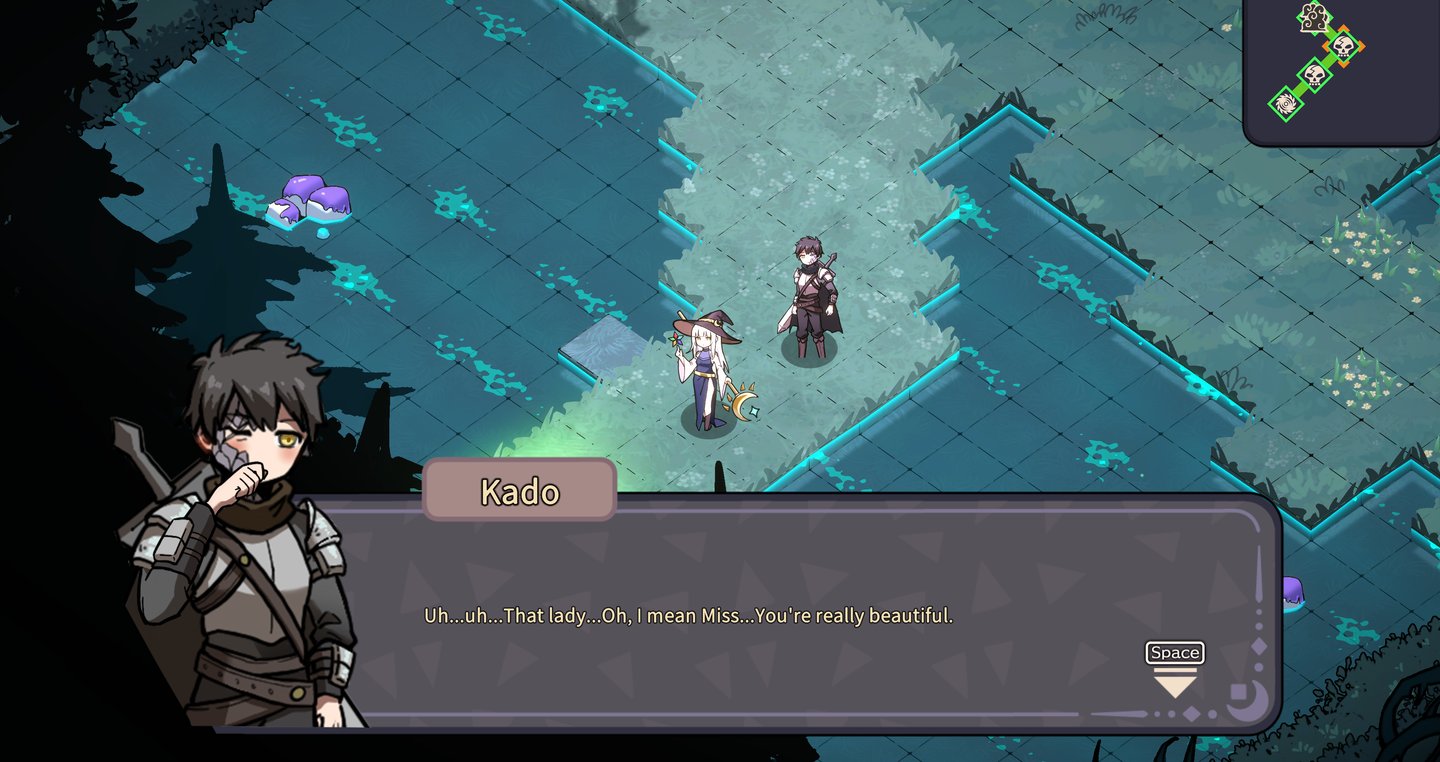
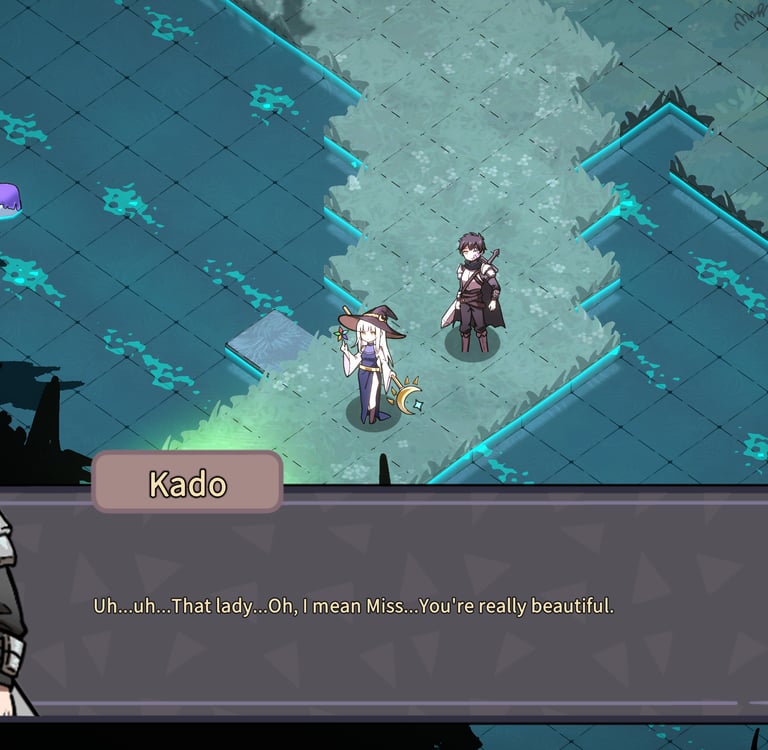
The elemental theme doesn't stop with combat either. One aspect of the world design that really stood out to me is how the map is divided into different elemental domains. Rather than presenting one large fantasy landscape where every area feels interchangeable, each region reflects a different elemental influence. It's a simple but effective piece of worldbuilding that helps every location develop its own personality while reinforcing the magical identity of the world. Not only does this keep exploration visually interesting, but it also makes the setting feel believable. Instead of traveling through generic forests or mountains, you're exploring environments that feel shaped by the elemental forces at the heart of the game's magic system.
Exploration itself is handled well. Throughout the map you'll occasionally discover areas marked as high risk. Rather than forcing players into these dangerous encounters, the game clearly communicates that these zones contain greater challenges while also offering greater rewards. I really enjoyed this design choice because it gives players meaningful decisions. If you're confident in your current build and understanding of the combat mechanics, you can take the risk for the possibility of earning stronger rewards. If not, you can continue exploring safer areas before returning later. It creates an excellent balance between player freedom and progression while encouraging experimentation instead of forcing a single path forward.
A Gameplay Loop That's Dangerously Addictive
As I continued playing, something else became increasingly apparent. The gameplay loop becomes surprisingly addictive. Every battle rewards experimentation, every new area offers something worth investigating, and every victory makes you curious about what lies just beyond the next section of the map. I repeatedly found myself saying, "I'll just finish one more encounter," only to continue playing much longer than I had originally planned.
That's largely because the game's different systems work together so naturally. Nothing feels disconnected from everything else. Exploration leads into dialogue, dialogue naturally develops the story, combat reinforces the progression, and every mechanic builds upon the last. Instead of feeling like separate gameplay systems stitched together, Witch and Dragon creates one cohesive experience where each element complements the others.
A Mystery Worth Chasing: The Witch, Her Dreams, and Pipi
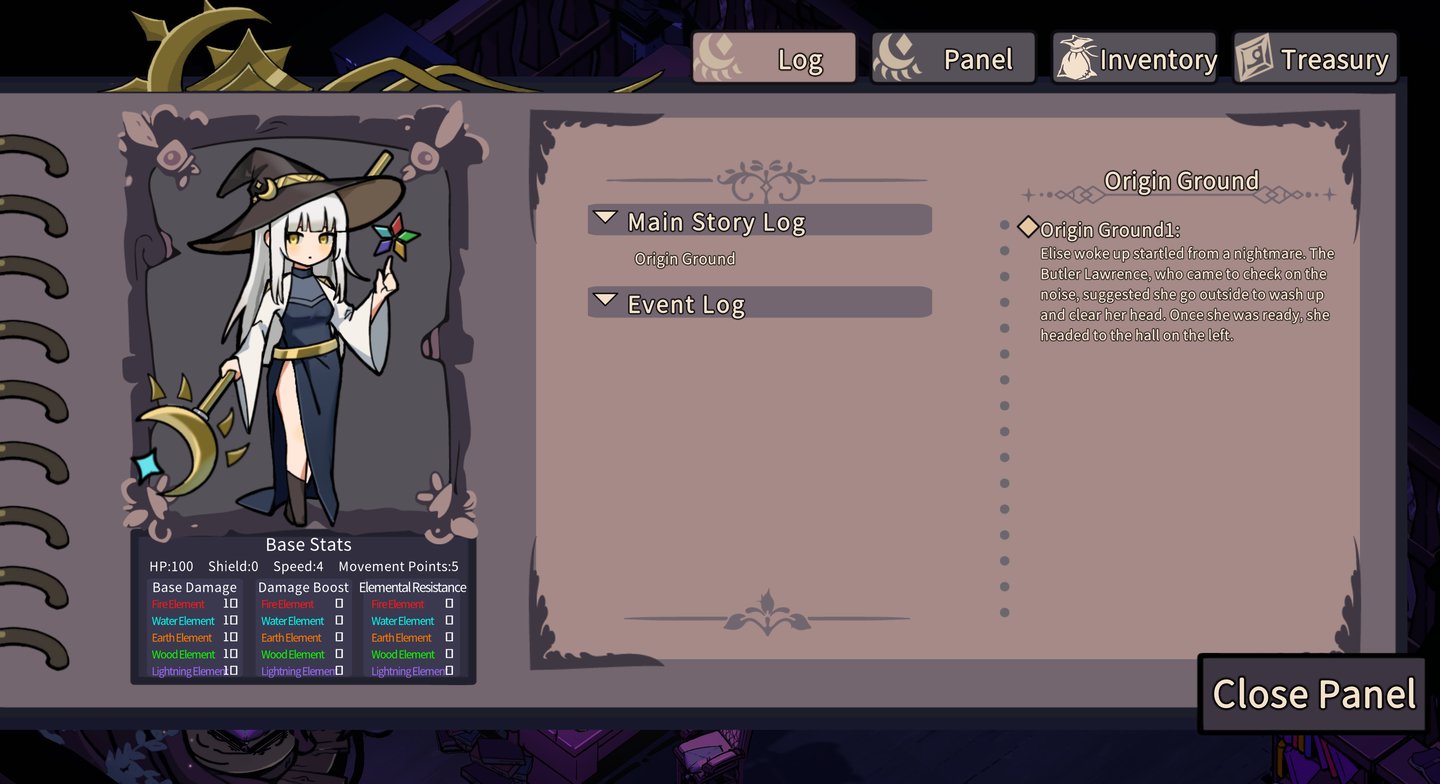
The story deserves recognition as well. While the demo only scratches the surface of the narrative, it introduces a mystery that immediately grabbed my attention. Early on, the witch begins experiencing strange dreams that clearly carry significant importance. Rather than immediately explaining what's happening, the game slowly introduces questions that kept me invested throughout the demo.
Why is she having these dreams?
What do they actually mean?
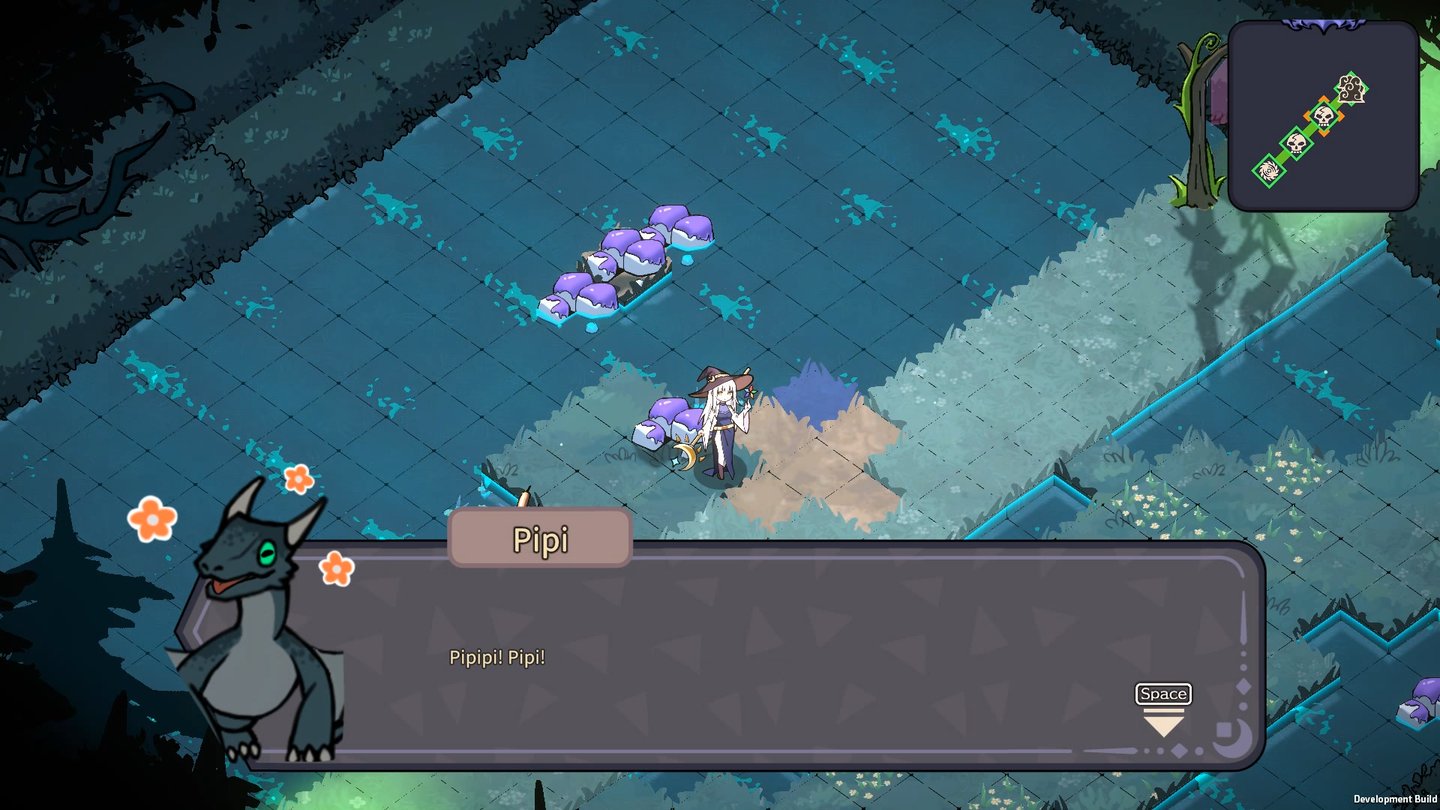
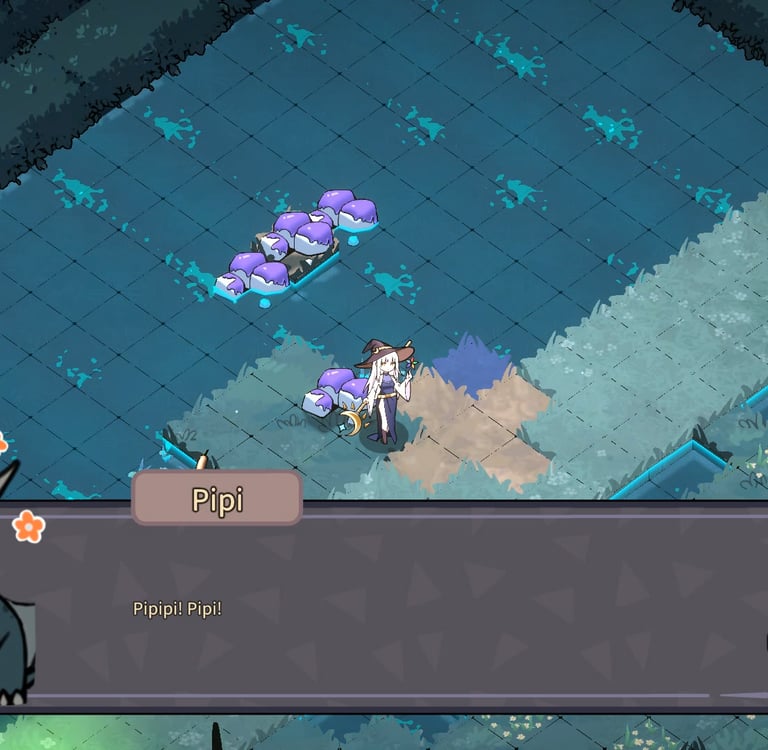
And perhaps the biggest question of all: what connection do these dreams have with the dragon companion, Pipi, who accompanies her throughout the adventure?
The demo wisely avoids giving away too many answers. Instead, it trusts players to become invested through curiosity alone. Every new conversation feels like another piece of a larger puzzle, making me genuinely excited to discover where the story ultimately leads.
Even during this early portion of the game, there's an obvious emotional connection between the witch and her dragon. Rather than existing solely for gameplay purposes, Pipi feels central to both the story and the larger mystery surrounding the dreams. I'm looking forward to seeing how that relationship develops over the course of the full game because it already feels like one of the strongest narrative hooks introduced in the demo.
A Cozy, Cohesive Art Style — and Smooth Performance
Visually, Witch and Dragon complements all of these ideas beautifully. The art style strikes a wonderful balance between colorful fantasy and cozy charm. Spell effects are vibrant without becoming visually overwhelming, environments are detailed enough to encourage exploration, and each elemental domain feels distinct from the last. Nothing feels out of place. The graphics, environments, animations, dialogue, music, and gameplay all seem to support one another. It's the kind of visual consistency that makes the world feel believable rather than simply attractive. Instead of individual features competing for your attention, everything works together to strengthen the atmosphere.
Performance throughout my play session was solid. Aside from the language issue on startup, I didn't encounter any major bugs, crashes, or technical problems that interrupted gameplay. Animations felt smooth, combat transitions were clean, and the overall experience felt polished for a demo.
Of course, there are still questions I'd like the full release to answer. I'm curious how much build variety will exist over longer runs. I want to see additional elemental combinations, more environmental interactions, greater enemy variety, and deeper progression systems that continue rewarding experimentation throughout multiple playthroughs. Fortunately, the demo provides enough evidence that those possibilities exist. The underlying systems already encourage creativity instead of simply maximizing damage numbers. Combat rewards careful planning, exploration feels worthwhile, and the story constantly encourages you to push a little further.
Perhaps the biggest compliment I can give Witch and Dragon is that it understands how to keep players engaged without relying on constant spectacle. The excitement comes naturally. By the time the demo ended, I wasn't satisfied because everything had been answered—I was satisfied because it made me genuinely excited to see what comes next.
Overall, Witch and Dragon left me with a very positive first impression. While I'd love to see the default language issue corrected before launch, that's ultimately a small blemish on an otherwise enjoyable demo. Its environmental spell interactions make turn-based combat feel fresh, the elemental domains create a world that's immersive to explore, optional high-risk areas reward player choice, and the mystery surrounding the witch's dreams and Pipi provides a compelling reason to keep playing.
Most importantly, everything flows together seamlessly. The gameplay, dialogue, combat, story, music, graphics, and art direction all complement one another to create an adventure that quickly becomes difficult to put down. If the full game continues building on these strengths while expanding its roguelike progression and narrative, Witch and Dragon has the potential to become a memorable tactical RPG that fantasy fans should absolutely keep on their radar.