Swan Song Review | The Cozy Rhythm Puzzle Game You Didn't Know You Needed
A Soft, Musical Puzzle Game That Knows Exactly What It Wants to Be
REVIEWS
TasticSilver
6/30/20264 min read
Swan Song is a short, charming rhythm puzzle game built around a simple but effective idea: use musical notes to guide a swan safely to the end. It’s not a huge game, and it’s not trying to be one. Instead, it focuses on a clean puzzle concept, a soft visual style, and a steady sense of progression that makes its roughly three-hour runtime feel complete.
The game starts simple, but as you move forward, the puzzles begin to ask a little more from you. New arrangements, tighter paths, and trickier placement slowly build on what you have already learned. It never feels overwhelming, but it does grow enough to keep the experience engaging.
That is Swan Song’s biggest strength. It knows what kind of game it wants to be. It is calm, musical, and puzzle-focused, with just enough challenge to make solving each stage satisfying.
A Soft and Musical Identity
The first thing that stands out about Swan Song is its presentation. The game has a warm, dreamlike look, with soft lighting, wooden music-box details, notes, and a gentle fantasy atmosphere. Everything feels connected to the idea of music and memory.
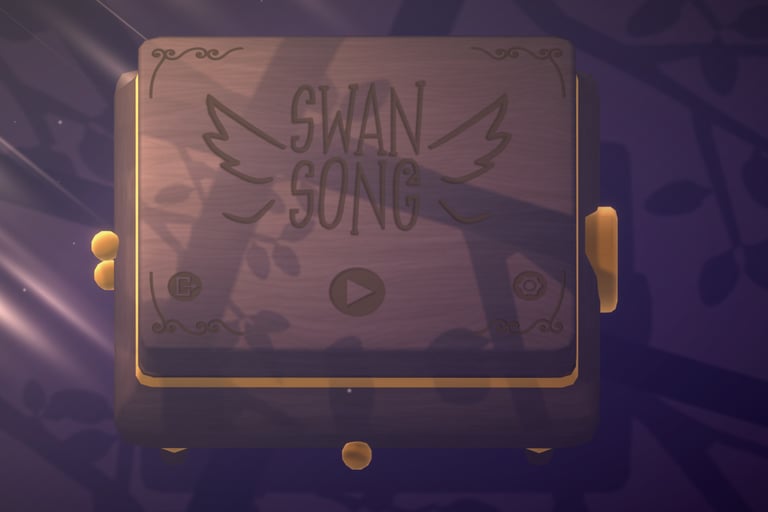
The main menu already sets the tone well. The wooden box, the handwritten “Swan Song” title, and the quiet purple backdrop make the game feel like something delicate and personal. It gives the impression that you are opening a keepsake rather than just starting another puzzle game.
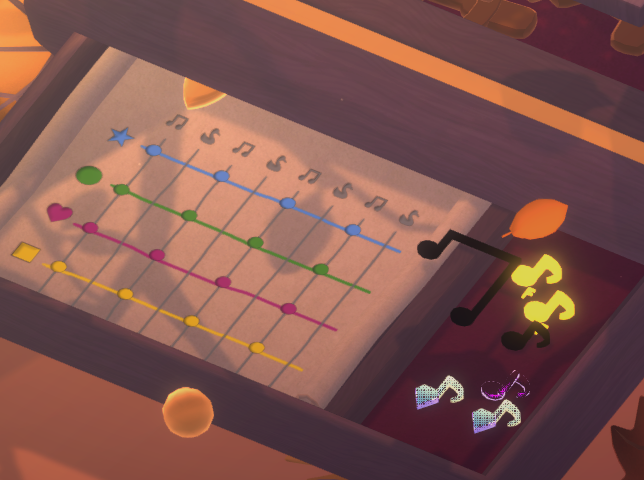
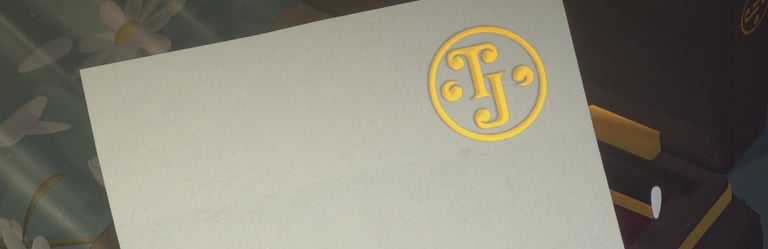
That feeling continues through the rest of the game. The musical notes, paper-like puzzle boards, and decorative secrets all help give Swan Song a strong visual identity. It’s simple, but it’s memorable.
Notes, Paths, and Puzzle Solving
Mechanically, Swan Song is built around guiding the swan by placing or using notes. The notes are not just decoration. They are the tools that shape the path forward, and each puzzle is about figuring out how to use them correctly.
The best moments come when you understand the rhythm of a puzzle. You see the path, place the notes, and watch the swan move toward the goal. There is a nice satisfaction in solving something that feels both musical and spatial.
The puzzles get slightly harder as the game goes on, which gives the experience a good pace. It starts approachable, then gradually adds more thought without becoming frustrating. That makes it easy to keep playing, especially because the game is short enough that it does not overstay its welcome.
For a three-hour game, the difficulty curve works well. Swan Song gives you enough time to settle into its rules, then gently pushes you to think more carefully before the ending.
A Small Story with Heart
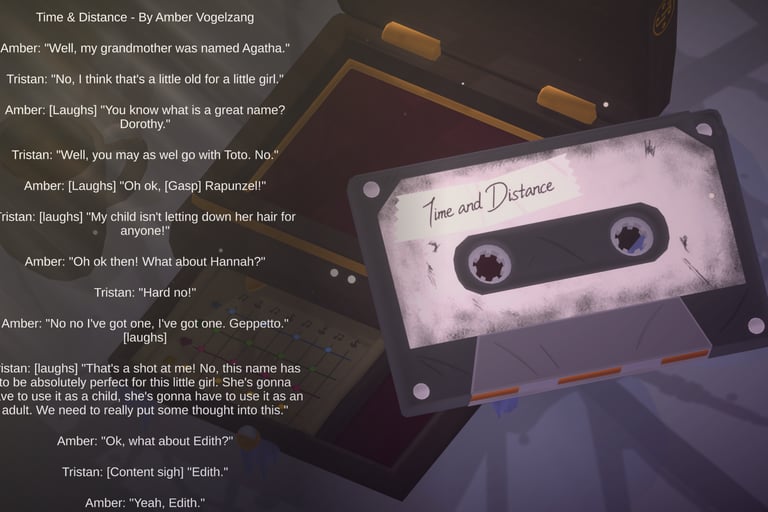
Swan Song also has a light story element, and it helps give the puzzle solving more meaning. The cassette tapes, written dialogues, and memories shown throughout the game make the world feel personal. It’s not just a collection of puzzle rooms. There’s a sense that the music is connected to something emotional.
The dialogue has a natural, warm quality to it. Conversations about names, family, and little jokes give the story a human touch. It feels like the game uses music to remember people and moments, which fits the soft presentation well.
The story does not need to be huge to work. It adds just enough context to make the journey feel sweeter and more thoughtful.
Secrets Add Extra Charm
The secrets are a nice bonus. They give players a reason to look more closely at the environment and pay attention beyond just solving the main puzzle. Small hidden details, collectibles, and musical decorations help the game feel more handcrafted.
These extras also fit the tone of Swan Song. They are not loud rewards or major upgrades. They are gentle discoveries that make the world feel a little more alive.
For a short puzzle game, that matters. The secrets help make the game feel fuller without making it feel padded.
Where It Falls Short
The main limitation of Swan Song is that it’s simple. Once you understand the core idea of using notes to guide the swan, the game mostly builds on that same foundation. The puzzles do get harder, but the experience does not dramatically change.
That is not necessarily a bad thing. The game is only around three hours, so it does not need a massive amount of variety. Still, players looking for a rhythm game with complex timing mechanics or a puzzle game with constant new systems may find it a little light.
The rhythm side also feels gentler and puzzle-like than intense. This works for the tone, but it’s worth knowing going in. Swan Song is more about musical movement and thoughtful note placement than fast reactions.
Final Verdict
Swan Song is a lovely little rhythm puzzle game with a clear identity and a satisfying sense of progression. Its note-based puzzles are fun, its difficulty grows at a comfortable pace, and its soft music-box presentation gives the whole experience a lot of charm.
It’s not a long game, and it does not try to constantly reinvent itself. But for what it is, Swan Song works well. It offers a pleasant three-hour journey built around music, memory, and guiding a swan one note at a time.
For players who enjoy cozy puzzle games, gentle rhythm mechanics, and short experiences with a strong visual mood, Swan Song is easy to recommend. It’s simple, sweet, and fun in exactly the way it wants to be.
Life is a Game Magazine was supplied a copy of Swan Song for this review