Nioh Review
Float Like a Butterfly, Sting Like a Bee
REVIEWS
MattGhostie
2/3/20265 min read
I have been a fan of the Souls like genre for many years now. I have played nearly every FromSoftware title available, including the dark corridors of Lordran and the sprawling fields of the Lands Between. While I still need to remedy my lack of experience with Demons Souls and Sekiro, I have branched out into many other titles like Code Vein and Black Myth Wukong. I generally enjoy the genre as a whole, but I had never actually sat down with Nioh until recently. From what I could gather through internet discourse, Nioh was one of the first games to really take a swing at the FromSoftware piece of the pie. When I finally picked up the collection for the PS5, I was excited to see why this series has earned such a dedicated following and multiple sequels.
What I came away with was a game that does some incredibly interesting things with the established formula. However, it also misses out on some of the underrated parts of the Soulsborne series that make those games so captivating for me as a player. Nioh is a strange beast that demands you unlearn your habits while simultaneously rewarding your technical skill.
The Rhythm of the Ki Pulse and Stances
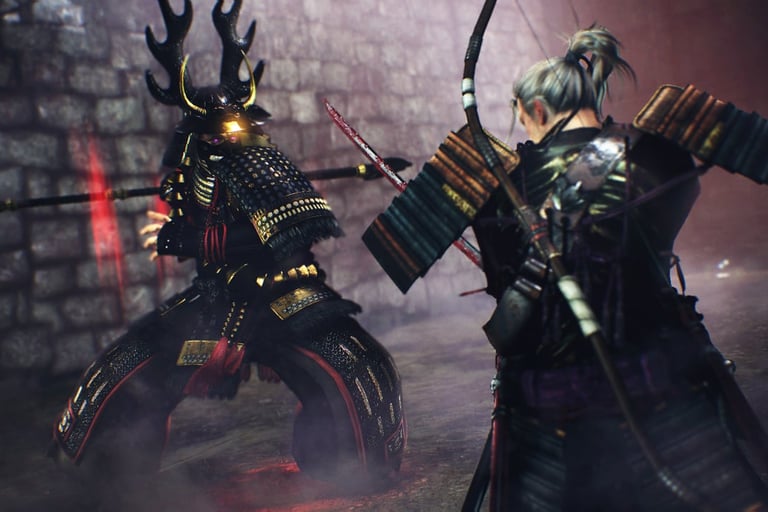
The most unique thing Nioh brings to the table is the utilization of the Ki system. In a standard FromSoftware game, your stamina is a bar that regenerates at a fixed rate which you can only slightly influence with gear or skill points. Nioh turns this on its head by introducing a mechanic that feels almost like the active reload system from Gears of War. When you burn through your stamina, you have a brief window for a timed button press called a Ki Pulse. If you hit it perfectly, you regenerate your stamina much faster.
This creates a distinct rhythm to the combat that most other games in this genre simply do not have. You still have to count your swings like a normal Souls game, but if you master the Ki Pulse, you can extend your combos and your offensive pressure quite substantially. I enjoyed this a ton. Rather than focusing purely on the dodge rolls of prior games, Nioh leans into stamina management via blocking and pulses.
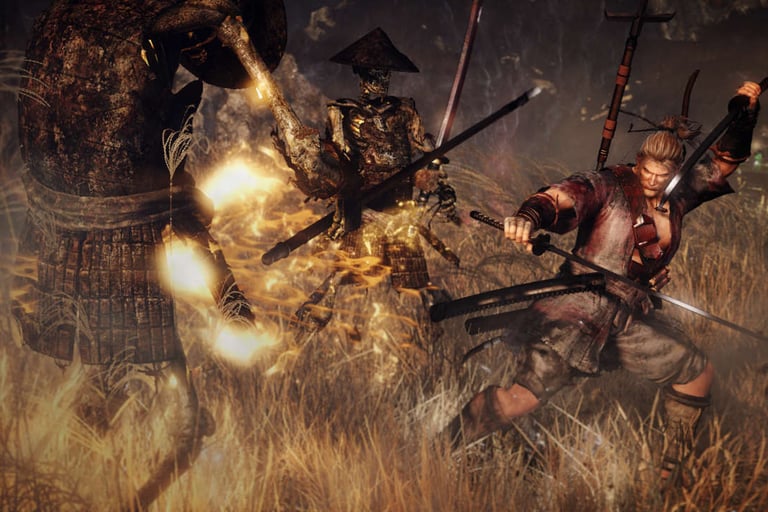
Adding to this depth is the stance system. Being able to shift between Low, Mid, and High stances on the fly gives the combat a layer of strategy that feels like a true martial arts simulator. Team Ninja really understood how to make a samurai feel powerful through speed and precision. It differentiated itself beautifully from other games of that era. Up until Sekiro released, the genre was almost entirely about dodging. Nioh felt like it was starting the conversation about aggressive combo strings and breaking down an enemy defense long before it became the industry standard.
The ARPG Loot Rabbit Hole
The most fascinating part of Nioh is how much it leans into being an Action RPG. Not enough people highlight this aspect when discussing the game. While the combat is fast paced, the gear system is what truly defines the experience. Every enemy you kill is a chance to drop a piece of gear that could fundamentally increase the power of your character. I have to admit that I am a self proclaimed enjoyer of loot systems. If you give me tiered loot with different colors, I am probably going to be hooked.
What is really cool about unlocking a new gear tier at the end of the main story is that it encourages you to keep playing to tackle those higher level Twilight missions. There are a lot of deep systems here, especially for an older game. Character action fans will enjoy the tons of different weapon types, armor archetypes, and skill combos to learn. Each piece of gear could potentially be the thing that finally unlocks your build, which is an awesome feeling for any fan of the genre. It turns the game from a simple journey into a long term project of optimization.
The Late Game Slog and Scaling Issues
However, by the time I reached the end of the game, I found that it had become an absolute slog. Point blank, the last two regions were not very much fun. Most of the enemies were one or two shotting me regardless of my armor. I felt like I was not being rewarded for properly investing in my character or the time I spent learning the weapons. The bones of the game are there, but it failed to manifest into something truly cool in the final hours.
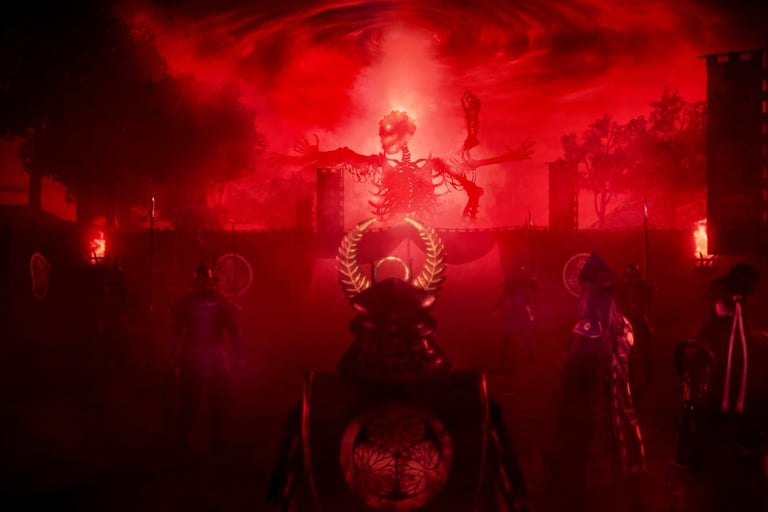
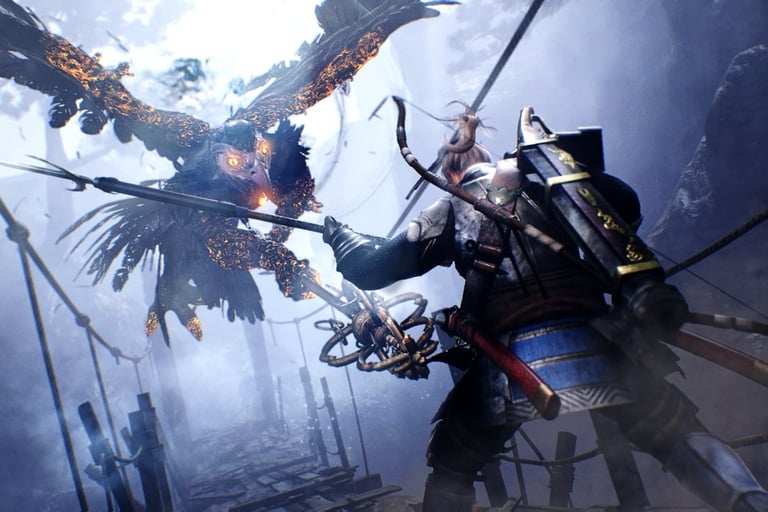
Most of the bosses had fairly simple move sets, but they hit so hard and the hitboxes were off enough that the game felt genuinely unfair. The end of the game relies on many gank fights and areas that test your patience rather than your skill. It becomes less about what you have learned and more about beating your brain against a wall until you finish. The last level in particular felt like insanity. By the time I reached the Boss Rush at the finish, I was completely over the experience. It felt like the game was no longer respecting my time or the skills I had built up over thirty hours of play.
The Verdict
It is a shame because up until that last twenty percent of the journey, I was having a pretty good time. It was tough and much harder than the Souls games in my opinion, but the new mechanics and design choices were refreshing. The level design overall was quite good, providing a nice variety of Japanese historical and mythological backdrops, even if the visual clarity was sometimes lacking.
I am glad this game succeeded because I see the potential in its foundation. I would love to play Nioh 2 at some point to see how these systems evolve, as I have heard that the sequel addresses many of these balancing frustrations. Ultimately, this first entry falls into the middle tier for me. It is not perfect and it is not terrible, but it is rough enough that I would give anyone a warning before recommending it. I hope you enjoy the journey, but just know that the end might leave you feeling as drained as I was. It is a game that starts with a brilliant spark but ends with a flicker.