Gaming Subscriptions Are Costing You More Than You Think
How to Stop Letting These Companies Take Advantage of You
EDITIORIALS
Spencer K
5/26/20266 min read
"Man, I can't wait until they raise the price of Game Pass again". Said no one ever...
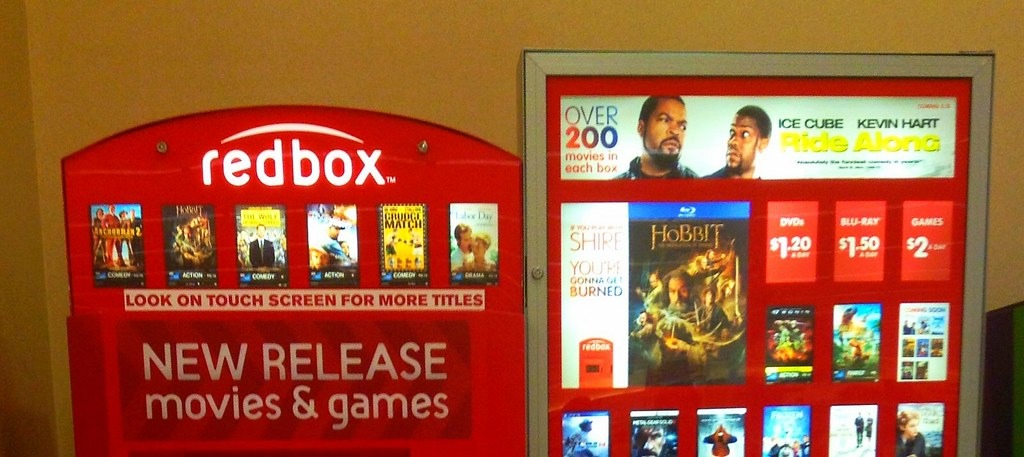
Subscription based gaming has been around longer than you might think. Redbox launched in 2011, Gamefly was established in 2002, and Blockbuster was renting video games all the way back in the early 90s (gone but not forgotten). Today things look a bit different where you're probably more familiar with Xbox Game Pass, PlayStation Plus, and Nintendo Online. The names have changed but the game remains the same.
Personally I was a pretty big fan of these modern subscription services. With Redbox, Gamefly, and Blockbuster you had the hassle of tracking down physical copies. Retailers often didn't have new releases at launch, and if they did they were immediately rented out and unobtainable, which obviously sucked for us kids trying to snag the latest and greatest stuff. These new digital only services eliminated all of that friction when they came along. I'll forever miss the days of walking into a Blockbuster on a Friday afternoon after school and stocking up on movies, games, and candy for the weekend ahead. There was always a certain magic in the air, a breeze that threatened to whisk you away on all sorts of adventures throughout the weekend.
(Sidenote: If you miss Blockbuster, look up local DVD and video game rentals. Local businesses copying Blockbuster's old format are genuinely making a comeback.)
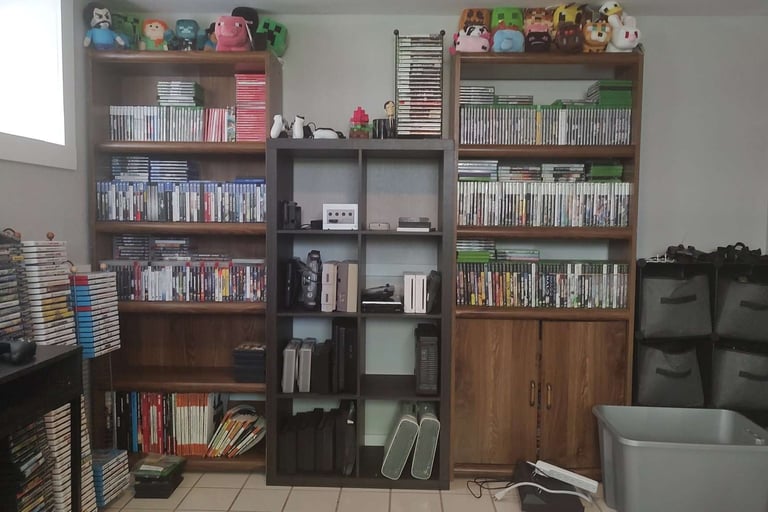
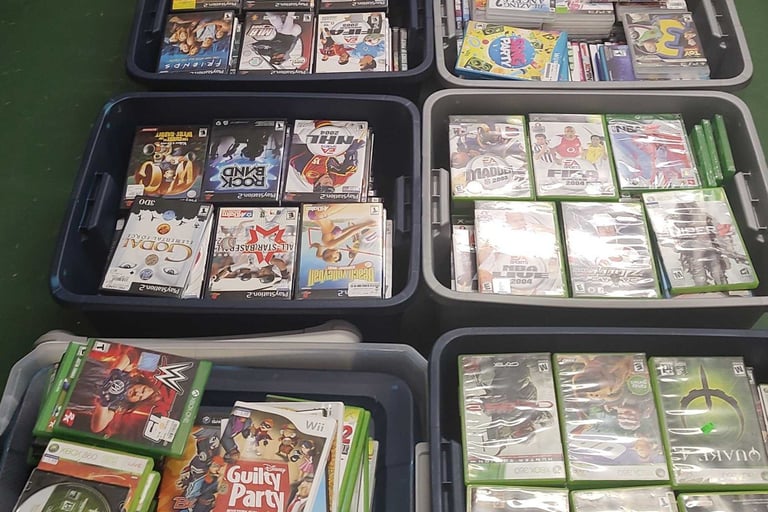
I have plenty of wonderful memories of old school video game rentals, but I've also been a big supporter of modern subscription services. I've been bouncing between Xbox Game Pass, PlayStation Plus, and Nintendo Online since 2018, depending on which tickled my current fancy. Despite all of that, I have dedicated my entire adult life to collecting physical copies of video games. Over 2,500 at this point. My favorite part of owning that many games is when a family member or friend comes over and spots something from their childhood they had completely forgotten about, and the pure joy on their face when we load it up in the game room.
It's pretty obvious that I prefer physical media. But I also think digital ownership and subscription services are an incredible tool when used correctly. Unfortunately I think they are being utilized incorrectly in today's gaming world, and I think it's by design. More on that shortly.
The Case For Subscription Services
Let's start with the pros because there are real ones worth acknowledging.
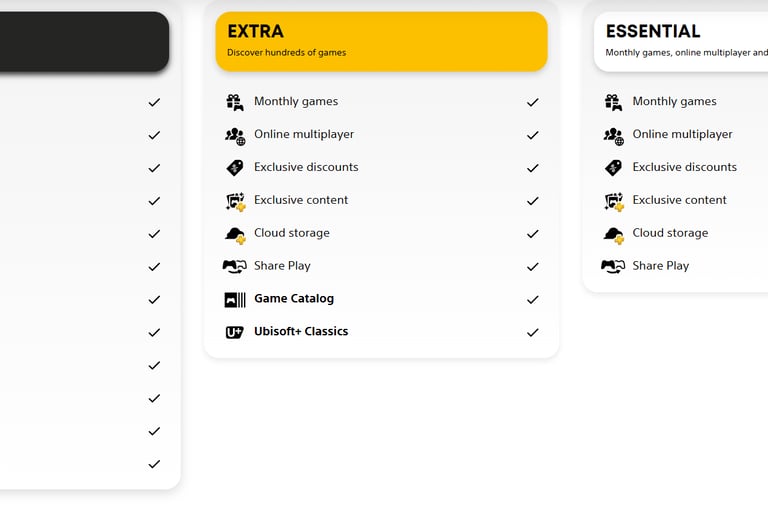
Modern subscription services are far easier and faster to access than any physical rental service that came before them. They're digital only, instant once your payment goes through, and Xbox, PlayStation, and Nintendo all have clean, simple websites that lay out exactly what's included in each tier. They also have coming soon and leaving soon pages so you're never blindsided by a removal so you're saving time and you're always aware of what will be available.
The game selection is genuinely strong too. There's a healthy mix of major releases and lesser known titles, and you really have to go out of your way to not stumble across an indie or AA title you immediately fall in love with which can be great for both customers and developers alike as smaller studios may have a better shot at being discovered in this "rental catalogue" than among the sea of games present on a traditional storefront.
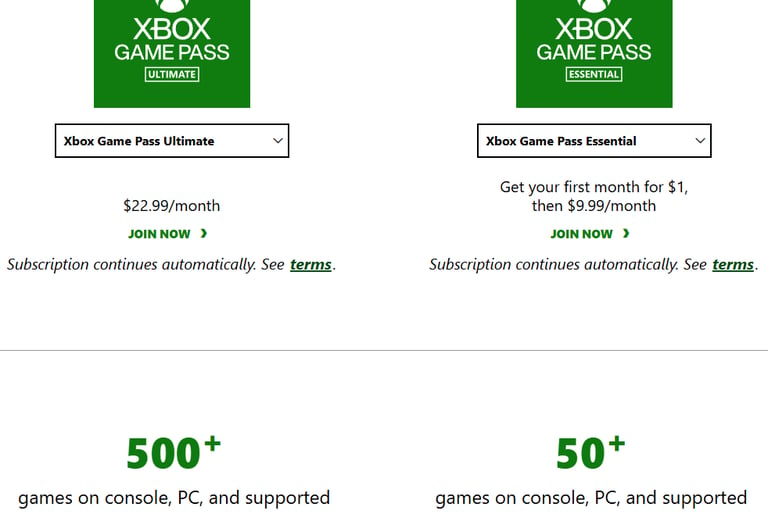
If done correctly, renting through modern subscription services can also be incredibly cost effective. The most expensive plan among the big three is Xbox Game Pass Ultimate at $22.99 a month. Three months of that comes to just under seventy dollars, which is roughly the same price as a single new AAA game. That means if you play one new release and anything else during those three months, you've already gotten your money's worth, so depending on your purchasing habits there's a real argument to be made on the value side. Most services also offer exclusive discounts on catalog games if you want to buy to own, especially when a game is about to leave. Combine that with a smart ownership budget and you have a genuinely effective way to build your library.
But we can't only focus on good forever...
The Case Against
The biggest con is lack of ownership, and it's a significant one. If your internet goes down or you cancel your plan, you immediately lose access to every game you don't hold a permanent license for once your membership expires. A lot of people see monthly subscription fees as money that should have been saved toward actual ownership instead. And honestly it can be tough to argue against that.
The basic Xbox Essential plan is $9.99 a month. You could use that purely for online play and save the remaining thirteen dollars toward buying games outright. There's something to be said for that approach, especially when so many games offer more than a month's worth of content at this point.
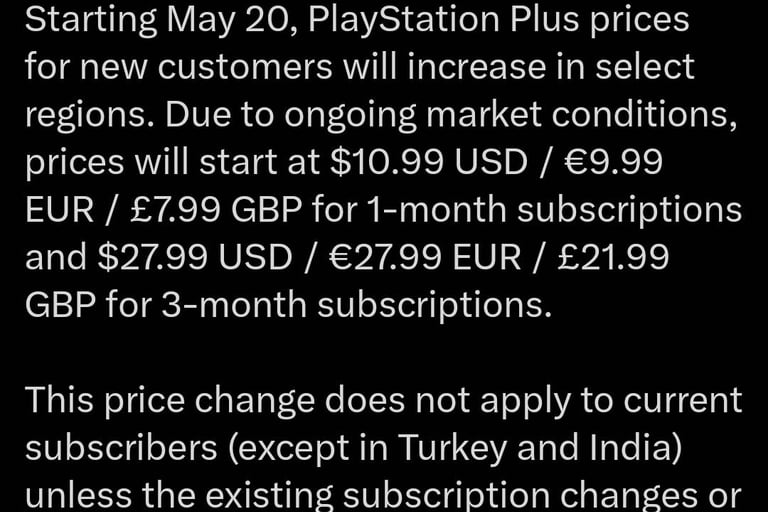
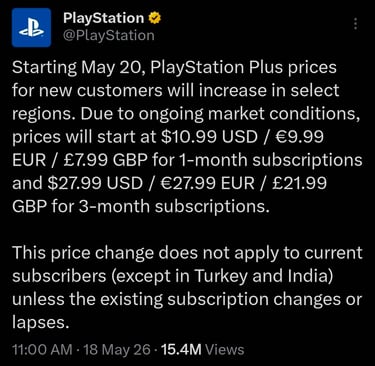
You also have zero control over what gets added or removed. You can discover your new favorite game only for it to disappear from the catalog a few weeks later, which can feel unfair or like your value is being limited. And there's no price lock guarantee. You can sign up today and face an increase next month. Unfortunately price hikes have become increasingly common, with Sony just announcing another PlayStation Plus increase recently and Xbox's own Game Pass fluctuating quite a fair amount including a full revamp of their tiered system.
There's also the subscription fatigue factor. Our lives are already full of recurring bills. Music, movies, cable, sports, podcasts. Now potentially multiple gaming subscriptions on top of all of that. It's a lot and choice paralysis can leave you feeling like you don't even want play anything at all. I've personally started collecting DVDs again because I'm exhausted by the constant subscriptions.
So there's obviously pros and cons but there's likely even more at play.
Why I Think It's Intentional
Here's where I want to make a broader point, because I think something more deliberate is happening here.
Every major gaming console currently requires a paid subscription to access online features. If you're a single console gamer that's not a big deal. But if you're like me and you have a Nintendo Switch, an Xbox Series X, and a PlayStation 5, you're paying for three services that you can only ever use one at a time. Assuming you only pay for the basic plan on each, that's still roughly twenty two dollars a month just for online gaming. Most people want the premium features, which pushes that number closer to fifty dollars a month after taxes. That's six hundred dollars a year. At seventy dollars a pop, that's eight and a half AAA games worth of money spent purely on subscriptions, with nothing to show for it in terms of ownership.
These companies know that many of us have multiple consoles. They know we can only use one at a time. They know we have to pay for online access just to use features we're already paying for through our hardware and internet bills. And they tempt us with premium tiers that offer more benefits while knowing full well our time limitations because no one wants to be on the basic tier. That's why I think it's intentional. These services are designed to extract more money than most gamers realize they're spending while essentially keeping players locked into an ecosystem because they don't own anything to take with them. It's almost hauntingly genius.
A Better Way to Do It
The good news is there's a smarter approach, and it's the one I've settled into personally.
Focus on one subscription at a time. You can only play one game at a time anyway, so if there's something on Xbox you're dying to play, cancel your PlayStation Plus for a few months and dive into Game Pass. Really explore the catalog. Find some AA and indie titles you'd never have discovered otherwise. Take full advantage of what you're paying for and maybe even make a purchase or two in order to either support the developers or simply hold onto a little ownership when you hop over to another service. Then when you're ready to move on, cancel it and hop back to PlayStation Plus for a few months.
On average I rotate between Xbox and PlayStation on a six month cycle. The savings over a full year are significant, and there's an added bonus: after a six month break from a service, the catalog feels completely refreshed. You'll notice a massive difference compared to staying subscribed continuously which can help it feel novel and valuable again, just like walking into a video game store on a Friday afternoon.
This method also creates room to budget for actual ownership. If you can set aside a hundred dollars a month for gaming, subscribing to one service at ten to twenty three dollars still leaves you seventy five dollars or more. That's enough to buy a AAA game every single month while still having access to a rotating rental catalog on top of it. You can own twelve AAA games a year and rent a variety of others just by being intentional about how you manage your subscriptions. And the best part is, you don't even have to change your spending habits, just how you allocate money toward the hobby you love.
The Bottom Line
I'm not a financial advisor. I have no degree in finance or anything professionally related to this. What I am is a passionate gamer who hates seeing friends and family pass on a game they were excited about, or give up on gaming entirely because they think it's too expensive.
Even though gaming is incredibly accessible it is also the most expensive it has ever been and it's not getting cheaper. But a healthy mix of ownership and controlled subscription use, built around a budget that actually works for your situation, will ensure you can afford this hobby for years to come. These companies are counting on you not doing the math. Do the math.