Death Stranding 2: On The Beach Review
And I would walk five hundred miles. And I would walk five hundred more
REVIEWS
Jack Green
3/3/20266 min read
Death Stranding 2: On the Beach Review
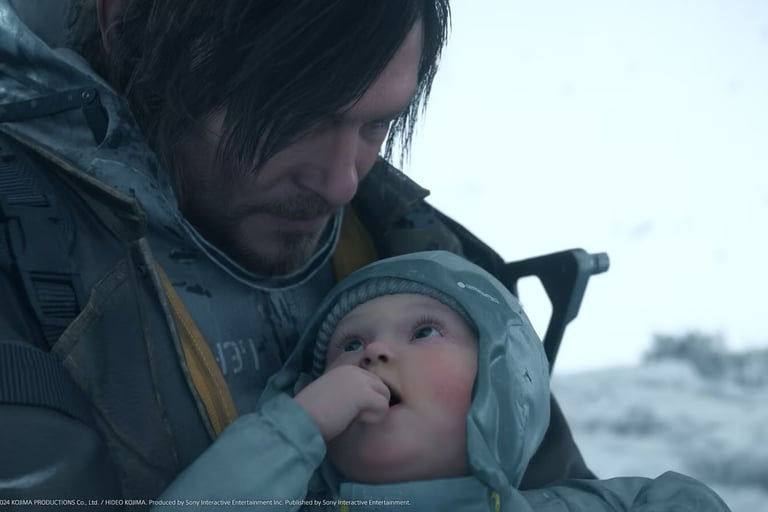
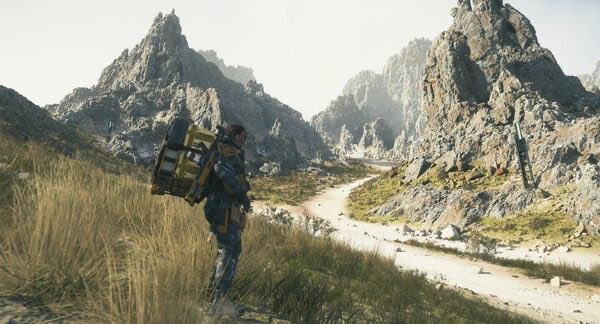
Hideo Kojima's long-awaited sequel to 2019's polarizing Death Stranding doesn't just iterate on its predecessor's ambitious foundation—it evolves it into something bolder, more refined, and utterly unforgettable. Death Stranding 2: On the Beach takes Sam Porter Bridges (Norman Reedus) back into a fractured world, this time traversing a hauntingly beautiful post-apocalyptic Australia (and glimpses of Mexico) to expand the Chiral Network. What starts as a slow burn of deliveries blossoms into a tapestry of stealth-action, emotional storytelling, and philosophical musings on connection, technology, and humanity's fragile bonds while showing and bringing you along into many shapes and forms of the world before and after while leaving you with ever burning questions.
As a parent this game took me onto a somewhat personal journey and had me almost stepping into the many boots Sam pulls on while at his ever-painstaking desire to pack it all in but deep down it’s a showcase of his willpower, determination and personal stake to be the one (again) to save his world and those dear to him.
It’s a ride-along game/movie packed with action, thrill, laughs and highs and lows, it pulls you alongside and in the middle of it all while questioning ones-self “how far will you go for the ones you love? Will you crumble and admit defeat? How far will you go to save your world? Will you risk it all for the connections created before and along-the way?
Story: A Weird, mind-meshing, epic conundrum.
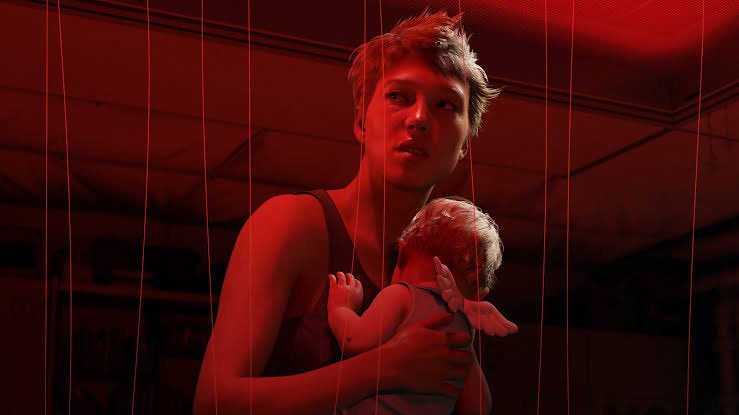
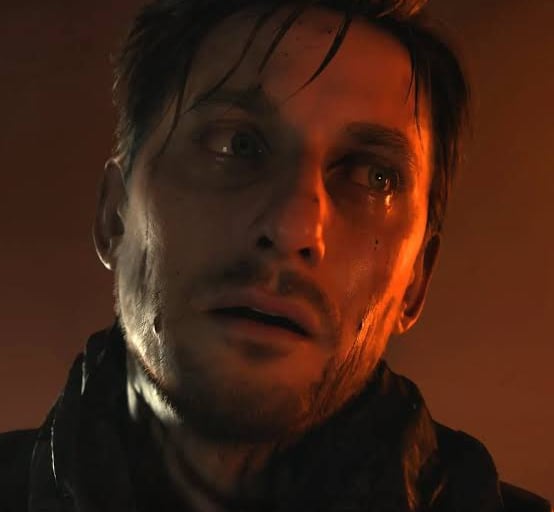
Eleven months after the first game's events, Sam has retreated to a quiet life with his adopted daughter Lou, but duty calls him back via the enigmatic Drawbridge organization. Joined by allies like Fragile (Léa Seydoux), a mysterious Tomorrow (Elle Fanning), and a villainous Higgs (Troy Baker in full glam-rock glory), the narrative dives into themes of isolation, gun culture, climate collapse, and the blurred line between digital and physical existence. Expect Kojima's signature flourishes: platypus semen missions, oily skulls, musical numbers, and jaw-dropping twists drawn from Moby-Dick and Interstellar. It's dense, self-referential, and occasionally convoluted—newcomers will need the in-game recap—but the emotional payoff in the finale ties everything together with heart-wrenching grace.
Good or bad every character comes with their own unique identity with many forms of backgrounds and an everlasting impact on the overall story. Cutscenes are cinematic marathons (some clocking 90+ minutes), but they're packed with stellar motion-captured performances that make every moment memorable. If you’re a Hideo Kojima fan then oh boy you’re in for a good time here! There are many easter eggs to pop culture and other games he has created in his legendary career up to date.
Gameplay: Walking Elevated to Art
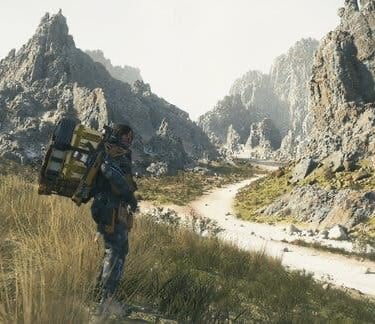
The core loop—schlepping cargo across treacherous terrain—feels smoother and more empowering than ever.
Early access to vehicles, exoskeletons, drones, and gadgets like blood boomerangs or hoverboard coffins strips away the original's grindy frustration without dumbing it down. Traversal shines with dynamic weather (sandstorms, Timefall, quakes) forcing clever route-planning via ladders, ziplines, and community-shared structures. Combat has leveled up dramatically: stealth takedowns, tranq snipers, and explosive set-pieces make encounters tense and tactical, while perks and skill trees let you specialize in delivery, combat, or exploration. Missions vary with time limits, fragile cargo, or boss skips, creating that addictive "just one more delivery" pull. It's still a 35-50 hour commitment best savored slowly, but quality-of-life tweaks like better inventory sorting and a Corpus glossary make it accessible. Drawbacks? Menus remain fiddly, the opening hours drag, and some fights can feel easy if you gear up correctly and sensibly but each action you take or what tool/weapon can have its drawbacks and positives that can tip the scale ever into your favour or against you.
Structures are affected by time, weather and an urgency on maintaining such useful mechanics is down to you alone. You can provide new ways to traverse the rivers, hills, mountains for other players who can tread along the same path as yourself.
Will it be a shorter journey or will it offer a scenic, atmospheric element too? Players can work together dropping well needed resources and tools and weaponry via request points while making new strands of connections and there is a window of opportunity to build upon this which in total makes it a community effort at moments where one day or week you may have found it tiresome to traverse a fatigued path or road.
Need to get somewhere in a pinch quickly? Fabricate a vehicle and leave it for someone else upon a key location to make a journey more bearable or borrow a fellow porter’s, the opportunities are limitless, the world is your oyster, you’re encouraged to go forth however you see fit while being able to walk into danger’s depths or away from it all to be safe than sorry.
Combat in Death Stranding 2: On the Beach – A Stealth-Action Revolution
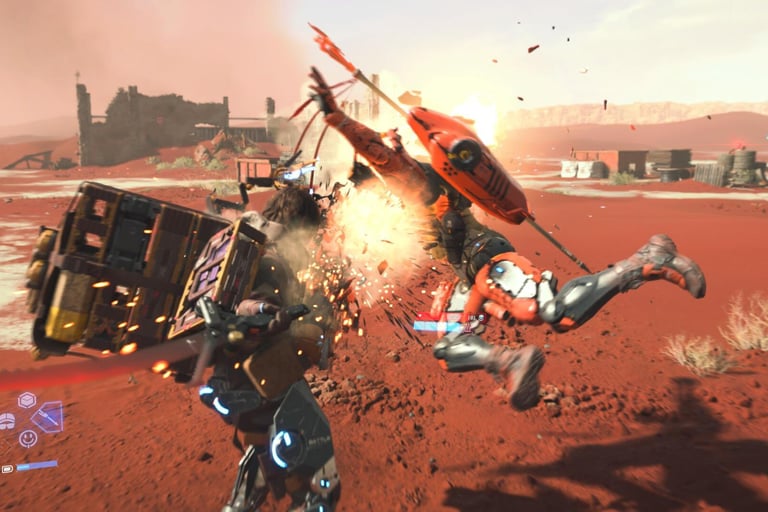
If the original Death Stranding treated combat as an occasional nuisance to avoid, its sequel transforms it into a highlight – a punchy, flexible stealth-action sandbox that feels like "Metal Gear Solid 6" in all the right ways. Hideo Kojima, responding to fan demand for more Metal Gear-esque action, has vastly expanded the arsenal, enemy variety, and player agency, making fights tense, creative, and downright fun. You can still ghost past threats with clever traversal, but now clearing outposts or battling BT hordes delivers pure adrenaline
preparation and playstyle freedom. Drop your bulky backpack for agile movement (a game-changer for CQC), tag enemies with your scanner or Dollman drone for tracking, and exploit day/night cycles – night patrols are thinner, but visibility drops. Proficiency levels (12 total) and APAS enhancements let you specialize: grind combat for better aim/handling, stealth for noise reduction, or porter stats for traversal perks. Strand rope enables infinite melee parries (time slows on prompt) and chokes, while vehicles become rolling death machines – ram foes, turret 'em from the cab, or auto-loot cargo with robotic arms. Outposts scale threat levels: ignore them and they beef up; clear 'em for loot and reduced spawns. Enemies revive knocked-out buddies, so isolate or tag 'em first. Environmental chaos amps tension.
Enemies & BTs: Smarter, Deadlier Threats
Human foes – bandits, Armed Survivalists – patrol camps with lethal intent, armored and mobile. Stealth takedowns from grass or chokes work, but groups demand chaos: snipe drivers, steal rides, go Rambo. BTs evolve with "Watchers" that see you (not just hear), forcing line-of-sight dodges amid tar pits. Mechs punchable with power gloves, vehicles for ramming.
Boss Fights: Surreal Spectacles
Bosses are "jaw-dropping" cinematic marathons – tentacle mechs, tar monstrosities, Higgs' glam-rock rampages – blending weak-point shooting, evasion, and environmental flair. Skippable but unmissable for visuals; challenging yet fair, ditching DS1's plodding, you will encounter unique BT’s that can catch you off-guard while traversing the world regardless of being on an order or just exploring and taking in the many dropbacks and views, each have weak points you’ll just have to figure out how and where they are and how you want to tackle them
Graphics, Sound, and Atmosphere: Transcendent
Powered by the Decima Engine, the game is a visual feast—photorealistic deserts, oversized moons, and ruined architecture that demand photo mode worship. PS5 performance is flawless, with haptic feedback turning every footfall into poetry. The soundtrack, blending Woodkid's bombast, Low Roar's introspection, and Ludvig Forssell's motifs, perfectly underscores the melancholy drives and epic set-pieces.
Every song is neatly placed in and played at sequential moments in-game, you can carefully upon unlocking songs you’re able to create your own playlist while being able to see what songs are popular with other players.
Verdict
Death Stranding 2 isn't for everyone—its deliberate pace and eccentricity will still alienate speedrunners—but for those who vibed with the original, it's a masterpiece of iteration. It polishes the rough edges, amps the action, and delivers one of 2025's most emotionally resonant tales. If the first game was a risky experiment, this is the refined evolution: profound, playful, and profoundly replayable.
Play, connect, and prepare to be stranded on a beach.
(Played on PS5, ~45 hours to main story completion. PC version drops March 19!