Deadhaus Sonata Early Access Impressions
A Gothic RPG With a Lot of Promise and a Little More Time to Go
EDITIORIALS
Stone
5/13/20264 min read
Deadhaus Sonata stands out with the strong identity of lore collection, exploration, and strategic card-based gameplay. While some systems still feel rough around the edges- as expected from an unfinished title- the foundation is clear and loaded with potential. From the opening tutorial, this game feels like it is trying to carve out its own space within the dark fantasy RPG genre, rather than imitate. After spending time with the current build, there are many ideas that already work very well, alongside a few areas that will likely need more refinement before full release.
A World That Earns Your Curiosity
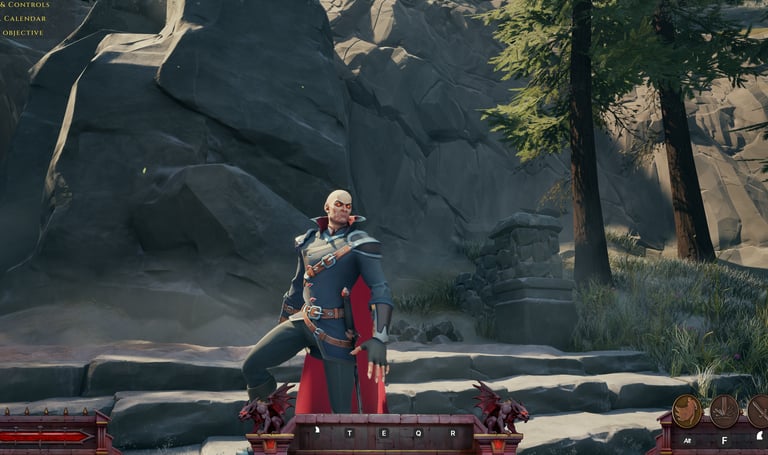
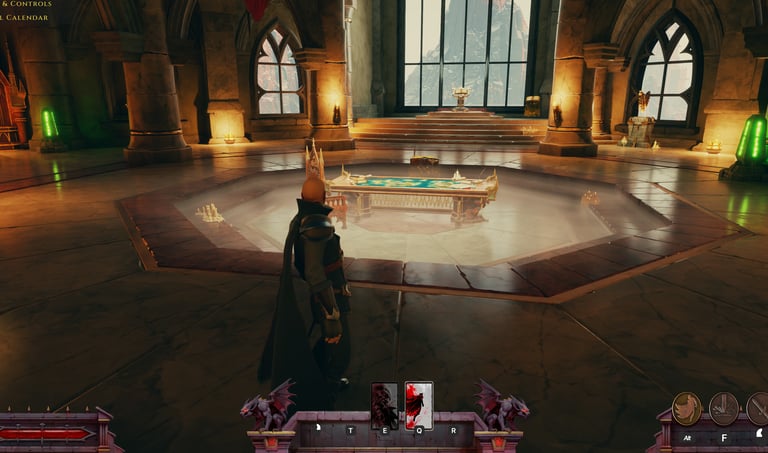
The game commits to its gothic horror identity, creating a world that feels bleak and unsettling. The open-world structure gives players freedom to wander and uncover different areas at their own pace, and visually the world does a solid job of encouraging curiosity. The eerie architecture and supernatural aesthetic helps to set this RPG apart from others. While the graphics themselves are somewhat limited in this early access state, the overall artistic direction is easy to see and with the final refinements will strengthen the overall environment. However, the exploration itself currently lacks a strong sense of motivation. While the world is interesting to look at, there are too many moments when it feels like exploring from the main questline didn't feel particularly meaningful. The discovery system feels somewhat thin at this stage. With that said, again, the foundation is there. The world itself has the possibility to be the game's biggest strength.
Cards That Carry the Combat
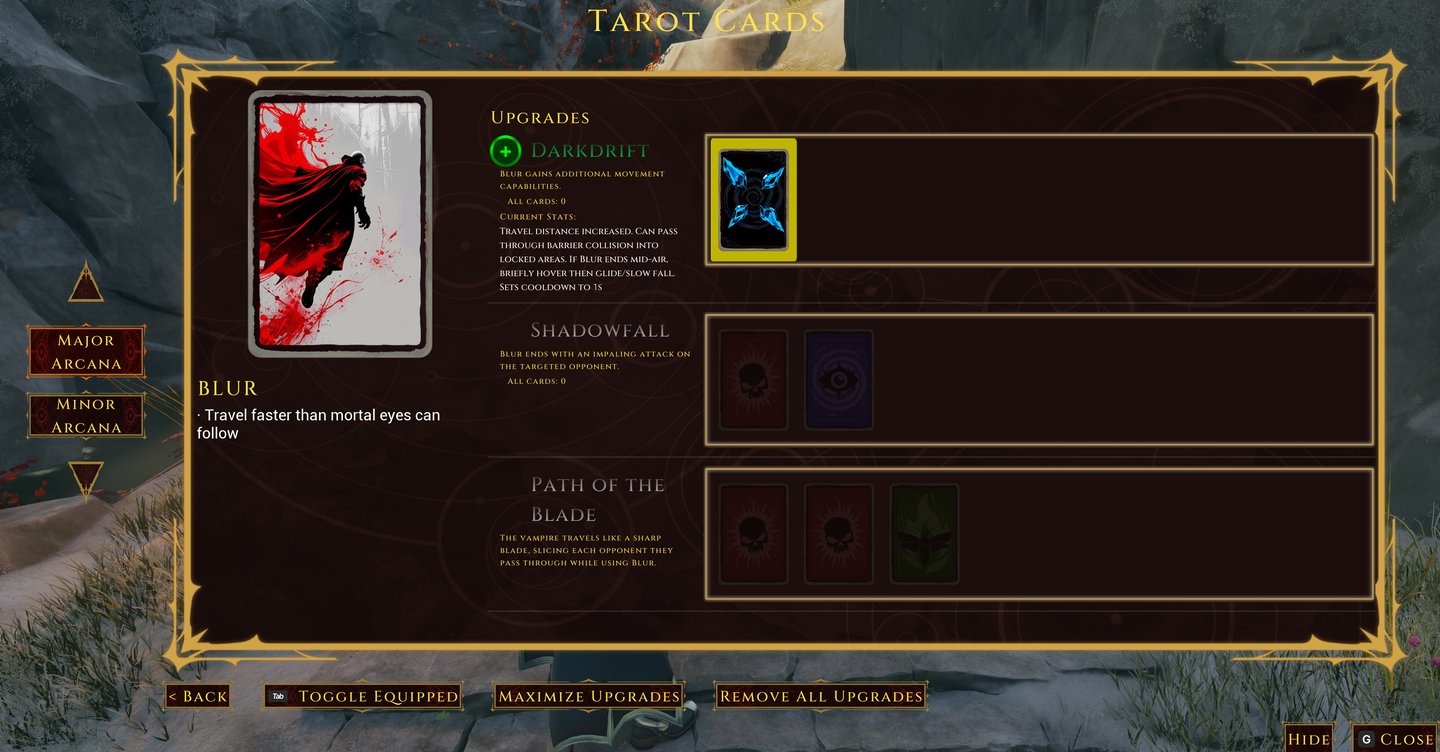
The gameplay in Deadhaus Sonata blends action combat with a tarot-inspired card system that gives encounters the option to be more strategic than typical hack and slash style RPGs. Movement generally feels fluid. The combat has some fluidity issues with not only using your weapon, but also with using the tarot cards themselves. It felt stiff when there were more enemies, but when there are 2-3 enemies the response from the cards is much smoother. In certain times, it feels like the combat is overwhelming the game. The only concern would be that the card system is so engaging it can make the melee combat seem weak in comparison. The gameplay stands out most with the cards and deck-building mechanics. Different cards provide different functions and abilities. You can have a small fountain and inflict poison damage or turn into a little blood tornado to wrap up your enemies. The cards in themselves bolster the gothic atmosphere, which keeps the player engaged in the world when they are building their deck.
Early Access Roughness
There are some noticeable early access issues tied to movement and gameplay. My game froze twice, although I was lucky that the game did not crash, it just restarted me in a new location a few feet away from where the game froze. During exploration, I randomly became stuck on ledges or other parts of the environment after jumping to get a card of trying to escape an enemy. The moments were not frequent enough for me to have to reboot the game or discontinue playing altogether, they were just noticeable interruptions.
Lore for Those Who Want to Dig
Players can uncover a rather large amount of lore entries and collectable pieces of information that help expand on the world, history, and atmosphere. For those who enjoy uncovering the hidden details, there is a strong emphasis on these items. The sheer amount of Chronicles that are already available would lead me to believe the developers are building a pretty large universe. In many ways, the lore system feels made for those who enjoy piecing things together slowly rather than having everything explained to them through cutscenes. For some, this may feel like an overwhelming amount of information that has to be collected and is not just told to you outright. It is possible that for those who focus more on action gameplay, that these things might feel more optional over meaningful.
The Verdict
Overall Deadhaus Sonata shows a great deal of potential even despite the early access limitations. The game already succeeds in its gothic foundation and establishing a uniqueness in the tarot-card style mechanics. While some areas need refinement, my overall time spent with the game felt promising enough for me to play again as development continues. What stands out most is that the game doesn't feel as though it is trying to imitate other RPGs. It feels more of a passion project with solid high quality mechanics at the base. For now, this feels like a game with strong goals that needs a bit more time to grow. Gamers interested in a gothic RPG may find enough here to enjoy while others may prefer to wait and see how the game evolves moving forward. Either way, this hints at something that could become very compelling.
Life is a Game Magazine was supplied a preview copy of DeadHaus Sonata Early Access for this preview